Temple kings, copper-plate grants and a village that chose its committees by lot, c. 300–1335
The Tamil kingdoms: Pallavas, Cholas, Pandyas, Cheras
300 CE – 1335 CE
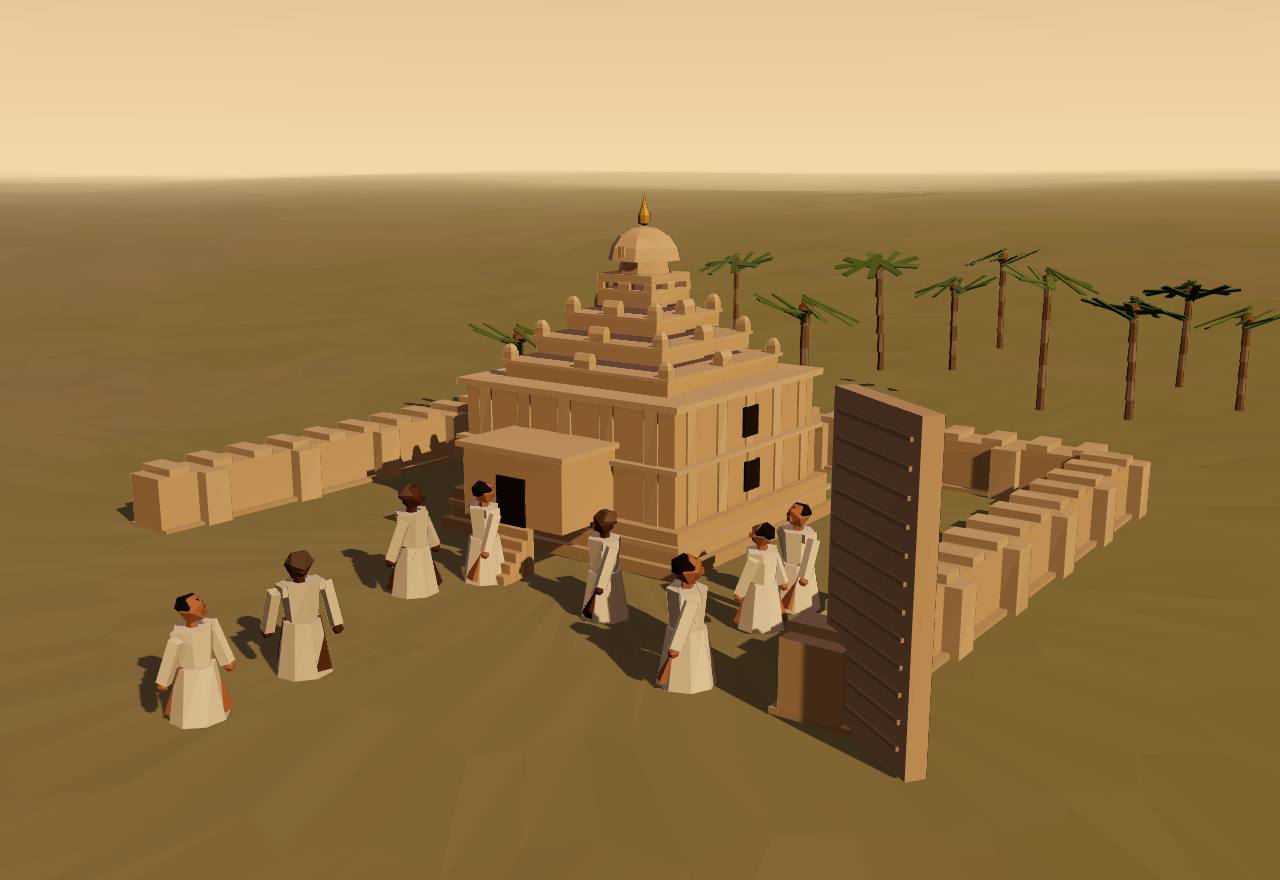
Kanchipuram, eighth century: a Pallava temple court
300 CE – 550 CE
The Kalabhra interval
Between the end of the Sangam age and the Pallava and Pandya restorations, Sastri writes, “A long historical night ensues”: “After the close of the Sangam epoch, from about A.D. 300 to A.D. 600, there is an almost total lack of information regarding occurrences in the Tamil land.” 4 Consensus Texts
The Pandya Velvikudi grant gives one sentence: “Then a Kali king named Kalabhran took possession of the extensive earth driving away numberless great kings (adhirajas)”. Sastri read the plural Kalabhras as “a military tribe rather than a dynasty”, and quoted Venkayya: how they overcame the Pandyas, how long they ruled and how they were driven out “are points on which no information is at present forthcoming”. 5 Consensus Texts
Other evidence is Buddhist and Jaina: “some Buddhist books” name an Accutavikkanta of the Kalabhra line under whom Buddhist monasteries and authors in the Chola country enjoyed much patronage. Sastri thought “possibly Accuta was himself a Buddhist”; the Kalabhras' enemies remembered them as evil kings who “abrogated brahmadeya rights”. 4,10 Debated Texts
The dark age was not silent in Tamil: Sastri notes that the period “marked by the ascendancy of Buddhism, and probably also of Jainism, was characterized also by great literary activity in Tamil”. 4 Debated Texts
The one dated inscription of land relations from the gap, at Pulankurichi in the fifth century, names a king Chendan Kuttran whose army commander bought land from Brahmadeya villages for three temples. Subbarayalu “suggested they could be Kalabhra rulers, although I now believe they must have been Pandya kings”. 11 Debated Texts
Cliopatria draws a “Kalabhra Dynasty” from 353 to 601 and the Late Pallava Empire from 283, so on its map the gap is not empty. With one sentence of inscription and late literature behind it, the Kalabhra polygon is a placeholder for an unknown, not a frontier. 12,5 Debated Survey
550 CE – 850 CE
Pallavas and Pandyas
After the Kalabhra interval two dynasties restored kingship in the Tamil country at almost the same time: the Pallavas at Kanchipuram in the north and the Pandyas at Madurai in the south. For three centuries they fought each other, the Chalukyas of the Deccan and Ceylon, granted land to Brahmins and temples on copper plates, and in the eighth century the first village assemblies appear in their inscriptions.
Terms: The Tamil kingdoms: Pallavas, Cholas, Pandyas, Cheras: Pallavas and Pandyas
Sastri dates the end of the Kalabhra confusion to the last quarter of the sixth century, “by the activities of two monarchs, the Pallava Simhavishnu and the Pandya Kadungon”. Simhavishnu then conquered the country up to the Kaveri. 4,5 Consensus Texts
Most of what is known comes from land grants. Subbarayalu: the main corpus of inscriptions “begins from 600 CE”; the Pallava and Pandya kings of the seventh and eighth centuries left more land-grant inscriptions than before, “either to temples or Brahmans”, some of them bilingual Tamil and Sanskrit copper plates. 11 Consensus Texts
Subbarayalu describes how “the Pallavas started the process of bringing Brahmans from the Andhra area to create Brahmadeyas”: small settlements at first, some of a hundred households by the late ninth century, in the north and in the Kaveri delta. The Cholas carried the policy further. 11 Debated Texts
Sastri traces three kinds of village assembly in Tamil inscriptions from the eighth and ninth centuries: the ur, “which included all classes of people who held the land in the village”, the sabha, “an exclusively brahmin assembly”, and the nagaram, where traders dominated. 4 Consensus Texts
Sastri's general picture of kingship in the period: “Succession to the throne was usually hereditary in the eldest male line”, and “Though the king was in theory an autocrat, there were several modifying factors in practice”: the royal family, hereditary officials, feudatories and corporate bodies. 4 Debated Texts
Both dynasties made their claims in ritual. The Pallava charters name kings who performed the agnishtoma, vajapeya and asvamedha sacrifices (Minakshi, Sastri); from Nandivarman II the copper plates trace the line to Brahma, which Minakshi calls “purely legendary”. The Pandyas performed the hiranyagarbha and tulabhara gifts (Sastri 1929). 13,4,5 Consensus Texts
Cliopatria draws the Late Pallava Empire in ten slices from 283 to 805 and the Pandya Dynasty in two, 592–910 and 911–921. The frontiers between them moved with every war, and an outline drawn for a century is a summary, not a survey. 12 Debated Survey
The Pallavas of KanchiKanchipuram
The Pallavas ruled the northern Tamil plain from Kanchipuram. Their charters trace the line to the third century; from Simhavishnu, about 575, they were a great power, fighting the Chalukyas of Badami for two hundred years and building the first stone temples of the Tamil country.
Terms: The Tamil kingdoms: Pallavas, Cholas, Pandyas, Cheras: Pallavas and Pandyas, The Pallavas of Kanchi
Where the Pallavas came from is argued over. Minakshi rejected both the foreign Pahlava theory and a Tamil origin legend, and placed the start of Pallava rule at Kanchi “sometime in the first half of the third century A.D.” Sastri saw “a dynasty of North Indian origin which moved to the South”, and read Pallava as the Prakrit-Sanskrit rendering of tondai, the name of the land. 13,4 Debated Texts
Narasimhavarman I took the Chalukya capital: his title Vatapikonda and “an inscription engraved on a rock behind the temple of Mallikarjunadeva in Badami during the thirteenth year of his reign” attest it (Sastri). Minakshi dates the destruction of Vatapi to about 643. 4,13 Consensus Texts
The kingdom was divided, Minakshi writes, into kottam, nadu and ur (village); the nadu was “larger than the village and smaller than the Kottam”. Royal orders went to the nadu assembly, the nattar: under Nandivarman II the nattar were told to transfer a village “as a Brahmadeya to a certain Brahman”, and walked and staked its boundaries. 13 Consensus Texts
Village assemblies appear late. “We do not hear of village assemblies earlier than the 8th century A.D.”, Minakshi writes, but “as many as 20 sabhas” are at work under the later Pallavas, in charge of temple endowments, irrigation works and local justice, and village committees exist by the middle of the eighth century. How their members were chosen, “the Pallava inscriptions are silent”. 13 Consensus Texts
When Paramesvaravarman II died in about 731 with no heir in the direct line, a king was chosen. Sastri: “the officials of the capital acting with the ghatika (college of learned brahmins) and the people chose a prince from a collateral branch, Nandivarman II”. Minakshi reads it from the inscribed sculpture panels of the Vaikuntha Perumal temple at Kanchi: “the subjects of the Pallava kingdom chose to elect a king”, who was then crowned under the name Nandivarman. 4,13 Debated Texts
It was an exception and it was fought over. Minakshi herself limits it to “extraordinary conditions”, and says the general Udayacandra had to defeat “all the powerful enemies that rose against the newly elected king”. Sastri records a rival claimant, Citramaya, backed by the Pandyas, whom Udayacandra beheaded; in the Pandya history he cites Dubreuil, who called Nandivarman “the usurper”. 13,4,5 Consensus Texts
The Vaikuntha Perumal inscription names a council of ministers (mantri-mandala) among those who chose Nandivarman, before the feudatories (Minakshi). Sastri is more cautious: “There is no clear proof of the existence of a regularly constituted council of ministers”, though the group of ministers took part in the events before the coronation. 13,4 Debated Texts
Rajasimha (680–720) built the Shore temple at Mamallapuram and the Kailasanatha at Kanchipuram, which his son finished; his queen Rangapataka “interested herself in the construction of the Kailasanatha temple” (Sastri). The Varaha cave at Mamallapuram carries “two fine groups of royal figures representing Simhavishnu and Mahendravarman with their queens”. 4 Consensus Texts Excavation
The Pallavas ended in battle. The Chola Aditya I “pounced upon Aparajita when he was mounted on an elephant and slew him. That was the end of Pallava rule in Tondainad”: 897 in Sastri's 1955 history, about 890 in his 1935 book and in Minakshi. 4,1,13 Debated Texts
Seshat's Late Pallava panel (in_pallava_emp_2, 300–890) codes 6–8 levels of administration (king, ministers, governors, district officials, assemblies, village chiefs, with “more levels might be present”) and 4–5 levels of settlement, from Kanchipuram down. These are the Seshat team's readings of secondary sources, not counts from an inscription. Seshat DB Debated Survey
How power worked King · Heredity · Council
How power worked
- Who rules
- King Consensus
Why?
- How chosen
- Heredity Consensus
Why?
- Limits on power
- Council Debated
Why?
- Scale
- Territorial state Consensus
Why?
- Claim to rule
- Divine mandate Consensus
Why?
- Who has a say
- A narrow elite Consensus
Why?
The first Pandya kingdomMadurai
At Madurai a Pandya line restored itself at the end of the sixth century and for three hundred years fought the Pallavas, the Cheras and Ceylon. Almost everything known comes from its copper-plate grants, which also claim the poets' Sangam as the family's own.
Terms: The Tamil kingdoms: Pallavas, Cholas, Pandyas, Cheras: Pallavas and Pandyas, The first Pandya kingdom
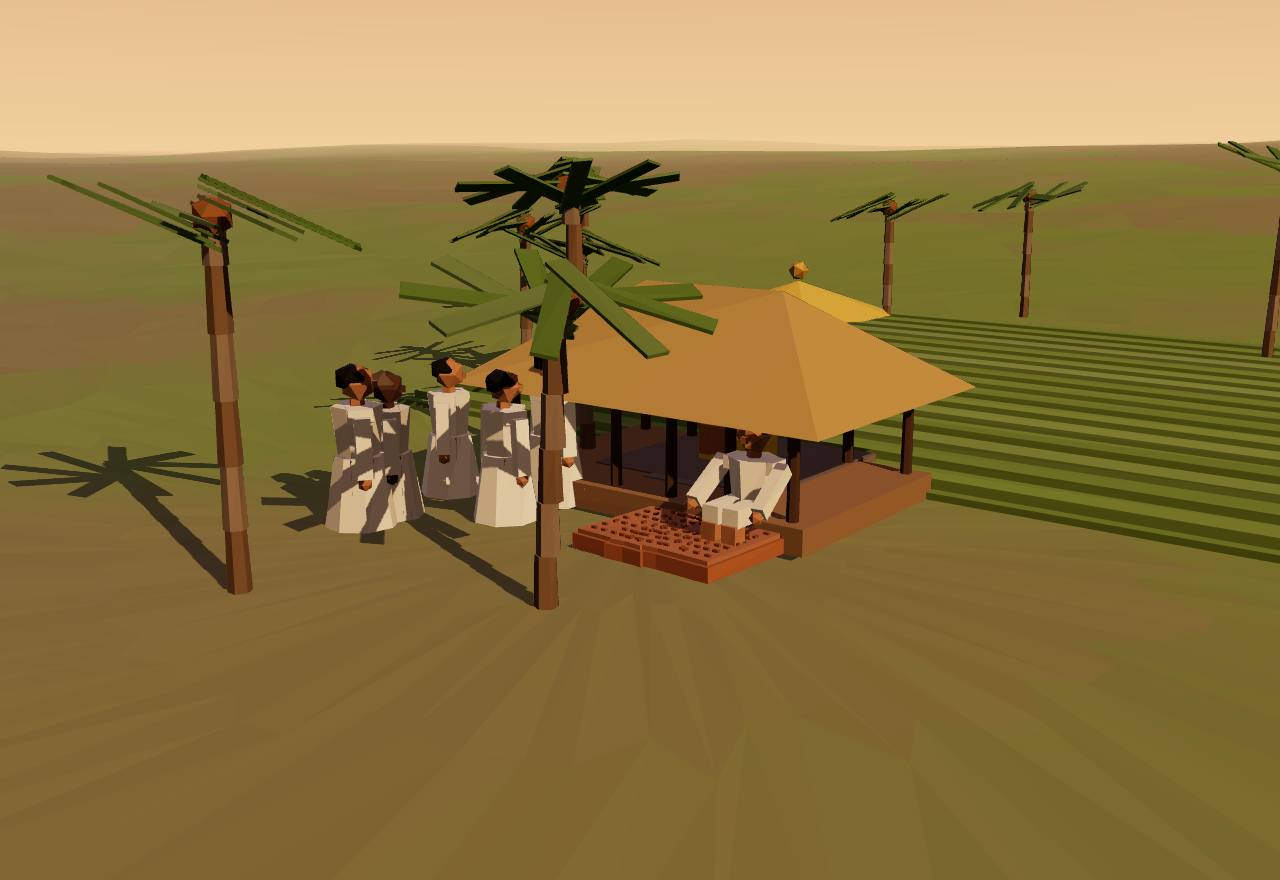
A Pandya grant on copper plates, eighth century
Kadungon (590–620 in Sastri's table) restored the dynasty. The Velvikudi grant says he “abolished by his strength the claim of others to the earth”; Sastri adds that of him and his son “all that we know of them comes from the Tamil portion of the Velvikkudi grant and that is not much”. 5,4 Consensus Texts
The Velvikudi grant is itself a story of a Brahmin land grant lost and restored: given by an early king, enjoyed “for long … before the Kalabhra interregnum, at the end of which came the Pandya restoration under Kadungon”, and confirmed again by Jatila Parantaka Nedunjadaiyan (Sastri). The grant is the main evidence for the restoration. 5 Consensus Texts
Only two inscriptions of the dynasty carry an era date: the Anamalai inscription, in the Kaliyuga era “yielding A.D. 770”, and the Aivarmalai inscription of Varaguna, “Saka 792, i.e. 870 A.D.”, his eighth regnal year (Sastri 1929). Every other Pandya date of the period is worked out from these and from regnal years. 5 Consensus Texts Dating
Sastri knew “very little of the details of government”. The nadu linked the kingdom to the village (gramam), which “as a rule … was well able to take care of its affairs”. Grants to Brahmins had the legal status of brahmadeyam, were “invariably engraved on copper plates”, and a high officer drew up the royal order. 5 Consensus Texts
At Manur, near Tirunelveli, a sabha set down rules for its own membership in about 800, “well over a century” before Uttaramerur. Membership went with property and learning “very much as in the well-known inscriptions from Uttiramallur”; but “there seems to have been no election to the assembly”, and “we learn nothing however as to the method of appointing the committee” (Sastri 1929). 5 Consensus Texts
The kings claimed sacrifice and the past. Arikesari “performed several times the hiranyagarbha and the tulabhara”, and Rajasimha I “many Gosahasras, Hiranyagarbhas and Tulabharas”. The larger Sinnamanur plates credit early, unnamed Pandyas with the translation of the Bharatam and “the establishment of the Sangam”, deeds that Sastri says “belong to an age altogether removed in the past”. 5 Consensus Texts
How Srimara Srivallabha's reign ended in 862 depends on which source one trusts, and Sastri changed his mind. In 1929 he followed the Sinnamanur plates and rejected the Ceylon chronicle's story of a Sinhalese counter-invasion: “one of them must be rejected as untrustworthy”. In 1955 he followed the chronicle: “The capital was sacked, Srimara died of his wounds”, and the Sinhalese commander enthroned his son. 5,4 Debated Texts
The Pandya advance north was stopped at Sripurambiyam near Kumbakonam, about 880: the Pallava Aparajita, with the Ganga Prithvipati I, who died there, and the Chola Aditya I, defeated Varaguna II. Sastri dates the battle from the Ganga king's last known date, 879. 5,4 Consensus Texts Dating
Seshat's panel for this Pandya dynasty (in_pandya_emp_2, 590–915) codes 3–5 levels of settlement with Madurai at the top and 4–6 levels of military command, from a defence minister and generals down; it records a formal legal code as present and professional lawyers as inferred absent. Seshat DB Debated Survey
The Chola Parantaka I called himself Maduraikonda, captor of Madura, from his third year, about 910. The last Pandya of the line, Rajasimha II, “had to flee to Ceylon”, then to Kerala, his mother's home, leaving his regalia in Ceylon: “Such was the end of the First Empire of the Pandyas”, about 920 (Sastri 1929). 5,4,2 Consensus Texts
How power worked King · Heredity · Custom and kin
How power worked
- Who rules
- King Consensus
Why?
- How chosen
- Heredity Consensus
Why?
- Limits on power
- Custom and kin Debated
Why?
- Scale
- Territorial state Consensus
Why?
- Claim to rule
- Divine mandate Consensus
Why?
- Who has a say
- A narrow elite Consensus
Why?
850 CE – 1070 CE
The Chola imperium
In two centuries a Pallava feudatory family at Tanjore became the greatest power in the south: Parantaka I took Madurai, Rajaraja I and Rajendra I took Ceylon, the Maldives and the Deccan plateau, raided the Ganges and, in 1025, the ports of Srivijaya across the Bay of Bengal. How much of this was a state, and how much a ritual overlordship over self-governing localities, is the long argument of South Indian history.
Terms: The Tamil kingdoms: Pallavas, Cholas, Pandyas, Cheras: The Chola imperium
- vaḷanāḍuவளநாடு A group of nadus, under the Cholas a large division; with mandalam the largest (Sastri; the Tamil edition prints both words). 4,10
- maṇḍalamமண்டலம் A province, the largest division: “about eight or nine of these provinces including Ceylon, at the end of Rajaraja's reign” (Sastri 1937). 14,10
- kūṟṟamகூற்றம் A division below the valanadu; a large township formed one by itself, a taniyur (Sastri; Tamil edition). 4,10
“The capture of Tanjore by Vijayalaya, some time before 850 … were the first steps in the rise of the Chola power. He was perhaps a Pallava feudatory at the time” (Sastri 1955). His son Aditya I ended the Pallavas, and Parantaka I (from 907) took Madurai. 4,1 Consensus Texts
Parantaka's empire broke at Takkolam in 949, when the Rashtrakuta Krishna III and the Ganga Butuga defeated the Cholas and Butuga killed the heir Rajaditya “with a well-aimed arrow when he was on elephant-back”. Sastri 1935: “The Cola empire was no more; it had to be built up all over again.” 4,1 Consensus Texts
Rajaraja I (985–1014) overran northern Ceylon, where “Anuradhapura was destroyed, and Polonnaruva became the capital of a Chola province”, and annexed the Maldives, the “old islands of the sea numbering 12,000”. Rajendra I completed the conquest of Ceylon and took the Ganges expedition, which Sastri calls “a hurried raid”, meant as “a demonstration of its strength to the rulers of Northern India”. 4,1 Consensus Texts
In 1025 Rajendra's Tanjore inscription claims he “despatched many ships in the midst of the rolling sea”, caught the king of Kadaram “together with the elephants in his glorious army” and took the gates of Srivijaya and some twelve other port cities in Sumatra, the Malay peninsula and the Nicobars. It is the only source: “Chinese sources are completely silent about Rajendra's naval raid” (Kulke). 15,16,1 Consensus Texts
Rajaraja's officials measured the land. A general got the surname Ulagalandan, “one who measured the world”, after “the revenue survey which began in the sixteenth year (A.D. 1001)” (Sastri 1935). Subbarayalu: the inscriptions grade land into 14 or 20 grades, converted to one standard grade for tax; “he seems to have perfected the process”. 1,11 Consensus Texts
Paddy, not coin, carried the economy: “Paddy was the standard currency of revenue collection and payment. Gold was used as bullion, not as coins”, and the standard land tax was about 100 kalam of paddy a veli (Subbarayalu). Many coins called Rajaraja's “are actually later coins that imitate early coins”. 11 Consensus Texts
How big was the royal army? Stein: “local militias … with only a small standing force under royal control (velaikkārar)”. Subbarayalu: regiments called valangai velaikkara padai were “in the main army”, and land measurement, taxation and “the evidence of a standing army” make the state a centralised one. 17,11 Debated Texts
The kingdom's divisions, in Sastri's description: villages grouped in a nadu or kurram, nadus in a valanadu, valanadus in a mandalam, “the province proper”. The Tanjore inscriptions name them in that order, e.g. the assembly of a village “in Mangala-nadu, (a subdivision) of Arumorideva-valanadu” (Hultzsch, No. 69). Karashima and Subbarayalu add that from the eleventh century a “periyanadu”, a supra-nadu assembly, appears. 14,18,19 Consensus Texts
The Cholas named their heirs while they lived. Rajendra I “was declared heir apparent and formally associated with his father” in 1012; with his own heir, “for over twenty-five years … father and son … ruled together”. Sastri 1955: “the choice of the yuvaraja during the lifetime of the reigning monarch diminished the chances of dispute.” It did not stop Uttama Chola from having the heir Aditya II murdered in 969. 1,4 Consensus Texts
Veluthat sees the Chola state grow from chiefdom to kingdom in the Kaveri valley, and “graduate to the level of an empire; but since the parts too were coming of age, this empire fell apart in about a century”. 20 Debated Texts
Cliopatria draws the Chola Empire in 27 slices from 850 to 1259. It is a reconstruction from the conquests the inscriptions claim, not from boundary records. 12 Consensus Survey
Seshat has no usable panel for the imperial Cholas: its record in_chola_emp holds four entries (a duration, a name, a language and one variable), so this page charts no Seshat values for them. The Pallava and Pandya panels are charted in “In numbers”. 21 Consensus Survey
The CholasThanjavur (Tanjore)
The Cholas took Tanjore in about 850 and in two centuries made it the capital of an empire from the Tungabhadra to Ceylon. Their inscriptions, cut on temple walls by the thousand, show both a court that measured land and taxed it and villages that governed themselves: at Uttaramerur, the village assembly chose its committees by drawing palm-leaf tickets from a pot.
Terms: The Tamil kingdoms: Pallavas, Cholas, Pandyas, Cheras: The Chola imperium, The Cholas
- sabhāசபை The assembly of a Brahmin village (brahmadeya); Sastri's Tamil translation prints it in “உத்திரமேரூர் சபை”, the sabha of Uttaramerur. 4,10
- vāriyamவாரியம் A committee of the assembly; Venkayya: “apparently the same as vara or vari, which Professor Kielhorn has translated by ‘committee’”. 2,10
- kudumbu A ward. Venkayya: the dictionary gives “a bunch or cluster of fruits”; he translated it ‘ward’ tentatively. Uttaramerur had thirty, made up out of twelve streets (ceri). 2,3
- kudavolai “Pot-ticket”: a palm-leaf ticket with a name on it, put in a pot and drawn (Venkayya's kudav-olai). Sastri: “kudavolai is thus closely analogous to vyavasthai-olai”, the deed of settlement. 2,3
- madhyastha The arbitrator: he received each drawn ticket on his open palm and read it out, and in 921 wrote the settlement down “to the dictation of the members”. 2,3
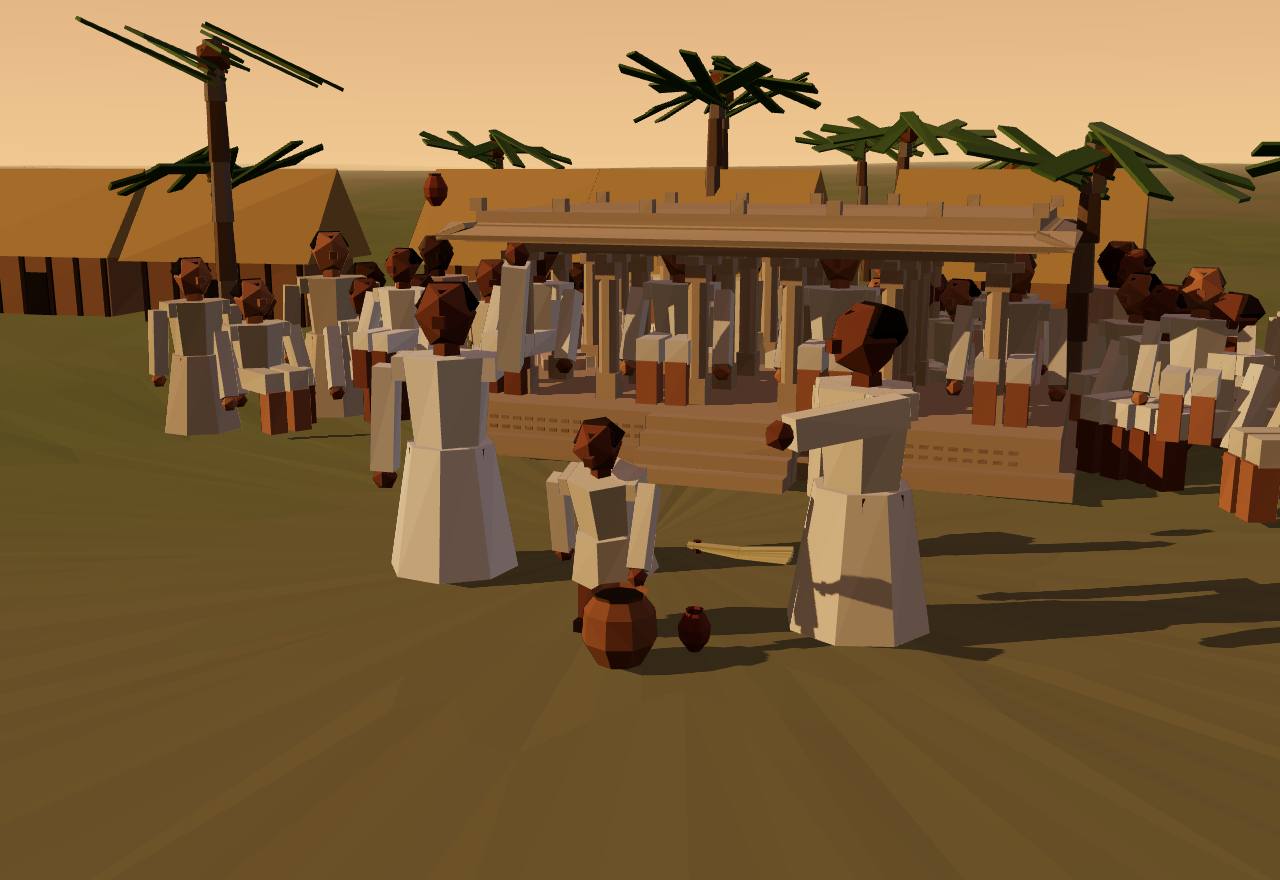
Uttaramerur, 921: drawing the pot-tickets
Uttaramerur, about fifty miles south-west of Madras, was Uttarameru-caturvedimangalam: a Brahmin settlement (Venkayya). Its inscriptions run from the late eighth century to the thirteenth, on the walls of seven temples (Sastri). The two that concern us are cut close together on the west wall of the Vaikuntha Perumal temple, in Tamil and Grantha letters about an inch high. 2,3 Consensus Texts Excavation
Both are dated in the reign of Parantaka I, “who conquered Madirai”: inscription A in his twelfth year and B on the sixteenth day of his fourteenth, 919 and 921 in Sastri's dating. Each says the assembly (sabha) made a settlement for choosing committees “once annually from this year forward”, with a royal officer sitting with it by the king's letter. 2,3 Consensus Texts Dating
Who made the rules, king or village? Venkayya thought the king sent officers to reform a corrupted village and that the second settlement was “actually drawn up by the king's officer”. Sastri found that view “utterly groundless”: the records say “we, the members of the assembly … made (this) settlement”, and nothing shows maladministration before the reform. 2,3 Debated Texts
Who could be named (921): a man who owned “more than a quarter (veli) of tax-paying land”, lived “in a house built on his own site”, was aged “below 70 and above 35”, and knew the Mantrabrahmana well enough to teach it; a man with one-eighth of a veli was enough if he had learnt a Veda and one of the four bhasyas. He had to be conversant with business, virtuous, honest in his earnings, and not have served on any committee for three years. 2,3 Consensus Texts
Who could not (921): anyone who had served and “not submitted his accounts”, and twelve listed kinds of his relations, from his mother's sisters' sons to his father and his son; those guilty of incest or the first four great sins and their relations; outcasts until expiation; the violent; thieves; those purified by expiation for certain sins, “to the end of their lives”; and anyone who had ridden on an ass or committed forgery. 2,3 Consensus Texts
The draw (921): each of the thirty wards wrote its names on tickets, bundled them under a covering ticket, and the bundles went into a pot. Before a full meeting, “young and old”, an elder priest held the pot up “so as to be seen by all people”; a young boy drew one ward's bundle, it was shaken in another pot, and he drew one ticket. The arbitrator took it “on the palm of his hand with the five fingers open” and read it out, and every priest read it too. So, one man for each of the thirty wards. 2,3 Consensus Texts
From the thirty, men who had served on the garden and tank committees and men advanced in learning or age formed the annual committee; twelve more formed the garden committee and the last six the tank committee, all for “full three hundred and sixty days”. A second draw of thirty gave twelve for the gold and pañcavāra committees, six each. Sastri counts 42 men on five committees from thirty wards, and the annual committee's twelve is his inference: the inscription gives no number. 2,3 Consensus Texts
The first settlement (919) differed: ages thirty to sixty; any man “known to be learned in the Vedas and sastras”; no close relation of anyone who had served; tickets gathered by street, one man drawn per street for each committee. Sastri calls it “doubtless a badly drafted record”, mixing up the twelve streets and the thirty wards, and sees the 921 revision as the assembly's own repair. 2,3 Debated Texts
The rules were built to rotate office. The three-year bar was, Sastri writes, “to make offices go round”; the wards that had sent men to the gold and pañcavāra committees were left out of the next year's draw, so only eighteen of thirty wards were in it. Venkayya read the same rules as a purge of corrupt committee men; Sastri found “a natural desire to afford equal opportunities of service to all eligible men”. 3,2 Debated Texts
The lot was used twice in each draw, “to decide the order in which the kudumbus are taken up … as well as to choose the member for the year” (Sastri). Venkayya called it “one of casting lots, which was followed by all primitive communities”. Members found guilty of an offence could be removed at once, a right of recall Sastri notes was “unknown to ‘A’”. 3,2 Consensus Texts
The lot was not only for the great committees. In 922 the same sabha set the procedure for testing gold: nine men, “neither too young nor too old”, were to be chosen from the tax-paying residents “by the method of pot-tickets”, four, two and three from three named parts of the village (Sastri's summary of the record). 3 Consensus Texts
Uttaramerur did not invent village committees. Venkayya cites an “annual committee” under the Ganga-Pallava Kampavarman and committees in a Pandya inscription of the early ninth century; Minakshi finds an annual tank committee at Uttaramerur itself in the Pallava period. Venkayya also counted “not less than 150 villages which had assemblies” in Rajaraja's Tanjore inscriptions. 2,13 Consensus Texts
Rajaraja I's temple at Tanjore, the Rajarajesvara, is “the largest and the tallest of all Indian temples” (Sastri 1955): a vimana nearly 200 feet high on a square base of 82 feet, rising in thirteen tiers, in a walled court of 500 by 250 feet. Rajaraja dedicated the copper pot for its finial on the 275th day of his 25th year (Sastri 1935); the temple was completed in 1009 or 1010. 4,1 Consensus Texts Excavation
The temple drew on the whole kingdom. An order of Rajaraja set the brahmadeyas of the Chola, Pandya and Tondai countries to supply temple treasurers, Brahmacharins and accountants “as long as the moon and the sun endure”, village by village and nadu by valanadu (Hultzsch, No. 69). Another assigned land to “four hundred women” brought in from other temples, one share of a veli each, hereditary (No. 66). 18 Consensus Texts
Veluthat: arriving in South India almost together, temple and state “derived support from each other. While the state patronised the temple, the latter lent considerable legitimacy to the former”, and the temple came to take on administrative, judicial and fiscal roles. Sastri saw the Tanjore temple as a symbol that rose above other temples “as the Cola empire itself did above the earlier kingdoms of the south”. 22,14 Consensus Texts
Rajaraja I was “the first Tamil king who conceived the idea of formulating in set phrases an official record of the chief events of his reign” as a preface to his stone inscriptions, and almost every successor followed him (Sastri). The preface grew with each conquest and was kept up to date. 1,4 Consensus Texts
How power worked King · Heredity · Custom and kin
How power worked
- Who rules
- King Consensus
Why?
- How chosen
- Heredity Consensus
Why?
- Limits on power
- Custom and kin Debated
Why?
- Scale
- Empire Debated
Why?
- Claim to rule
- Divine mandate Consensus
Why?
- Who has a say
- A narrow elite Consensus
Why?
Draw the committees of Uttaramerur, 919 and 921
Model, not evidence: the rules and committee sizes are the inscriptions'; the villagers, the ward-to-street map and the karai draw are not
In 921 the assembly of Uttaramerur drew one name from each of its thirty wards, then divided the thirty among its committees; a second draw filled two more. Below, the inscriptions' rules run on an invented village of 900 men (30 in each ward). The rules and committee sizes are the inscriptions'; the men, the street each ward belongs to, and how the garden and tank committees were picked (“by showing the karai”, a method nobody has explained) are the model's.
- 900 men in the thirty wards (invented)
- 1. Lot 30 drawn: in each ward the eligible names go on palm-leaf tickets; a boy draws a ward's bundle from the pot, then one ticket from it 2,3
- 2. Lot Of the thirty, 12 go to the annual committee by service, learning and age; the other 18 form the garden (12) and tank (6) committees “by showing the karai” (method unknown: drawn here by lot) 2,3
921: 136 of 900 men could be named. Every ward had at least one.
Annual committee 12/12
- ward 30, aged 36
- ward 5, aged 63
- ward 17, aged 48
- ward 15, aged 47
- ward 4, aged 67
- ward 10, aged 64
- ward 7, aged 64
- ward 16, aged 61
- ward 21, aged 60
- ward 26, aged 58
- ward 3, aged 56
- ward 25, aged 55
Garden committee 12/12
- ward 19, aged 45
- ward 18, aged 60
- ward 1, aged 47
- ward 20, aged 46
- ward 27, aged 61
- ward 6, aged 57
- ward 29, aged 49
- ward 12, aged 46
- ward 2, aged 37
- ward 13, aged 54
- ward 8, aged 55
- ward 28, aged 41
Tank committee 6/6
- ward 24, aged 43
- ward 22, aged 42
- ward 14, aged 51
- ward 9, aged 36
- ward 11, aged 48
- ward 23, aged 39
Gold committee 6/6
- ward 16, aged 40
- ward 10, aged 52
- ward 5, aged 57
- ward 20, aged 46
- ward 21, aged 52
- ward 25, aged 55
Pañcavāra committee 6/6
- ward 17, aged 48
- ward 9, aged 36
- ward 6, aged 38
- ward 11, aged 46
- ward 7, aged 40
- ward 14, aged 51
The rules, 919 and 921
| Rule | 919 | 921 | Where |
|---|---|---|---|
| Owns more than a quarter (veli) of tax-paying land; in 921, one-eighth is enough for a man who has learnt one Veda and one of the four bhāṣyas | yes | yes | A ll. 3–6; B ll. 2–4 (asi1908 pp. 138, 142; sastri1932 pp. 169, 171) 2,3 |
| Lives in a house built on his own site | yes | yes | A l. 4; B l. 3 (asi1908 pp. 138, 142) 2,3 |
| Below sixty and above thirty (919); below seventy and above thirty-five (921) | yes | yes | A l. 4; B l. 3 (asi1908 pp. 138, 142; sastri1932 p. 149) 2,3 |
| Known to be learned in the Vedas and śāstras (919); knows the Mantrabrāhmaṇa and teaches it, or a Veda and a bhāṣya (921) | yes | yes | A ll. 4–5; B ll. 3–4 (asi1908 pp. 138, 142; sastri1932 pp. 150–151) 2,3 |
| Conversant with business, and (921) virtuous | yes | yes | A l. 5; B l. 4 (asi1908 pp. 138, 142) 2,3 |
| Honest earnings and a pure mind | yes | yes | A l. 5; B l. 4 (asi1908 pp. 138, 143; sastri1932 p. 135) 2,3 |
| Has not served on any committee “on this side of three years” | yes | yes | A ll. 5–6; B l. 4 (asi1908 pp. 138, 143; sastri1932 pp. 136–139, 151) 2,3 |
| Not a close relation of the great men who have served on the committees and retired | yes | — | A ll. 5–6 (asi1908 p. 138; sastri1932 pp. 136–139, 152) 2,3 |
| Has served and not shown his accounts, or is one of his twelve listed relations (mother's sisters' sons … his father, his son) | — | yes | B ll. 4–6 (asi1908 p. 143; sastri1932 pp. 152, 172) 2,3 |
| Incest or the first four of the five great sins recorded against him (and his relations) | — | yes | B l. 6 (asi1908 p. 143; sastri1932 p. 172) 2,3 |
| Outcast by association with sinners, until he performs the expiation | — | yes | B ll. 6–7 (asi1908 p. 143) 2,3 |
| Foolhardy (Venkayya) or violent (Sastri) | — | yes | B l. 7 (asi1908 p. 143; sastri1932 p. 172) 2,3 |
| Has stolen the property of others | — | yes | B l. 7 (asi1908 p. 143) 2,3 |
| Purified by expiation for forbidden food, for sins, for being a village pest or for incest: barred “to the end of his life” | — | yes | B ll. 7–9 (asi1908 pp. 143–144; sastri1932 pp. 152–153) 2,3 |
| Has ridden on an ass, or committed forgery | — | yes | B l. 15 (asi1908 p. 145; sastri1932 p. 175) 2,3 |
Could your name go on a ticket?
919: his name may go on a ticket.
921: his name may go on a ticket.
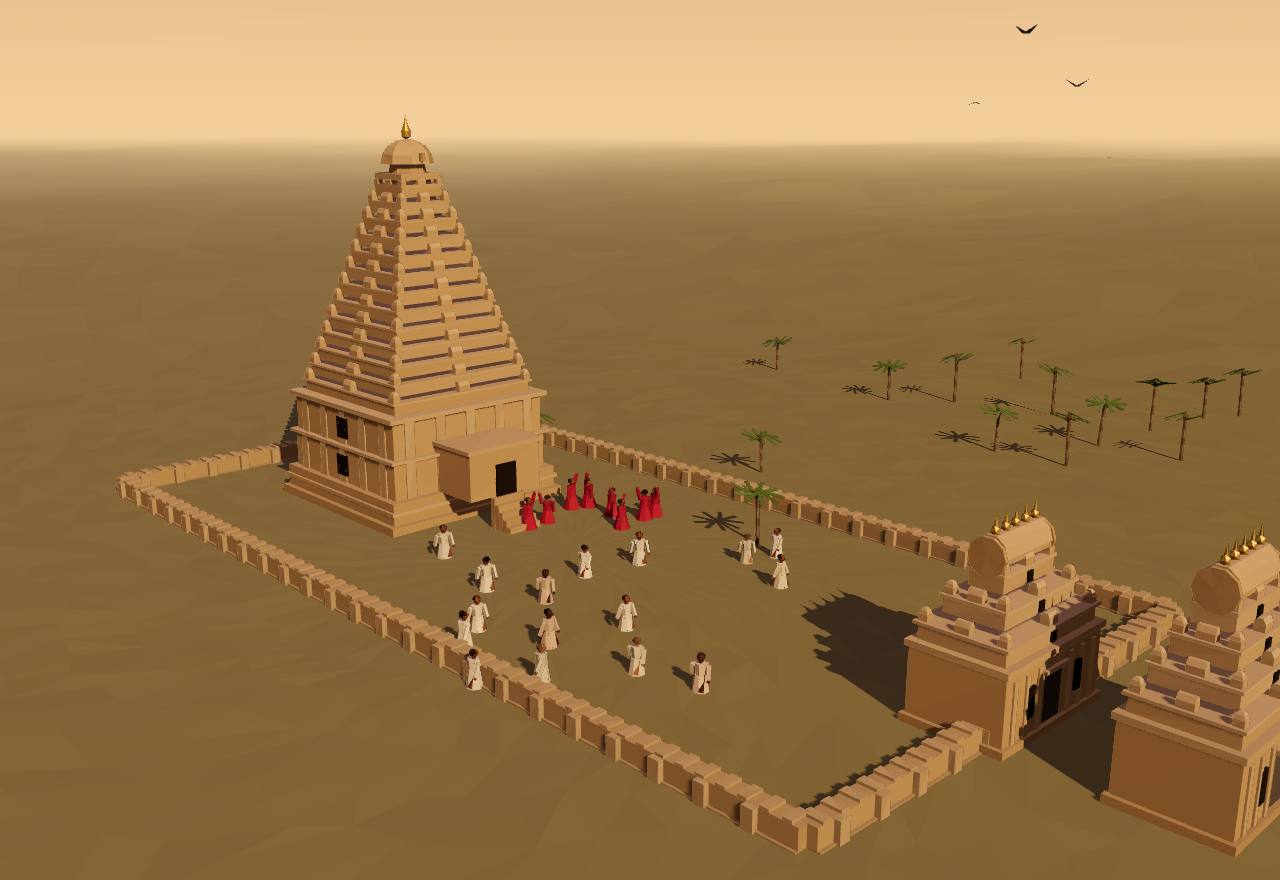
The Rajarajesvara temple, Tanjore, c. 1010
The Chera Perumals of MahodayapuramKodungallur (Mahodayapuram)
On the Kerala coast a line of kings ruled from Mahodayapuram, by today's Kodungallur, from about the ninth century to the early twelfth. They are the least known of the four: the one modern study of them cannot be read here, so this case rests on one translated grant, Sastri's histories and what the Cholas said about them.
Terms: The Tamil kingdoms: Pallavas, Cholas, Pandyas, Cheras: The Chola imperium, The Chera Perumals of Mahodayapuram
- Perumāḷபெருமாள் The title the Kerala tradition gives its kings; Sastri's Tamil edition reports the story that kings brought in from neighbouring lands took it, and calls such stories fabrications. 10
- Añjuvaṇṇam Granted to Joseph Rabban by Bhaskara Ravivarman; “‘the five castes’”, perhaps a quarter of Cranganore (Hultzsch). Kulke's volume describes the Anjuvannam as a guild of West Asian traders. 8,15
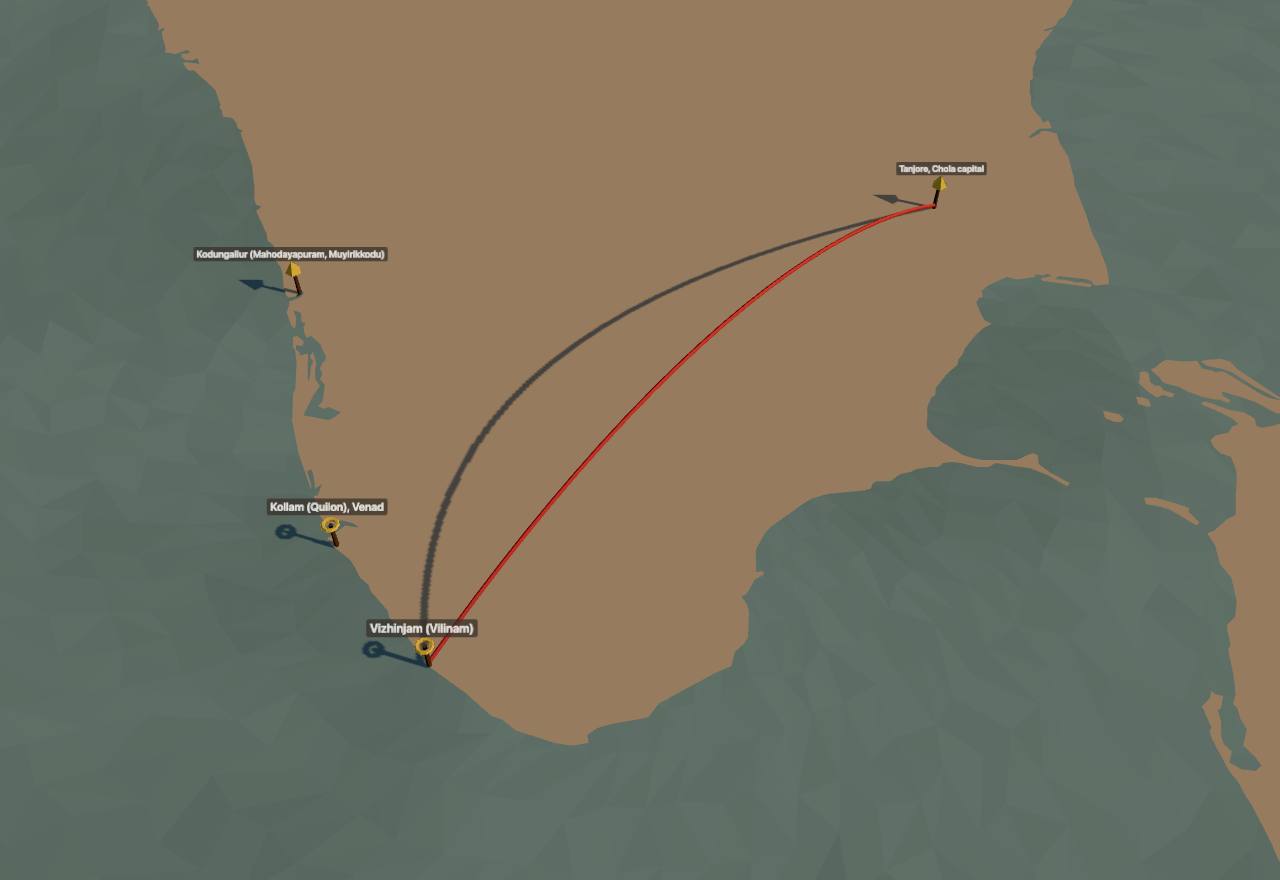
The Perumal kingdom on the Kerala coast: places, not borders
Places, not borders: 4 cited sites and 1 cited link; Cliopatria draws no territory here. Kodungallur (Mahodayapuram, Muyirikkodu) · Kollam (Quilon), Venad · Vizhinjam (Vilinam) · Tanjore, Chola capital 8,25,4,1
The best-read record of the Perumals is a copper-plate grant kept by the Jews of Cochin. “Bhaskara Ravivarman … wielding the sceptre and ruling over many hundred-thousands of places”, staying at Muyirikkodu, gave Issuppu Irappan (Joseph Rabban) Anjuvannam “together with the seventy-two proprietary rights”: tolls, a lamp by day, a palanquin, a parasol, a drum, a trumpet, an arch, “as long as the world and the moon shall exist” (Hultzsch's translation). 8 Consensus Texts
The grant ends with its witnesses: “Thus do I know”, say the chiefs of five districts (nadu), of Venadu, Venapalinadu, Eralanadu, Valluvanadu and Nedumpuraiyurnadu, then the sub-commander of the forces; the under-secretary wrote it. The king's act was attested by the heads of the districts of his realm (Hultzsch). 8 Consensus Texts
The grant is dated only “in the thirty-sixth year after the second year”, which Hultzsch read as the 36th year of the king's reign after the second year of his time as heir. It gives no era, so the reign has to be placed by script and by other records: an example of why Perumal dates are uncertain. 8 Consensus Texts Dating
Muyirikkodu, where the grant was made, the Hebrew translation kept by the Cochin Jews identifies with Kodungallur (Cranganore), “where the Jewish colonists resided” until the Portuguese drove them to Cochin. The language is everyday Tamil, Hultzsch notes, but already “beginning to develop into Malayalam”. 8 Consensus Texts
To the Cholas the Cheras were allies, then targets. Aditya I “was on friendly terms with the contemporary Chera ruler Sthanuravi, whose daughter was married to his son Parantaka” (Sastri 1955); Venkayya also notes Parantaka's marriage to the daughter of the Kerala king. Rajaraja I “conquered the haughty Kerala kings by attacking Kandalur and Vilinam”, a title his inscriptions give from his fourth year. 4,2,1 Consensus Texts
What happened at Kandalur is read from one phrase, Kandalur-salaik-kalamarutta. Sastri, weighing the readings offered, thought “no other meaning seems more likely than the one usually adopted for the whole phrase viz., ‘who destroyed the fleet in the roadstead of Kandalur’”. It is a reading of one phrase, not a description of a battle. 1 Debated Texts
Kings of Kerala appear as poets and saints. Sastri places Kulasekhara, “one of the later alvars, and a ruler of Kerala”, probably in the ninth century, and “a second Kulasekhara from Kerala (935-55)” who wrote two dramas; the Saiva saint Sundara's friend was “the contemporary Chera ruler, Cheraman Perumal”. 4 Debated Texts
The Kerala tradition is late. Sastri's Tamil edition reports the Keralolpatti and Kerala Mahatmyam story that kings had to be brought in from neighbouring lands to rule Kerala and took the title Perumal, and calls such stories made up; in English he calls the Keralolpatti “overrated and … in fact of very little value”, and the conversion of the last Perumal to Islam “a doubtful legend”. 10,4 Consensus Texts
How power worked King · Council · Territorial state · 2 unknown
How power worked
- Who rules
- King Debated
Why?
- How chosen
- Unknown
Why?
No readable source says how a Perumal came to the throne; the Kerala tradition that kings were brought in from outside is, in Sastri's words, of very little value.
- Limits on power
- Council Speculative
Why?
- Scale
- Territorial state Debated
Why?
- Claim to rule
- Unknown
Why?
The one grant read gives the king titles (“King of Kings”) but says nothing about where his right to rule came from; the poems name kings, not claims.
- Who has a say
- A narrow elite Debated
Why?
The Pandyas under Chola overlordshipMadurai
After Parantaka took Madurai the Pandya kingdom spent three centuries inside or against the Chola empire: in revolt, ruled by Chola princes, or left to its own kings under a loose suzerainty.
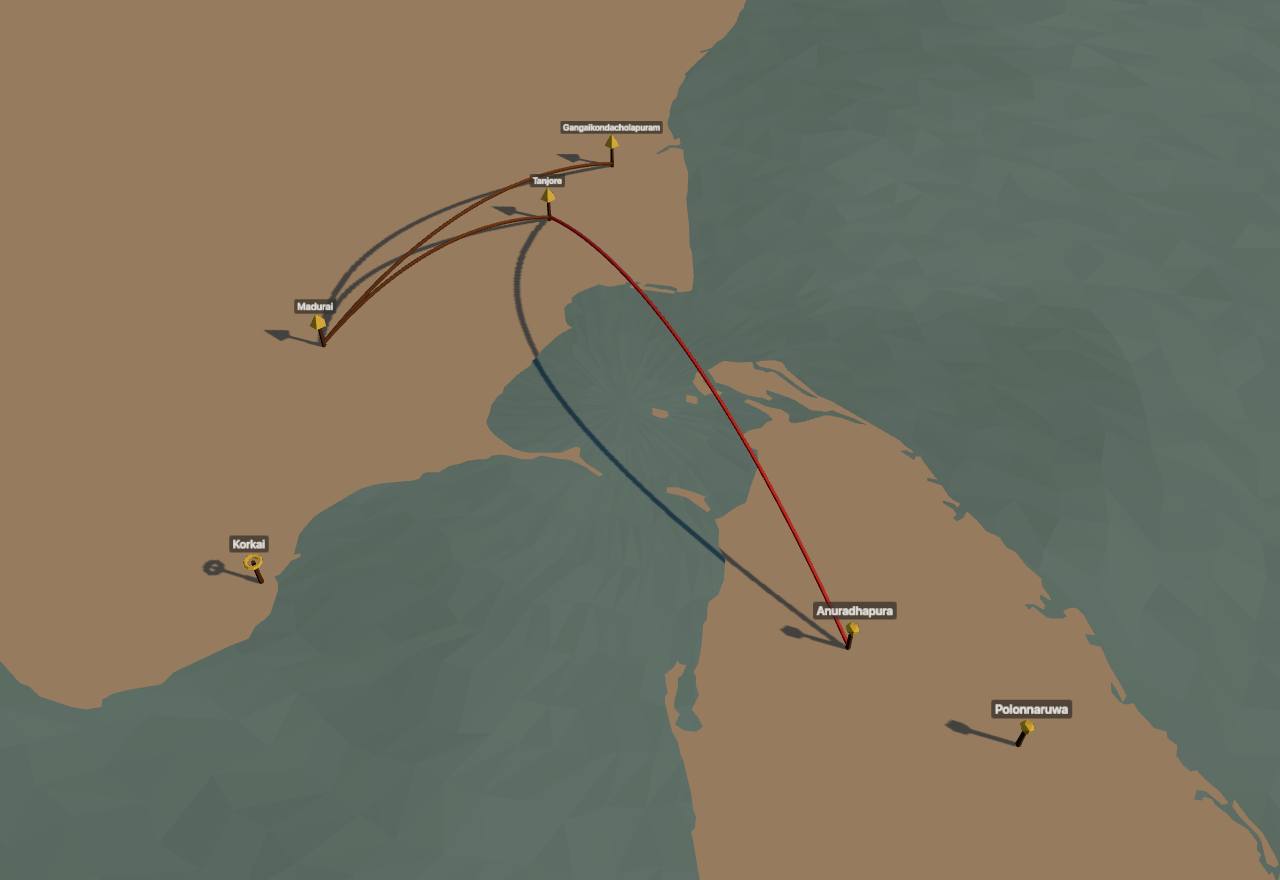
The Pandya country under the Cholas: places, not borders
Places, not borders: 6 cited sites and 3 cited links; Cliopatria draws no territory here. Madurai · Tanjore · Gangaikondacholapuram · Korkai · Anuradhapura · Polonnaruwa 5,25,1,4
“From about A.D. 925 to the beginning of the thirteenth century, for some three centuries, the Pandyan kingdom ceased to exist as an independent state and was part of the empire of the Cholas” (Sastri 1929). But piecing the fragments together “we do not get even the outline of a continuous account”. 5 Consensus Texts
“The country seems to have been in a state of chronic revolt.” After the Chola defeat at Takkolam a Vira Pandya won back independence and claimed to have taken the head of a Chola; Sastri thought the claim “does not seem to have been an empty boast”. Sundara Chola fought him twice, and on the second occasion Aditya II killed him (Sastri 1955). 5,4 Consensus Texts
After Rajendra I's campaign of about 1020, for half a century the Pandya country was ruled by “a prince of the Chola royal family who bore the title Chola-Pandya”, from Madurai, the first being Rajendra's son Jatavarman Sundara. Sastri found the control from the centre “both vigorous and regular”. 5,4 Consensus Texts
Why rule the Pandya country under a Pandya title? Sastri, after Venkayya, thought the name was added partly “to reconcile the people to their new ruler”, because the Pandyas drew their strength from “the traditional sway they had secured in the hearts of their people” and from their alliance with Ceylon. 5 Speculative Texts
Revolts in the Pandya and Kerala countries called out the yuvaraja Rajadhiraja under Rajendra I; Kulottunga I put down another and “established a number of military colonies along the important routes of communication” (Sastri 1955). 4 Consensus Texts
The viceroyalty “does not seem to have been continued after the accession of Kulottunga I about A.D. 1070”. Afterwards Pandya princes “were allowed to rule as they liked, subject to the vague suzerainty of the Cholas”, and “hardly any Chola inscriptions are found in the Pandya country” after his reign (Sastri). 5,4 Consensus Texts
How power worked King · Appointment · Empire · 1 unknown
How power worked
- Who rules
- King Consensus
Why?
- How chosen
- Appointment Debated
Why?
- Limits on power
- Unknown
Why?
Under the viceroys the constraint was the Chola emperor himself; no source read describes a body inside the Pandya country that checked a Chola-Pandya.
- Scale
- Empire Consensus
Why?
- Claim to rule
- Force Consensus
Why?
- Who has a say
- A narrow elite Debated
Why?
1070 CE – 1216 CE
The later Cholas
In 1070 the Chola throne passed to an Eastern Chalukya prince of Vengi, a grandson of Rajendra I through his mother, who ruled as Kulottunga I for fifty years. His line kept the empire's core for another century and a half, while Ceylon and the Deccan were lost, taxes in the delta rose and chiefs and officers grew into local lords.
Terms: The Tamil kingdoms: Pallavas, Cholas, Pandyas, Cheras: The later Cholas
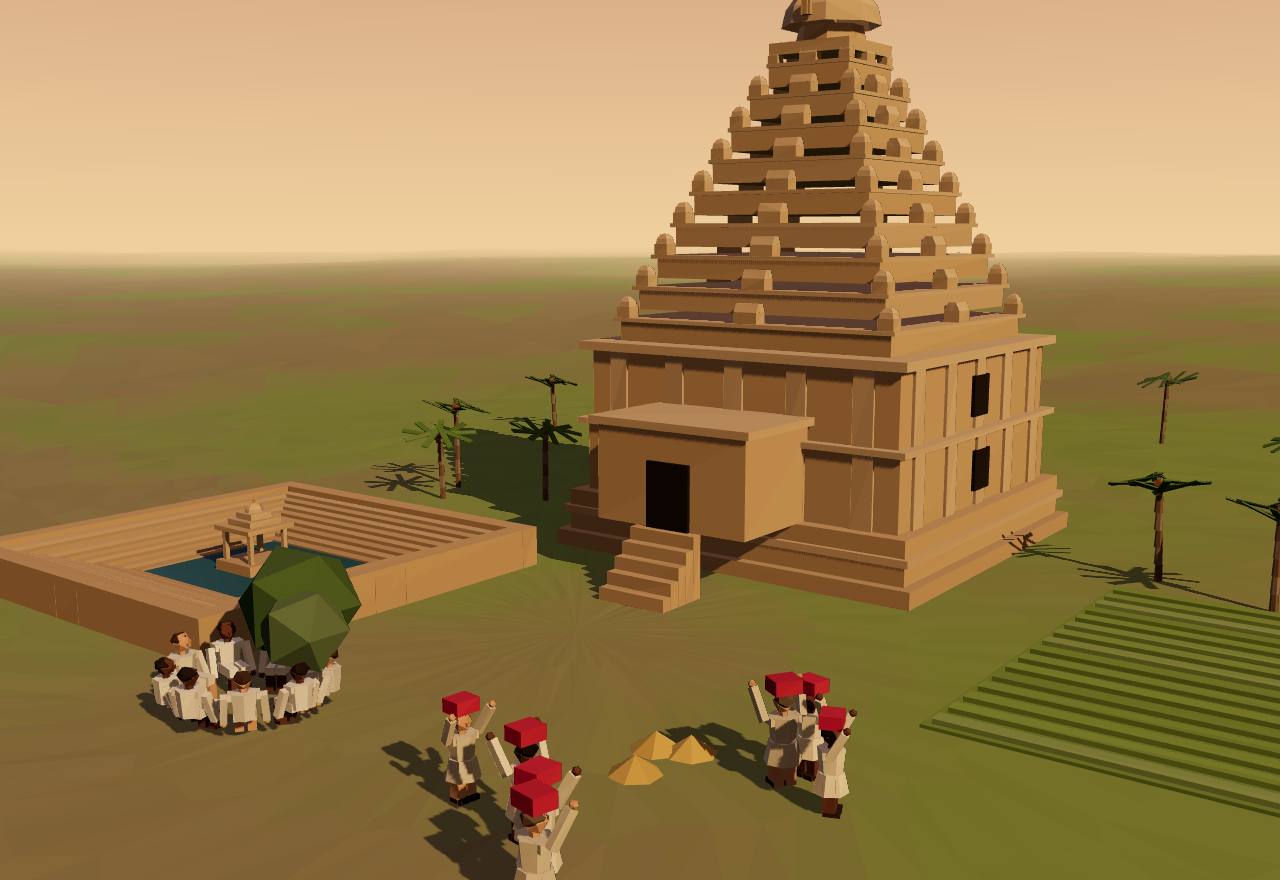
Gangaikondacholapuram, twelfth century: the capital and its countryside
Virarajendra died early in 1070; his son Adhirajendra ruled alone for “some weeks”, and Kulottunga I was king “on the 9th June A.D. 1070” (Sastri 1935). Sastri 1955: Adhirajendra “had lost his life in a popular rising” and “Rajendra, the ruler of Vengi, had captured the vacant Chola throne”. 1,4 Consensus Texts
Was it usurpation? Kulottunga's later inscriptions claim the crown by right, through his mother, Rajendra I's daughter; after generations of intermarriage the Eastern Chalukyas had become, Sastri writes, “plainly Colas at heart”. But the silence of the court poem on Adhirajendra gave “some ground for the inference that Kulottunga's ambition and intrigue brought about these occurrences”, and Sastri left his complicity open. 1 Debated Texts
For Sastri the accession “marks the commencement of a new era in the history of the Cola empire”: Vengi became a province of the Chola empire, “resuscitated by its own ruler”. Subbarayalu sees “a continuation and not a break with the imperial phase”, though “after Kulottunga, the expansion of Chola territory stopped. He had to give up Sri Lanka and Karnataka.” 14,11 Debated Texts
Relations across the Bay went on. The smaller Leiden grant, issued under Kulottunga I after an embassy from Srivijaya, names the two viharas at Nagapattinam, one of them “Sri Sailendra-Cudamanivarma-Vihara” (Sastri 1937). 14,1 Consensus Texts
Taxes in the delta rose. From Kulottunga I's time, Subbarayalu writes, landowners asked for lower taxes when tenants could not cultivate; “the state refused to give the owners any concessions”, and “from the twelfth century onwards, kings became increasingly ruthless in collecting taxes”, because as Chola power shrank they depended on the delta for revenue. 11 Debated Texts
Officers and soldiers held land for service (jivitam, padaipattru). In the twelfth century tenants complained of exactions by these holders, and “the king, in response to the complaints, ordered the abolition of military tenures”; how long the order held is not known (Subbarayalu). 11 Consensus Texts
New groups organised themselves. Subbarayalu reads the left-hand (idangai) groups as regiments first named in the mid-eleventh century, perhaps recruited in the northern conquests; by the late twelfth century they issued their own inscriptions, declaring solidarity “like sons and daughters of the same parents”, and some had become landowners north of the Kollidam. 11 Debated Texts
Assemblies above the village grew. Karashima and Subbarayalu: the nadu's people, the nattar, were at first “exclusively composed of the Vellāla peasantry”, but from the eleventh century the periyanadu, “big nadu”, a supra-nadu assembly, appears, which merchants and artisans later joined. 19 Consensus Texts
Under Rajaraja II (1146–1173) “the hold of the central administration over the outlying parts of the empire was becoming less firm”; Kulottunga III (from 1178) “delayed the disruption of the Chola empire for about a generation” and was “the last of the great Chola monarchs” (Sastri 1955). Around 1205 he sacked Madurai and “demolished the coronation hall of the Pandyas”. 4 Consensus Texts
Who ended Chola power? Stein: “From late Chola times in South India, lineages of powerful chiefs became so decisive as to bring the Chola regime to an end.” Sastri pointed to the empire's own officers: high officials paid in land were assets in its strength, but “in the days of its decline and fall, these very men by their local influence and their turbulence and insubordination hastened the end”. 17,3 Debated Texts
How power worked King · Heredity · Custom and kin
How power worked
- Who rules
- King Consensus
Why?
- How chosen
- Heredity Debated
Why?
- Limits on power
- Custom and kin Debated
Why?
- Scale
- Territorial state Debated
Why?
- Claim to rule
- Divine mandate Consensus
Why?
- Who has a say
- A narrow elite Consensus
Why?
1216 CE – 1335 CE
The Pandya ascendancy
In the thirteenth century the Chola state fell apart and the south was shared by four kingdoms, the Pandya and the Hoysala in the south and the Kakatiya and Yadava in the north; the Pandyas took the Tamil country. Then, from 1310, armies of the Delhi Sultanate raided as far as Madurai, and in about 1335 their governor there declared himself sultan.
Sastri called the period “the age of the four kingdoms”: Chalukya power had disappeared at the end of the twelfth century and the Chola at the beginning of the thirteenth, leaving “the Pandya and the Hoysala in the south, and the Kakatiya and Yadava in the north”, until the Muslim invasions “upset all the four kingdoms”. 4 Consensus Texts
Malik Kafur, general of Alauddin of Delhi, reached the Pandya country in 1311. Amir Khusrau, as Aiyangar gives him, has the army destroy the temples at Birdhul, return “on the 13th of Zi-l-ka'da A.H. 710 (A.D. April 1311)”, and reach Madura, “the dwelling-place of the brother of the Rai, Sundar Pandya”, to find it empty: “the Rai had fled with the Ranis”. 9 Consensus Texts
Sastri 1929: Malik Kafur's inroad “did not bring the Pandya territories into subjection to the Sultanate of Delhi”, but “marked the beginning of the end of the Second Empire of the Pandyas”, followed by the loss of the northern districts to the Kakatiyas and “the growing independence of the feudatories”. 5 Consensus Texts
In Ma'bar, as in Bengal, Delhi's governor rebelled: “Jalalu-d-din Ahsan Khan set up independently there”. Aiyangar dates it from the coins: those of Muhammad bin Tughluq in the south run to 1333 or 1334, those struck in the rebel's name from 1335, so the rebellion came “in or a little before A.D. 1335”. The sultan was the father-in-law of the traveller Ibn Battuta. 9 Consensus Texts Dating
Under the political turmoil, Karashima and Subbarayalu find new assemblies at work: merchants and artisans joined peasants in the periyanadu, “generating a new state and social formation that became explicitly visible in the fifteenth century under Vijayanagar rule”. 19 Consensus Texts
The sultanate fell to Vijayanagara: Kumara Kampana II overthrew it in a campaign “which history places in the years from 1365 to 1370”. His wife Gangadevi's Sanskrit poem has the goddess of the Pandya country give him “the sword of Pandyan sovereignty which the Pandyan kings were no longer capable of wielding” (Sastri 1955). 4 Consensus Texts
Cliopatria draws the Pandya Empire in seven slices from 1216 to 1325, and the Hoysala Kingdom beside it to 1351; it has no polygon for Venad or for the Madurai Sultanate. 12 Debated Survey
The second Pandya empire1216 CE – 1335 CEMadurai
From 1216 the Pandyas of Madurai turned on their old overlords, sacked the Chola country and for a century were the strongest power in the Tamil south, ruled by several princes of the royal house at once. Marco Polo, Sastri writes, visited the country in 1292–3.
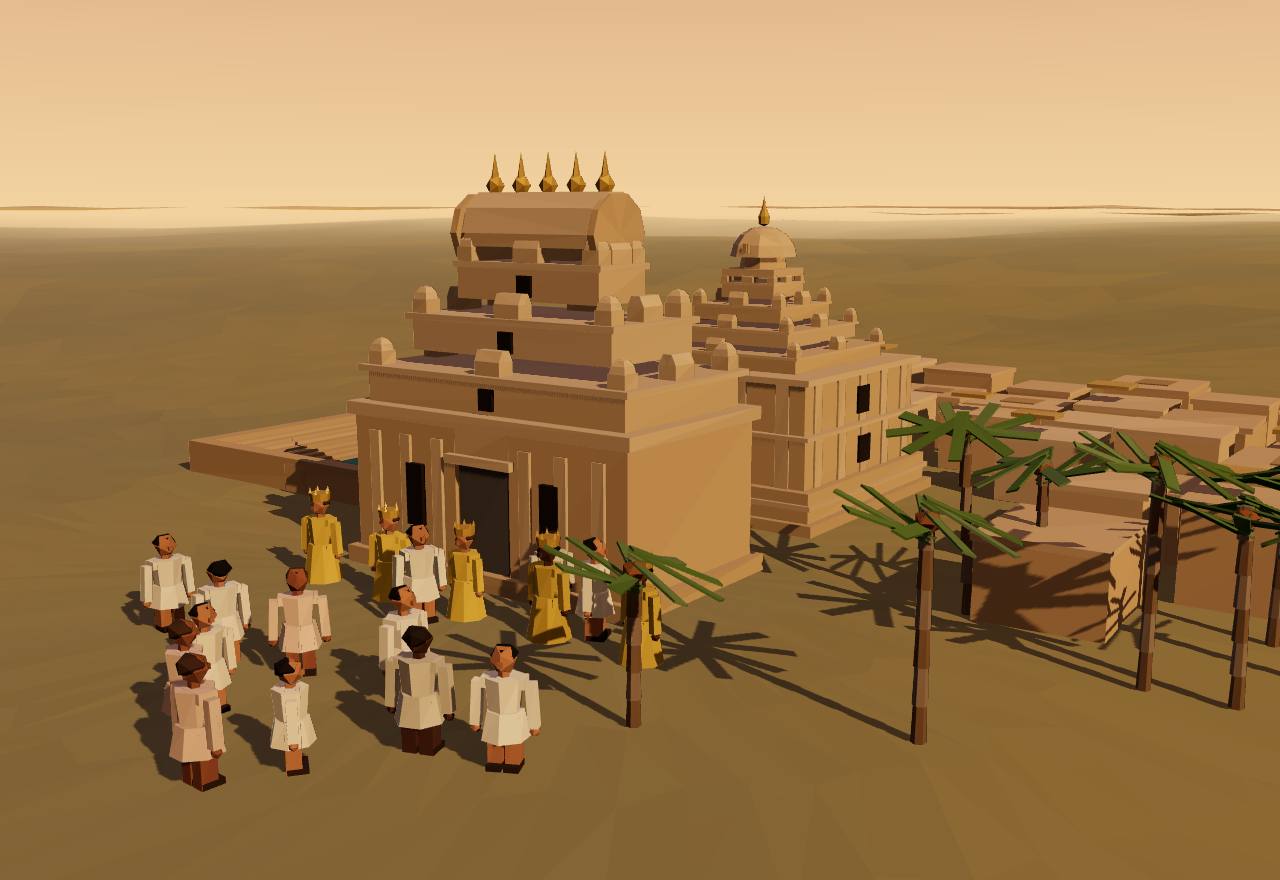
Madurai, thirteenth century: a Pandya temple town
Maravarman Sundara Pandya, king from 1216, invaded the Chola country, and “after sacking Uraiyur and Tanjore … drove his suzerain into exile”; he performed a coronation of victory “in the coronation hall of the Cholas” (Sastri 1955). Sastri: “This was the beginning of the second empire of the Pandyas.” 4 Consensus Texts
Under Jatavarman Sundara Pandya, from 1251, “Pandyan power attained its greatest splendour”: he took the country to Nellore and beyond, made Kanchipuram “a secondary Pandya capital”, took tribute from the Chola Rajendra III and pearls and elephants from Ceylon, and killed the Hoysala Somesvara in 1262 (Sastri 1955). 4 Consensus Texts
Marco Polo heard the same: in Maabar “there are five kings, who are own brothers”, of whom Sender Bandi Davar was “a crowned King”. Yule's note quotes the Persian historian Wassaf: the Devar Sundar Pandi had three brothers, “each of whom established himself in independence”, and died in 1293. 6 Debated Texts
Polo's king went bare but for a loincloth and a necklace of rubies, sapphires and emeralds; barons “called the King's Trusty Lieges” rode with him, and when he died and was burnt “these Lieges cast themselves into the fire”. The king took a tenth of the pearl fishery, and he and his brothers bought horses by the thousand from Kis, Hormuz, Dhofar and Aden, because “by the end of the year there shall not be one hundred of them remaining”. 6 Debated Texts
Polo describes a custom of debt: a creditor who drew a circle round a debtor held him there until he paid, on pain of death; “Messer Marco … did himself witness a case of this”, when a merchant drew the circle round the king and his horse. In the story the king “halted … until the merchant was satisfied”, and the bystanders called him “a most just King”. It is a traveller's report, not a law-book. 6 Speculative Texts
Village assemblies went on under the Pandyas. At Uttaramerur, in the time of a Sundara Pandya, a woman, Perungarunaiyatti alias Devargalammai, “was counted among the nyayattar”, perhaps a committee of justice (Sastri 1929). 5 Debated Texts
Maravarman Kulasekhara I (1268–1308/9) wanted his younger son Vira Pandya to succeed him; the elder, Sundara Pandya, went to war after his father's death, and “Sundara had to invoke the aid of the Muslim invader Malik Kafur (1310)” (Sastri 1955). Wassaf, in Yule's note, has Sundar Bandi kill his father and go to the Sultan of Delhi for help. 4,6 Debated Texts
Seshat's panel for this Pandya empire (in_pandya_emp_3, 1216–1323) codes four levels of settlement, with Madurai as capital, and five levels of administration, of which the coders note that several are “inferred”. Seshat DB Debated Survey
How power worked King · Heredity · Empire · 1 unknown
How power worked
- Who rules
- King Consensus
Why?
- How chosen
- Heredity Debated
Why?
- Limits on power
- Unknown
Why?
No source read names a body that could check a Pandya king; Polo's debt circle and the shared rule of the princes limited him in practice, but neither is an institution the sources describe as binding.
- Scale
- Empire Consensus
Why?
- Claim to rule
- Force Debated
Why?
- Who has a say
- A narrow elite Consensus
Why?
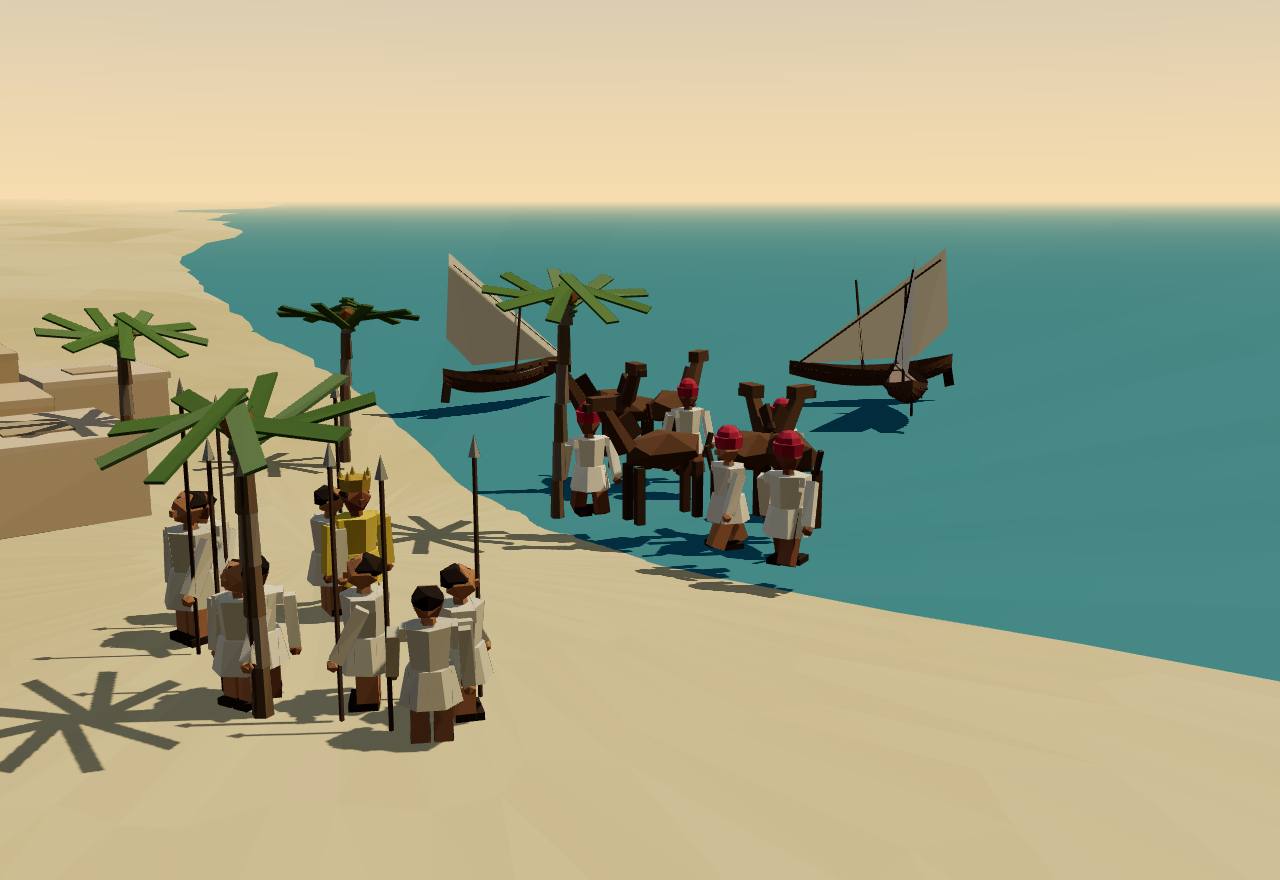
Kayal on the coast of Maabar, c. 1292, as Marco Polo describes it
The last Cholas1216 CE – 1279 CEThanjavur
The Chola kingdom survived the Pandya sack of 1216 by leaning on the Hoysalas of Karnataka, and ended with Rajendra III in 1279.
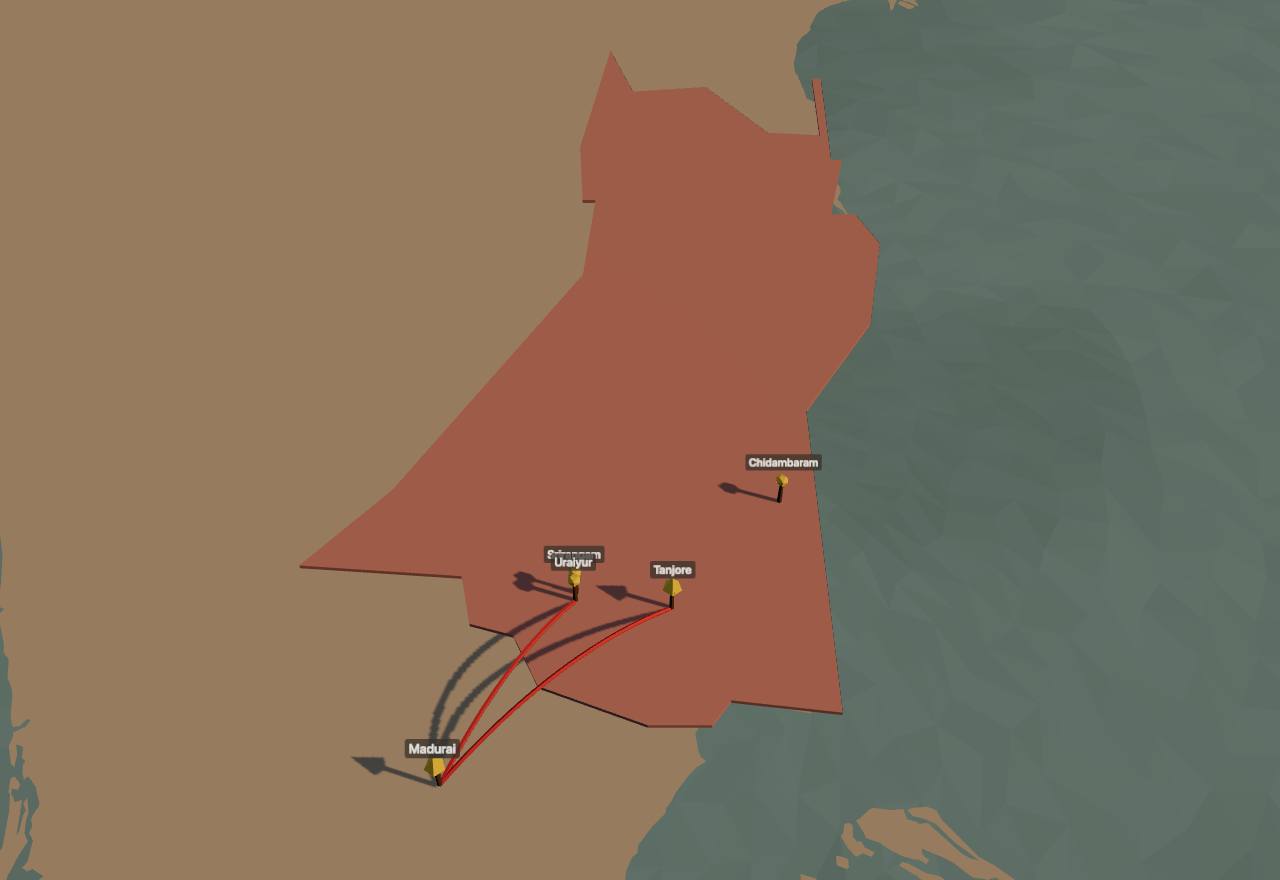
The end of the Cholas, 1216–1279: places, not borders
Places: 5 cited sites and 2 cited links over Cliopatria (CC BY 4.0) territories, drawn flat and low. Tanjore · Uraiyur · Srirangam · Chidambaram · Madurai 4,25
Kulottunga III “appealed for aid to Hoysala Ballala II who promptly sent an army under his son Narasimha to Srirangam” (Sastri 1955). “Hoysala influence over the whole area of the Chola kingdom and even in the Pandya country increased steadily from about 1220 to 1245, a period which may be well described as that of Hoysala hegemony in the south.” 4 Consensus Texts
Rajaraja III “proved to be an incompetent ruler under whom confusion increased”; after a battle at Tellaru he was “taken prisoner by the Kadava Kopperunjinga and confined in the fortress at Sendamangalam” (Sastri 1955), a chief holding a Chola king. 4 Consensus Texts
Sastri 1937: “nothing stands out in clearer relief from the records of the time than the absence of a central co-ordinating authority, and the readiness with which treasons and conspiracies seem to have been set on foot.” The executive strength of the government, greater under the great Cholas than any other dynasty, “was now visibly on the wane”. 14 Debated Texts
Rajendra III, “installed as yuvaraja in 1246”, “made a strenuous effort to revive Chola power”; for over ten years Rajaraja III ruled in name while “the substance of power lay in the hands of his abler colleague” (Sastri 1955, 1937). 4,14 Consensus Texts
Maravarman Kulasekhara “pressed the war against Hoysala Ramanatha, who had allied himself closely with Chola Rajendra III, and defeated both in 1279. That is the last we hear of Rajendra III and the Cholas” (Sastri 1955). His latest regnal year, the 33rd, corresponds roughly to 1279 (Sastri 1937). 4,14 Consensus Texts Dating
“The name Cola-mandalam long survived the Cola kingdom itself and was subsequently corrupted into Coromandel” (Sastri 1937). Veluthat: by the close of the thirteenth century the Chola kingdom “became already a thing of the past, but with vivid memories recounted in legend and song”. 14,20 Consensus Texts
How power worked King · Heredity · Territorial state · 1 unknown
How power worked
- Who rules
- King Consensus
Why?
- How chosen
- Heredity Consensus
Why?
- Limits on power
- Unknown
Why?
What limited the last Chola kings was the Hoysala and Pandya kings and their own chiefs, not a body of the kingdom; the sources read describe no council that could check them.
- Scale
- Territorial state Consensus
Why?
- Claim to rule
- Divine mandate Debated
Why?
- Who has a say
- A narrow elite Debated
Why?
Venad: Kerala after the Perumals1216 CE – 1335 CEKollam (Quilon)
Venad, the southern tip of Kerala, appears as a district in the Perumal grants. With Quilon as its port it outlasted the Perumals, and in 1312–1316 its king briefly made himself master of the Tamil plain.
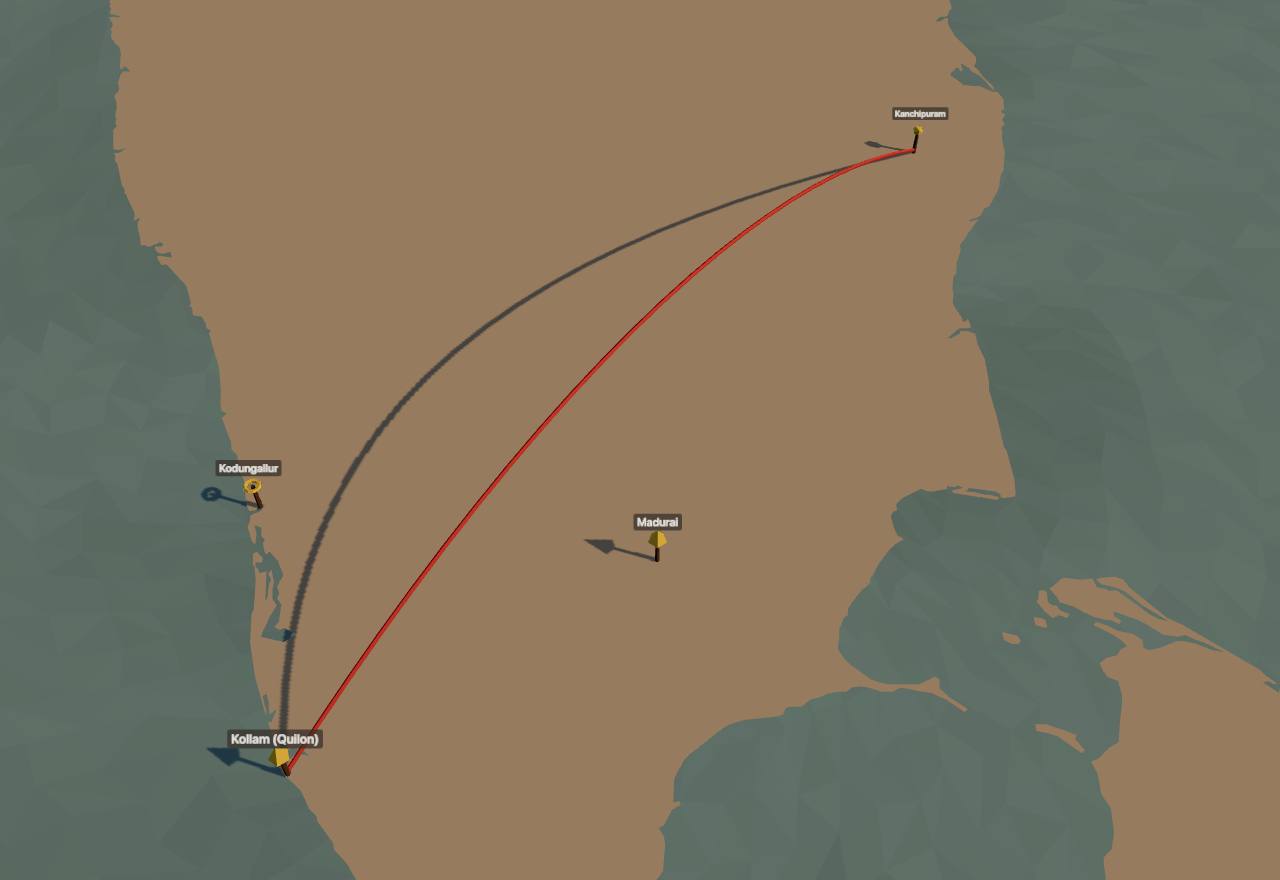
Venad and Ravivarman's march, 1312–1316: places, not borders
Places, not borders: 4 cited sites and 1 cited link; Cliopatria draws no territory here. Kollam (Quilon) · Kodungallur · Madurai · Kanchipuram 5,6,25,8,4
Venad was one of the districts of the Perumal kingdom: its chief, “Govardhana-Martandan of Venadu”, is the first witness of Bhaskara Ravivarman's grant to Joseph Rabban. Hultzsch: “Venadu is the Tamil name of the Travancore country.” 8 Consensus Texts
Marco Polo's kingdom of Coilum, Quilon, had “a language of their own, and a King of their own, and are tributary to no one”. Its people were idolaters with “some Christians and some Jews”; pepper was planted and watered, indigo made, and “the merchants from Manzi, and from Arabia, and from the Levant come thither with their ships”. 6 Debated Texts
The Pandyas fought there: Jatavarman Sundara Pandya went “with a small force against the Chera king Viraravi Udaya Martandavarman, and destroyed him and his forces”, and Maravarman Kulasekhara “also fought in Travancore where, perhaps, he suppressed a local rising” (Sastri 1955). 4 Consensus Texts
Ravivarman Kulasekhara, also called Sangramadhira, “ruled in Travancore with Quilon as his capital” from about 1311–12, and was “almost the only South Indian monarch who was left untouched by the storm of Malik Kafur's raid” (Sastri 1929). 5 Consensus Texts
Taking advantage of the Pandya civil war, he “marched as far north as Kanchipuram” (Sastri 1955). His Kanchipuram inscription of 1315–16 claims he defeated Vira Pandya, “made the Pandyas and Cholas subject to the Keralas” and was crowned, aged forty-six, on the banks of the Vegavati (Sastri 1929). 4,5 Debated Texts
It did not last. In 1317 a Kakatiya army under Muppidi Nayaka “defeated Ravivarman Kulasekhara and Vira Pandya, compelled the former to withdraw into his own kingdom, and installed Sundara Pandya on the throne” (Sastri 1955). The king also “found time for literary pursuits in the midst of his stormy career”, writing a five-act Sanskrit drama. 4,5 Consensus Texts
How power worked King · Territorial state · Force · 3 unknown
How power worked
- Who rules
- King Consensus
Why?
- How chosen
- Unknown
Why?
How a king of Venad came to the throne is not described in any source read for this page; Ravivarman's own inscription records a coronation, not a succession.
- Limits on power
- Unknown
Why?
No source read describes a council or rule that bound the kings of Venad.
- Scale
- Territorial state Consensus
Why?
- Claim to rule
- Force Debated
Why?
- Who has a say
- Unknown
Why?
Who besides the king had a say in Venad is not recorded in the sources read; Polo saw a trading town, not its government.
Artefacts
 Model, not a scan
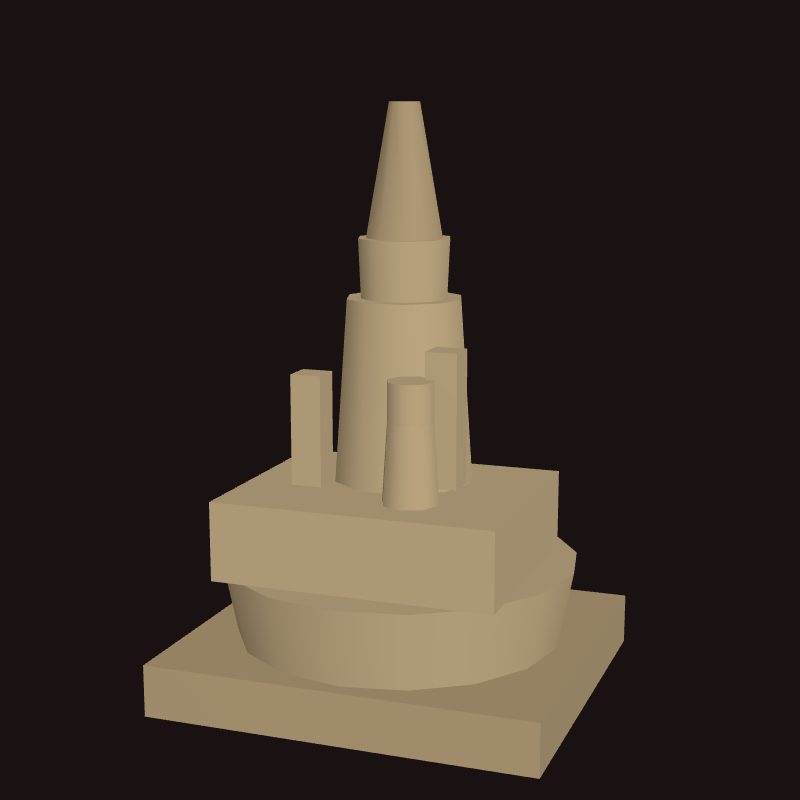 Model, not a scan
In numbers
How the Chola kings came to the throne, c. 850–1279
Data: reigns and successions as Sastri gives them (1935, 1937, 1955)
Twenty-one Chola kings, each placed by how he came to the throne. Bars overlap because a Chola king counted his reign from the day he was installed as heir, often years before his father died; that practice is the “Named heir” lane. Dates are Sastri's, from his two-volume history of 1935–37 and his 1955 history; where they disagree, the bar's note says so.
21 accessions: 1 took a city, 8 succeeded, 10 named heir, 2 seized; median reign 21 years. Ended: 15 died in office, 2 killed, 1 conquered, 3 not known.
Marks at the end of a bar: ○ died in office · × killed · ▽ deposed · | abdicated · □ conquered
Show the table: Chola kings, c. 850–1279
| Ruler | Years | Came to power | Reign ended | Source |
|---|---|---|---|---|
| Vijayalaya | 850 CE – 871 CE | Took a city | not known (Took Tanjore “some time before 850”, perhaps as a Pallava feudatory; his reign “might have begun … sometime before 850” and closed “870 or thereabouts”.) | 1,4 |
| Aditya I | 871 CE – 907 CE | Succeeded | died in office (Son of Vijayalaya; killed the last Pallava (c. 890 in 1935, 897 in 1955); died at Tondaimanad, where his son raised a temple over his remains.) | 1,4 |
| Parantaka I | 907 CE – 953 CE | Succeeded | died in office (907 is “the sheet-anchor of Cola chronology”. Sastri 1935: lived to 953; 1955: ruled forty-eight years, to 955. His heir Rajaditya was killed at Takkolam in 949.) | 1,4,2 |
| Gandaraditya | 949 CE – 957 CE | Succeeded | died in office (Parantaka's son, after Rajaditya's death in battle.) | 1,4 |
| Arinjaya | 956 CE – 957 CE | Succeeded | died in office | 1,4 |
| Sundara Chola (Parantaka II) | 957 CE – 973 CE | Succeeded | died in office (His heir, Aditya II, was murdered in 969.) | 1,4 |
| Uttama Chola | 973 CE – 985 CE | Seized | died in office (Sastri 1955: Uttama “conspired to murder the yuvaraja Aditya II (969), and then compelled the aggrieved father to recognize him as heir-apparent”; king at Sundara's death (973; 969/70 in 1935).) | 1,4 |
| Rajaraja I | 985 CE – 1014 CE | Succeeded | died in office (Came to the throne “after a long apprenticeship as yuvaraja” in 985 (1935); 1955's table says 1016, its text 1014.) | 1,4 |
| Rajendra I | 1012 CE – 1044 CE | Named heir | died in office (“Declared heir apparent and formally associated with his father” in 1012; died in 1044.) | 1,4 |
| Rajadhiraja I | 1018 CE – 1054 CE | Named heir | killed (Yuvaraja from 1018: “father and son … ruled together and shared the burdens of empire” for over twenty-five years. Killed at Koppam.) | 1,4 |
| Rajendra II | 1052 CE – 1064 CE | Named heir | died in office (Counted from 1052; at Koppam (1054) he “crowned himself king on the battle-field”.) | 1,4 |
| Virarajendra | 1063 CE – 1070 CE | Succeeded | died in office (Younger brother of Rajadhiraja and Rajendra II; his nephew Rajamahendra had died as heir. Died early in 1070.) | 1,4 |
| Adhirajendra | 1070 CE – 1070 CE | Succeeded | killed (Ruled alone “some weeks”; Sastri 1955: the king “had lost his life in a popular rising”.) | 1,4 |
| Kulottunga I | 1070 CE – 1120 CE | Seized | died in office (An Eastern Chalukya prince, grandson of Rajendra I through his mother; Sastri 1955: he “captured the vacant Chola throne”. Sastri 1935 leaves his part in Adhirajendra's fall open.) | 1,14,4 |
| Vikrama Chola | 1118 CE – 1135 CE | Named heir | died in office | 14,4 |
| Kulottunga II | 1133 CE – 1150 CE | Named heir | died in office | 14,4 |
| Rajaraja II | 1146 CE – 1173 CE | Named heir | died in office | 14,4 |
| Rajadhiraja II | 1163 CE – 1179 CE | Named heir | not known (A grandson of Vikrama Chola through a daughter, chosen by Rajaraja II and made yuvaraja (1166 in Sastri 1955); lived to 1179 or 1182.) | 14,4 |
| Kulottunga III | 1178 CE – 1218 CE | Named heir | died in office (Began his reign in July 1178, “though Rajadhiraja lived up to 1182”; driven out by Maravarman Sundara Pandya in 1216; died 1218.) | 14,4 |
| Rajaraja III | 1216 CE – 1256 CE | Named heir | not known (The 1216 date “marks, not his accession … but his recognition … as heir apparent” (1937).) | 14,4 |
| Rajendra III | 1246 CE – 1279 CE | Named heir | conquered (Yuvaraja in 1246; defeated with his Hoysala ally by Maravarman Kulasekhara in 1279: “That is the last we hear of Rajendra III and the Cholas.”) | 14,4 |
Who tells us about each kingdom?
Data: inscriptions, chronicles and travellers as their editors give them
What each source gives for each kingdom, as its editors and readers report it. An empty cell means the source does not bear on it. Read down a column to see how a kingdom is known: the Cholas and Pandyas from their own inscriptions and from foreign chroniclers and travellers, the Cheras of Kerala from a single grant and a late tradition.
| Source | Pallava | Chola | Pandya | Chera, Venad | Beyond: Ceylon, Srivijaya, Delhi |
|---|---|---|---|---|---|
| Velvikudi copper plates 8th century (Jatila Parantaka's 3rd year) · Inscriptions 5 | not named | not named | A Brahmin grant lost and restored; Kadungon's restoration | not named | One sentence on “a Kali king named Kalabhran” |
| Vaikuntha Perumal temple, Kanchi: inscribed sculpture panels 8th century · Inscriptions 13,4 | How Nandivarman II was chosen king, c. 731 | not named | not named | not named | not named |
| Kasakudi plates of Nandivarman II his 22nd year · Inscriptions 13 | Descent from Brahma; an order to the nadu assembly to make a brahmadeya | not named | not named | not named | not named |
| Larger Sinnamanur plates early 10th century (Rajasimha II's 16th year) · Inscriptions 5 | not named | not named | Genealogy; claims the Bharatam translation and the Sangam for early kings | not named | A Pandya victory over Ceylon (rejected by Sastri in 1955) |
| Uttaramerur inscriptions A and B 919 and 921 (Parantaka I's years 12 and 14) · Inscriptions 2,3 | not named | A village assembly's rules for choosing its committees by lot | Parantaka “who conquered Madirai” in the dating | not named | not named |
| Rajarajesvara temple inscriptions, Tanjore c. 1010–1014 · Inscriptions 18,1,16 | not named | The temple's staff, villages and land, in the king's words | Brahmadeyas of “Pandi-nadu, alias Rajaraja-mandalam” to supply the temple | not named | Rajendra's 1025 raid on Kadaram and Srivijaya (his eulogy) |
| Larger Leiden plates Rajendra I, confirming his father's grant · Inscriptions 1 | not named | Rajaraja's gift of a village to a Buddhist vihara at Nagapattinam | not named | not named | The vihara built by the Sailendra king of Srivijaya and Kataha |
| Cochin plates of Bhaskara Ravivarman the king's 36th year (no era) · Inscriptions 8 | not named | not named | not named | A grant to Joseph Rabban, attested by five district chiefs, Venadu first | not named |
| Mahavamsa (Ceylon chronicle) as quoted by Sastri · Chronicles and court histories 1,4 | not named | The Cholas took “all the treasures of Lanka”; King Mahinda died in the Chola land | A Sinhalese army sacks Madurai, 862 (preferred by Sastri in 1955) | not named | Ceylon's own account |
| Amir Khusrau, Tarikh-i-'Alai on 1311 · Chronicles and court histories 9 | not named | not named | Malik Kafur finds Madura empty, the Rai fled | not named | Delhi's raid, in the words of its court poet |
| Marco Polo visited 1292–3 · Travellers 6,4 | not named | not named | Maabar: five brother kings, the king's lieges, pearls, horses, a debt circle | Coilum (Quilon): its own king, “tributary to no one” | not named |
| Wassaf (in Yule's notes) early 14th century · Chronicles and court histories 6 | not named | not named | The Devar Sundar Pandi and his three brothers; the succession war that brought in Delhi | not named | not named |
| Ibn Battuta (through Aiyangar) and the sultans' coins 1330s · Travellers 9 | not named | not named | Ma'bar under a sultan at Madura from c. 1335 | not named | Delhi's governor rebels |
| Keralolpatti and Kerala Mahatmyam late · Later tradition 10,4 | not named | not named | not named | Kings brought in from outside, who took the title Perumal: “of very little value” (Sastri) | not named |
14 sources: Pallava 2 · Chola 4 · Pandya 9 · Chera, Venad 3 · Beyond: Ceylon, Srivijaya, Delhi 7
- Marks, by Seshat polity:
- Late Pallava Empire
- Pandya Dynasty
- Pandya Empire
- Background bands, by phase:
- Pallavas and Pandyas
- The Chola imperium
- The later Cholas
- The Pandya ascendancy
Not coded in Seshat
Not coded in Seshat
Not coded in Seshat
| Seshat polity | Years | Value |
|---|---|---|
| Late Pallava Empire | 300 CE – 890 CE (whole period) | 6–8 |
| Pandya Empire | 1216 CE – 1323 CE (whole period) | 5 |
| Seshat polity | Years | Value |
|---|---|---|
| Late Pallava Empire | 300 CE – 890 CE (whole period) | 4–5 |
| Pandya Dynasty | 590 CE – 915 CE (whole period) | 3–5 |
| Pandya Empire | 1216 CE – 1323 CE (whole period) | 4 |
| Seshat polity | Years | Value |
|---|---|---|
| Pandya Dynasty | 590 CE – 915 CE (whole period) | 4–6 |
Not coded in Seshat: territory, population, largest settlement.
Values as Seshat codes them: bands are ranges, dots single values, flat bars values given for a whole period, hatching “unknown”; from one Seshat polity to the next, marks alternate between a light tone and a darker one with dashed joining lines (the key above names each polity). Source: Seshat Global History Databank (Equinox-2020), CC BY 4.0; and the Seshat Databank, seshat-db.com (no licence stated; attribution).
Governance fingerprint
Seshat's institutional variables, phase by phase. Hover or focus a cell for the values and years.
- Present
- Inferred present
- Absent
- Inferred absent
- Unknown
- Not coded in Seshat
- Mixed: present in one Seshat polity or period, absent in another
Not coded in Seshat: The Chola imperium: The Cholas, The Chola imperium: The Chera Perumals of Mahodayapuram, The Chola imperium: The Pandyas under Chola overlordship, The later Cholas, The Pandya ascendancy: The last Cholas, The Pandya ascendancy: Venad: Kerala after the Perumals. The Seshat Databank has no polity for them, so their six axes rest on the cited scholarship alone.
Source: Seshat Global History Databank (Equinox-2020), CC BY 4.0; Seshat Databank, seshat-db.com (no licence stated; attribution).
Compare
| Axis | The Tamil kingdoms: Pallavas, Cholas, Pandyas, Cheras | India: After the cities: the Vedic age | North India and the Deccan: The Guptas | Southeast Asia: Funan |
|---|---|---|---|---|
| Who rules | King | Chief | King | King |
| How chosen | Heredity | Mixed | Heredity | Heredity |
| Limits on power | Council | Council | Custom and kin | Custom and kin |
| Scale | Territorial state | Confederation | Empire | Confederation |
| Claim to rule | Divine mandate | Divine mandate | Divine mandate | Divine mandate |
| Who has a say | A narrow elite | A narrow elite | A narrow elite | A narrow elite |
Legacy
The Chola country gave the coast its European name: “The name Cola-mandalam long survived the Cola kingdom itself and was subsequently corrupted into Coromandel” (Sastri 1937). 14 Consensus
Uttaramerur is now cited as a democratic heritage: in 2021 India's prime minister told the Summit for Democracy that its “10th Century” inscription “codified the principles of democratic participation”. Historians since Sastri have warned against importing “the associations of democracy” into it (see the debate in the Chola case). 24,3 Debated
The Chola plates kept at Leiden since 1862, Rajendra I's 21-plate charter and Kulottunga I's three plates for the Buddhist vihara at Nagapattinam, are going back to India: in 2026 Leiden University decided on restitution, on the advice of the Colonial Collections Committee, and says it has since handed them over to the Archaeological Survey of India. Reports of the date of the transfer differ. 29 Debated
Sastri wrote that the Tanjore temple is “the largest and the tallest of all Indian temples … the high-water mark of South Indian architecture”, and called Gangaikondacholapuram, built about 1030, its successor in “much the same style”. 4 Consensus
The Chola kingdom became a test case far beyond India: Stein borrowed the segmentary state from Southall's African Alur, and Southall in turn redefined the concept in reply, “partly to ‘repay’” Stein's refinements, Stein wrote. 17,26 Consensus
The kingdoms left a huge written record still not fully read: of about 27,000 Tamil inscriptions held by the Archaeological Survey's epigraphy branch, Subbarayalu says, “only 11,000 have been published in properly edited volumes”. 11 Consensus
See also forms of government and the country edition.
Sources
Bibliography
30 sources, numbered as cited: 10 papers · 9 books · 4 datasets · 5 primary sources · 2 popular syntheses
- Book Nilakanta Sastri, K. A. (1935). The Cōḷas, vol. I. University of Madras (Internet Archive scan). The chapters on the Periplus and on the Colas of early Tamil literature (Uraiyur and Puhar, the rival branches, Karikala) read in the text layer.
- Primary Venkayya, V. (1908). Two inscriptions at Uttaramallur. Archaeological Survey of India, Annual Report 1904–5, 131–145. Government Printing, Calcutta (Internet Archive scan). Read in full in the text layer: the editor's introduction (pp. 131–136), the Tamil texts and the translations of inscription A (Parāntaka I's 12th year, pp. 138–139) and B (14th year, 16th day, pp. 142–145). No author line in the OCR; Sastri 1932 names Venkayya, and the article refers to his own earlier translation in the Annual Report on Epigraphy for 1898–99.
- Book Nilakanta Sastri, K. A. (1932). Studies in Cōḷa History and Administration. University of Madras (Internet Archive scan). The Uttaramerur essay read in the text layer: the inscriptions of Parāntaka I (years 12 and 14, A.D. 919 and 921), the name tickets and lots, and Sastri's warning against reading modern democracy into them.
- Book Nilakanta Sastri, K. A. (1955). A History of South India from Prehistoric Times to the Fall of Vijayanagar. Oxford University Press, London (Internet Archive scan). Read in the text layer: the Kalabhra interval, the Pallavas and Pandyas, the Cholas, the age of the four kingdoms (pp. 202–208), the Muslim invasions (pp. 221–222), Kumara Kampana and Madura (p. 255), and the chapter on administration.
- Book Nilakanta Sastri, K. A. (1929). The Pandyan Kingdom from the Earliest Times to the Sixteenth Century. Luzac, London (Internet Archive scan). Read in the text layer: the Kalabhras and Kadungon's restoration (pp. 47–48), the First Empire, the Manur assembly rules, the Chola-Pandya viceroys. The OCR prints no page numbers: pages counted from the running heads and signature marks.
- Primary Polo, M. (1903). The Book of Ser Marco Polo, vol. 2. Translated by H. Yule, revised by H. Cordier, 3rd edn, John Murray, London (Project Gutenberg eBook #12410). Book III, chapters XVI–XVII (Maabar), XXI (Cail) and XXII (Coilum) read in full, with Yule's note 1 to ch. XVI (Wassaf's account of Sundar Pandi).
- Paper Subbarayalu, Y. (2014). Book Review: M.G.S. Narayanan, Perumals of Kerala: Brahmin Oligarchy and Ritual Monarchy, Political and Social Conditions of Kerala under the Cera Perumals of Makotai (c. AD 800–1124). The Indian Economic & Social History Review 51(3), 399–403. Paywalled: cited only for the bibliographic record, whose title gives Narayanan's dating of the Perumals, c. 800–1124. Nothing else from it is used.
- Primary Hultzsch, E. (1895). Cochin plates of Bhaskara Ravivarman. Epigraphia Indica 3 (1894–95), 66–69 (Internet Archive scan). Read in full: the introduction (the Vatteluttu script, the regnal date, Muyirikkodu identified with Cranganore in the Hebrew translation, the five nadu chiefs among the witnesses), the text and the translation of the grant to Issuppu Irappan (Joseph Rabban).
- Book Krishnaswami Aiyangar, S. (1921). South India and her Muhammadan Invaders. Humphrey Milford, Oxford University Press, London (Internet Archive scan). Read in the text layer: Malik Kafur's raid on Madura in 1311 after Amir Khusrau (pp. 99–100), the revolt of Ma'bar (p. 138) and the note on its date from the coins (p. 152).
- Book Nilakanta Sastri, K. A. (1973). Tenninthiya varalaru (Tamil translation of A History of South India), trans. Mu. Ra. Perumal Mudaliar. Tamil Nadu Text Book Society, Madras (Tamil Digital Library scan, Internet Archive). The Tamil text layer read for the Tamil forms of the administrative terms (pp. 319, 321) and the Perumal title (p. 228); each form was checked against the passage it sits in.
- Paper Menon, P., Subbarayalu, Y. (2023). Reconstructing Chola Agrarian History: Parvathi Menon Interviews Y. Subbarayalu. Review of Agrarian Studies 13(1). Read in full (ras.org.in): the inscription corpus, the Pulankurichi inscription, brahmadeya grids, Rajaraja's land survey and standard grade, taxes, regiments, and the case for a centralised Chola state against Stein.
- Dataset Bennett, J. S., Mutch, E., Tollefson, A., et al. (2025). Cliopatria - A geospatial database of world-wide political entities from 3400BCE to 2024CE. Scientific Data 12. Cliopatria: open geospatial dataset of over 1600 political entities, 3400 BCE–2024 CE.
- Book Minakshi, C. (1938). Administration and Social Life under the Pallavas. University of Madras (Internet Archive scan). Read in the text layer: kingship and Nandivarman II's choice by the subjects (pp. 38–39, 67), ministers and officials, the administrative units, the village assemblies and their committees (pp. 115–130).
- Book Nilakanta Sastri, K. A. (1937). The Cōḷas, vol. II. University of Madras (Internet Archive scan, bound with vol. I). The second volume (1070–1279, and the chapters on government, local administration and taxation) is in the same scan as vol. I (sastri1935); its pages restart at 1 and are running heads. Read in the text layer: the accession of Kulottunga I (p. 1), the smaller Leiden grant (p. 29), Rajaraja III and Rajendra III (pp. 172–208), the king and his government (pp. 213–243).
- Paper Kulke, H. (2009). Introduction. In H. Kulke, K. Kesavapany and V. Sakhuja (eds), Nagapattinam to Suvarnadwipa: Reflections on the Chola Naval Expeditions to Southeast Asia, ISEAS, Singapore, xiii–xviii. Read in full in ISEAS's free prelims PDF (bookshop.iseas.edu.sg/component/get/10511): the three readings of the 1025 raid, the single Tamil source, the silence of Chinese sources, the 'armada' of trading ships. Crossref lists no author; the prelims name Kulke.
- Paper Kulke, H. (2009). 1 The naval expeditions of the cholas in the context of asian history. In Nagapattinam to Suvarnadwipa, ISEAS, Singapore, 1–19. First page read on the publisher's site: the Tanjore praśasti of 1025 as quoted, 'twelve other port cities', and 'the reasons of this naval expedition are still a moot point'.
- Paper Stein, B. (1991). The Segmentary State: Interim Reflections. In De la royauté à l'État dans le monde indien (Puruṣārtha 13), Éditions de l'EHESS, 217–238. Read in full on OpenEdition (free HTML; paragraph numbers ¶ are OpenEdition's): the definition of the segmentary state (¶ 11), the nadu as segment (¶ 7), the Chola core's 'highly centralized resource command' (¶ 15), the small royal standing force (¶ 34).
- Primary Hultzsch, E. (ed., trans.) (1895). South-Indian Inscriptions, vol. II, part III: Tamil inscriptions of Rajaraja, Rajendra-Chola and others in the Rajarajesvara temple at Tanjavur. Government Press, Madras (Internet Archive scan). Translations of the Rajarajesvara (Brihadisvara) temple inscriptions read in the text layer: the royal order to engrave the gifts, the temple's villages, the four hundred temple women (No. 66) and the temple staff.
- Paper Karashima, N., Subbarayalu, Y. (2004). The emergence of the periyanadu assembly in south india during the chola and pandyan periods. International Journal of Asian Studies 1(1), 87–103. Abstract read: the nadu and its nattar, and the periyanadu as a supra-nadu assembly from the eleventh century.
- Paper Veluthat, K. (2018). From Chiefdom to Kingdom and Empire: Trajectories of State in South India. Studies in History 35(1), 20–36. Abstract read: the Chola state from chiefdom to kingdom and empire, an empire that 'fell apart in about a century'. The abstract does not discuss the Cheras.
- Dataset Seshat: Global History Databank (2026). Seshat Databank API: polity in_chola_emp (Chola Empire). seshat-db.com, read 15–16 Nov 2026. The Chola Empire record (849–1280) has four endpoints with data (duration, alternative name, language, professional lawyers absent), so it is not charted (docs/superpowers/specs/history-verification/wave2-seshat.md).
- Paper Veluthat, K. (2017). The temple and the state in medieval South India. Studies in People's History 4(1), 15–23. Abstract read: temple and state lent each other support and legitimacy; the temple took on administrative, judicial and fiscal roles.
- Book Mookerji, R. (1919). Local Government in Ancient India. Clarendon Press, Oxford (Internet Archive scan). The introduction and the chapter on the Chola village assemblies read in the text layer, with his account of the Uttaramerur rules.
- Popular Press Information Bureau, Government of India (2021). National Statement by Prime Minister Narendra Modi at the Summit for Democracy. PIB Delhi, 10 December 2021, release 1780207 (Internet Archive copy of 8 May 2025). Read in full (the PIB site refuses requests from outside India; the archived copy was read). A political speech, cited for the reading it gives of Uttaramerur, not as scholarship.
- Dataset Wikidata contributors (2026). Coordinates (P625) of places on the Tamil kingdoms maps. Wikidata (CC0), read 15 Nov 2026. Items: Kanchipuram Q212332, Mahabalipuram Q208000, Uthiramerur Q264443, Thanjavur Q41496, Gangaikonda Cholapuram Q1493439, Madurai Q228405, Meenakshi Temple Q1424358, Uraiyur Q3535189, Nagapattinam Q695585, Kodungallur Q1006282, Kollam Q321475, Vizhinjam Q7938014, Kayalpattinam Q603704, Korkai Q3523812, Anuradhapura Q5724, Polonnaruwa Q394443, Palembang Q8131, Bujang Valley Q3181128, Srirangam Q2304639, Chidambaram Q155332, Kailasanathar Temple Q2728976, Shore Temple Q1144279. Town coordinates, not the ancient sites.
- Paper Southall, A. (1988). The Segmentary State in Africa and Asia. Comparative Studies in Society and History 30(1), 52–82. Abstract read: the segmentary state redefined as one in which ritual suzerainty and political sovereignty do not coincide.
- Paper Spencer, G. W. (1976). The Politics of Plunder: The Cholas in Eleventh-Century Ceylon. The Journal of Asian Studies 35(3), 405–419. Abstract read: the Chola invasions of Ceylon, 'bent upon occupation and plunder', and plunder as an instrument of the Indian state.
- Primary Subrahmanya Aiyer, K. V. (1933). The Larger Leiden Plates (of Rajaraja I). Epigraphia Indica 22, part III (July 1933), 213 ff. (Internet Archive scan). The introduction read: 21 plates 'each measuring 14" by 5"' (after Burgess and Natesa Sastri, 1886), the massive ring and its seal with two fishes and a tiger under a parasol, the Sanskrit legend of Rajendra Chola. The fractions in the scan's measurements of the ring and seal are not legible.
- Popular Leiden University (2026). Leiden University to return Chola Plates to India. Universiteit Leiden news, May 2026 (updated 7 September 2026). Read in full (15 Nov 2026): Or. 1687, 21 plates on a bronze ring with Rajendra I's seal, 5 in Sanskrit and 16 in Tamil; Or. 1688, three plates of Kulottunga I; 'a combined weight of 30 kilos'; at Leiden since 1862; handed over to India, to the Archaeological Survey of India.
- Dataset The Metropolitan Museum of Art (2026). Yashoda with the Infant Krishna, early 12th century, Chola period (1982.220.8). The Met Collection API, object 39331 (Open Access, public domain; web page metmuseum.org/art/collection/search/39331). Record and Collection API read 15 Nov 2026: copper alloy, H. 44.5 cm, W. 30 cm, D. 27.6 cm; isPublicDomain true. No 3D model is published for it.
Quantitative values from the Seshat Global History Databank (Equinox-2020), licensed CC BY 4.0. Dataset: Seshat Equinox Packaged Data (v.1). See also Seshat: The Global History Databank (Turchin et al. 2015).
Values for polities Equinox-2020 does not cover come from the Seshat Databank at seshat-db.com (Seshat: Global History Databank), snapshotted from its API on 2026-11-16. No licence is stated on seshat-db.com; used with attribution. Snapshot: Seshat Databank API (seshat-db.com), social-complexity and general variables.