From diviner kings to the bureaucratic empire, c. 1600 BCE – 220 CE
China: Shang to Han
1,600 BCE – 220 CE
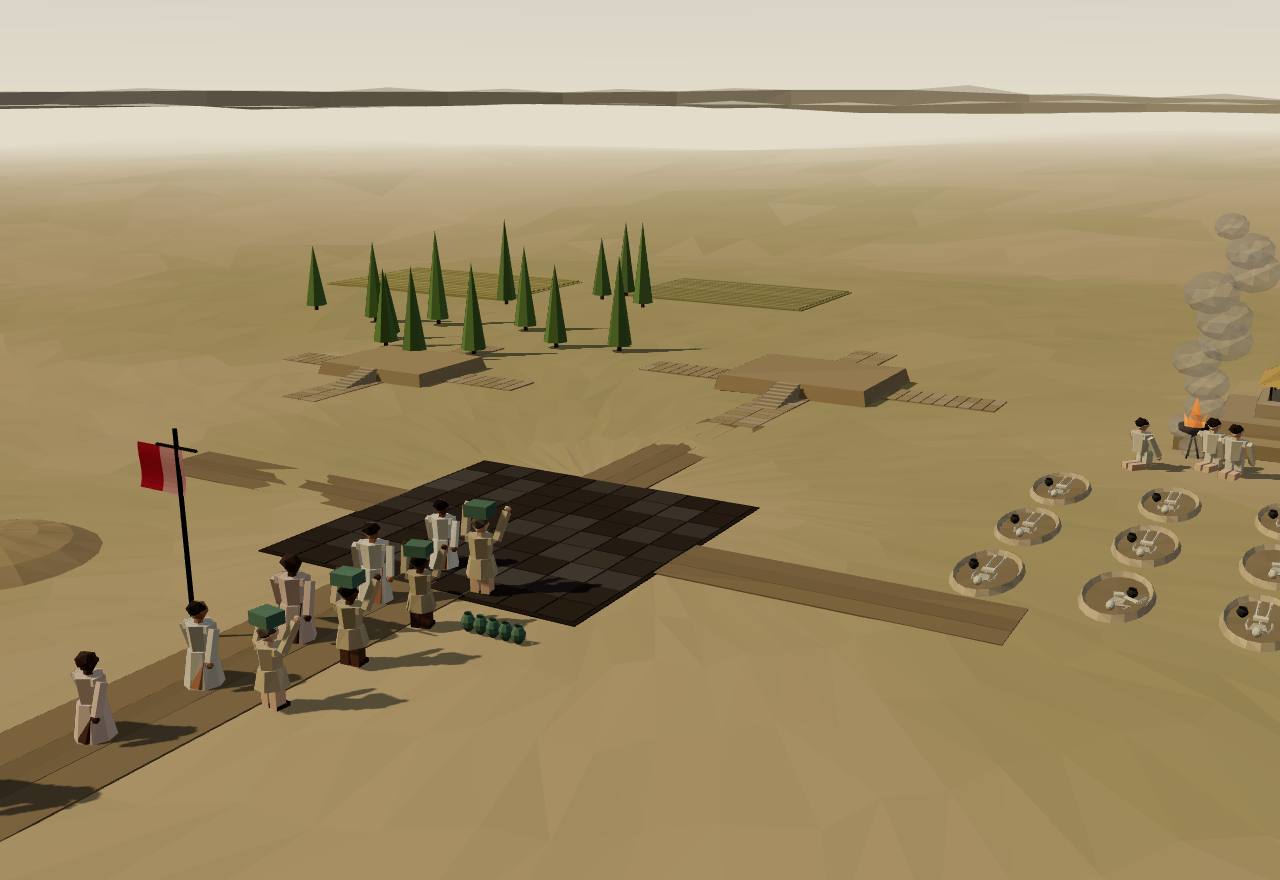
A royal funeral at Xibeigang, Anyang, c. 1200 BCE
1,600 BCE – 1,046 BCE
Shang
The Shang kings ruled from the middle Yellow River. Late Shang is the first Chinese state whose own records survive: questions put to the ancestors, cut into turtle shell and cattle bone at Yinxu, near modern Anyang.
Terms: China: Shang to Han: Shang
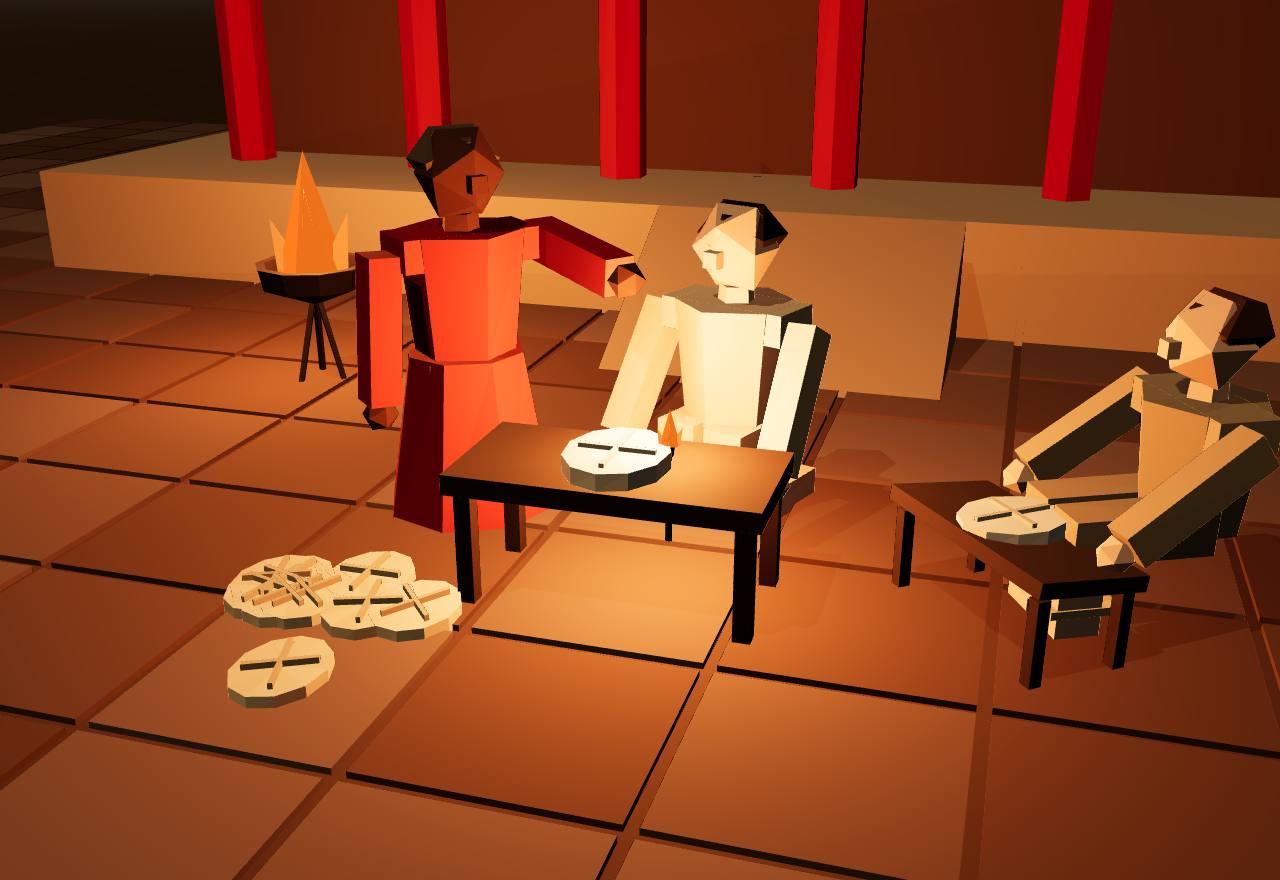
Cracking a turtle shell at the Shang court
At Yinxu (c. 1250–1046 BCE) divination by cracking bone and turtle shell was tied to the court, and in the latest period the king himself acted as chief diviner. A standard procedure, paired hollows cut into each bone before it was heated, ran through the whole Late Shang: the mark of an institution, not of private fortune-telling. 1 Consensus Excavation Texts
Royal diviners are named in the inscriptions, but divination was not the king's alone: bones used by nobles and for ordinary clients were prepared less carefully. More than 90% of known oracle bones carry no inscription at all. 1 Consensus Excavation
The inscriptions are the earliest known written Chinese, from about 1200 BCE, and the earliest contemporary documents of any Chinese dynasty. 5,1 Consensus Texts
Turtle shells were brought to the Shang core from affiliated polities, and the inscriptions record them as an important form of tribute. 1 Consensus Texts
The Late Shang kings were buried at Xibeigang in shaft tombs with a sloping ramp on each of the four sides. The tombs were heavily robbed, but their number matches the Late Shang kings recorded in the oracle bones and later histories. 2 Consensus Excavation Texts
Royal power was renewed through the dead: oracle bones record rituals performed at the royal tombs, a shrine stood over the tomb of Fu Hao, a wife of King Wu Ding, and the eastern part of the cemetery held a continuous sequence of sacrificial pits. 2 Consensus Excavation Texts
How big Shang was depends on whose map: Cliopatria draws the Shang polity at about 154,000 km², a seventh of Seshat's estimate of 1,000,000 km² for Late Shang. 6 Seshat Debated Survey
Mizoguchi and Uchida read the order of the royal tombs as politics: later tombs were placed to honour, to outrank or to pair with earlier ones, which hints at rival factions within the royal lineage. 2 Speculative Excavation
Kingship stayed in one lineage but did not always pass from father to son: several sons of Wu Ding reigned in turn, and strict father-to-son succession is recorded only from Wu Yi to the end of the dynasty. 2 Consensus Texts
Seshat estimates the Erligang polity (1650–1250 BCE) at 350,000–400,000 km² and 2–3 million people, and Late Shang at about 1,000,000 km² and 5 million people, and codes no constraint on the king by any other body. Seshat Debated
How power worked King · Heredity · None in practice
How power worked
- Who rules
- King Consensus
Why?
- How chosen
- Heredity Consensus
Why?
- Limits on power
- None in practice Debated
Why?
- Scale
- Territorial state Debated
Why?
- Claim to rule
- Divine mandate Consensus
Why?
- Who has a say
- A narrow elite Consensus
Why?
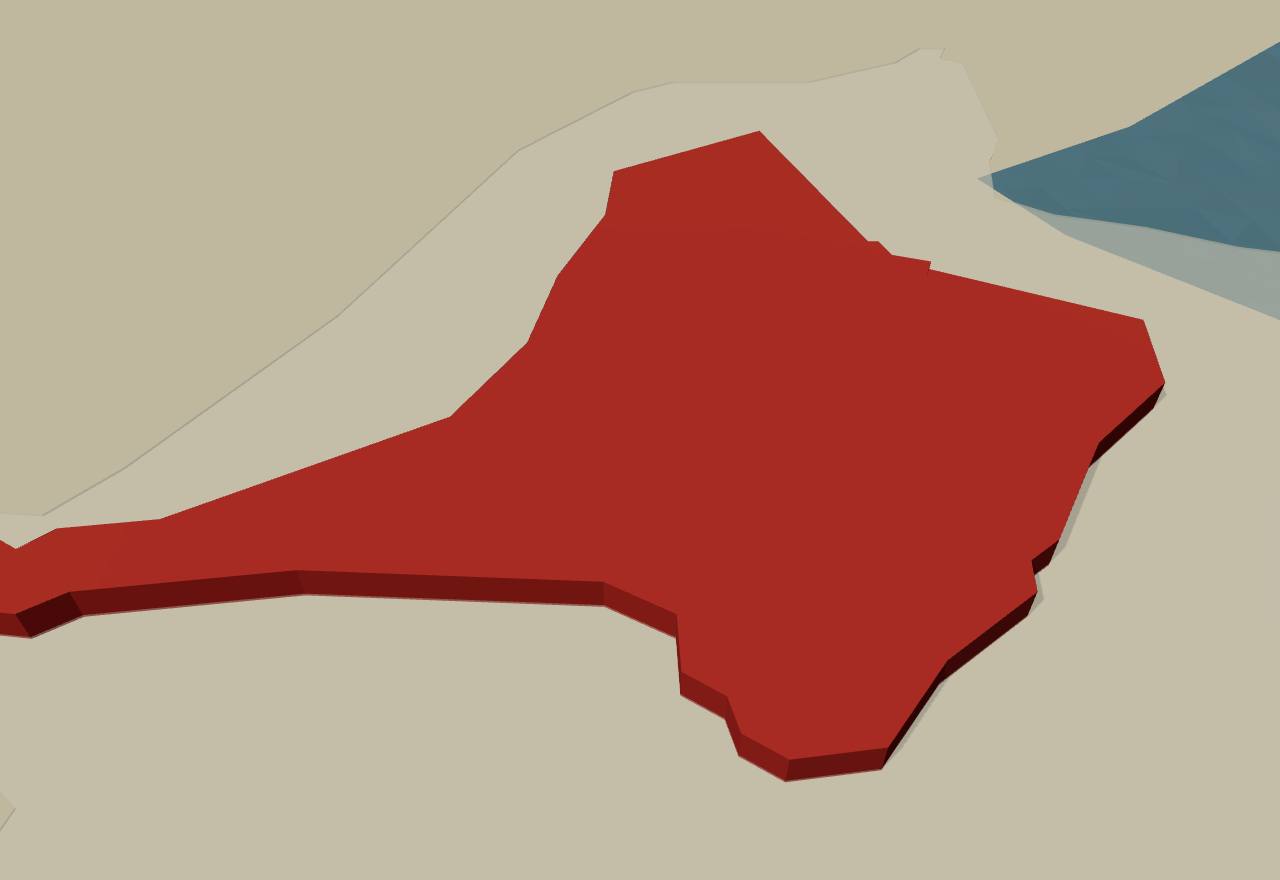
Shang territory (Cliopatria), 1500–1050 BCE
Territory: Cliopatria (CC BY 4.0), simplified. Height: Seshat population, log scale.
1,046 BCE – 771 BCE
Western Zhou
The Zhou, from the Wei River valley in the west, overthrew the Shang and planted their kinsmen, with settlers, as lords of the conquered east. Bronze vessels cast for those lords are the period's archive.
Terms: China: Shang to Han: Western Zhou
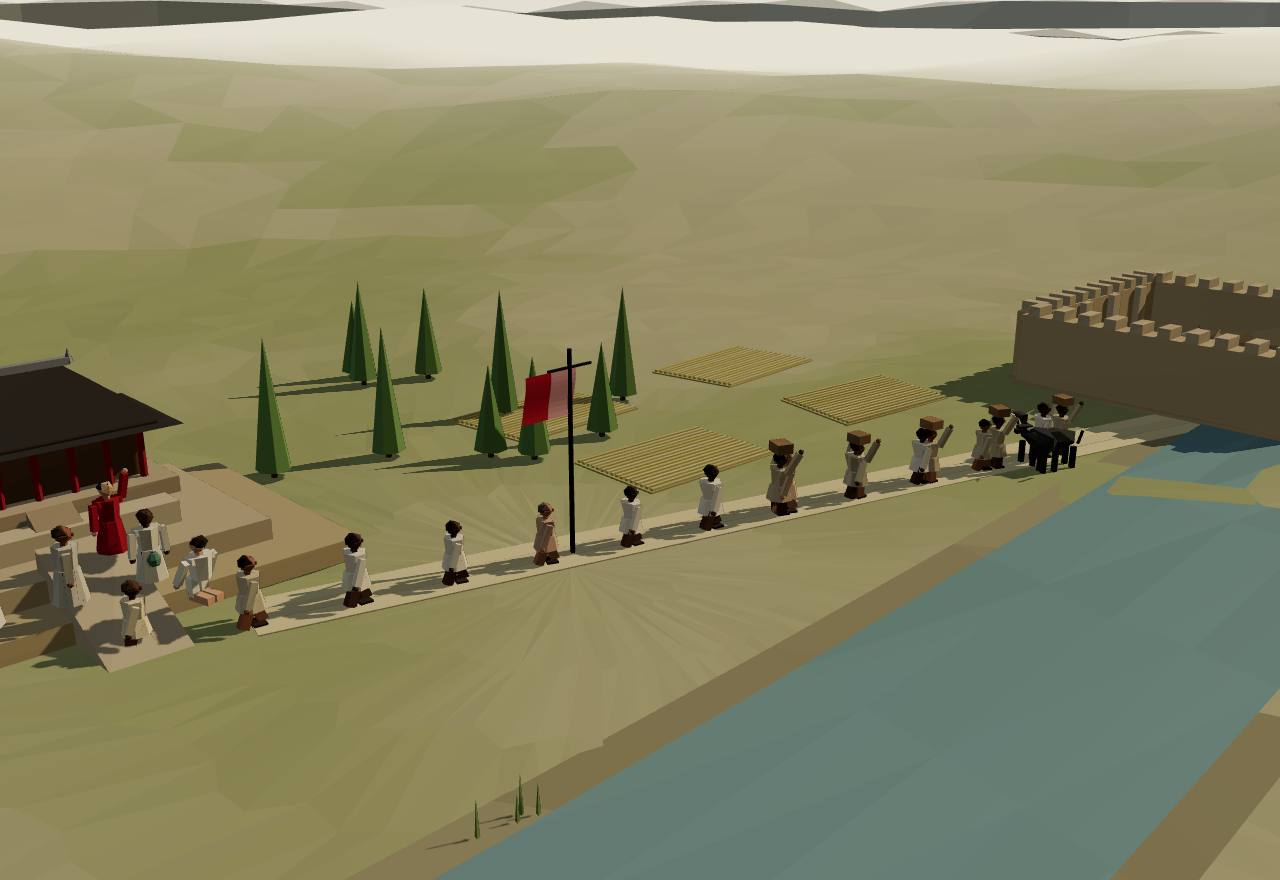
A lord sent east from the Zhou capital, c. 1000 BCE
King Wu of Zhou conquered the Shang (r. 1046–1043 BCE), and the rebellion of Wu Geng, a Shang heir, in 1042–1039 BCE changed how the conquered east was held. 10 Consensus Texts
Under the system later called fengjian, the king recognised royal kinsmen and trusted vassals as lords of regional states and sent them east with Zhou settlers, given to the lord and his heirs in perpetuity unless the king decreed otherwise. Other regional polities already existed and were simply confirmed. 10 Consensus Texts Excavation
Some historians now call these settlements colonies of the Zhou heartland; in Yan, in the north, the settlers stayed materially distinct from the local groups they ruled. The label is contested. 10 Debated Excavation
The royal capitals, Feng and Hao, lay in the Wei River valley close to the western border, not at the realm's centre, where the eastern centre Luoyi stood. Zhou expansion ran east, but the western heartland had to be held first. 3 Consensus Survey Texts
Inscriptions cast in ritual bronze vessels are the main written record: they describe campaigns, the bureaucratic structure of the royal court and lawsuits among the elite, in the exact script of the time. 11,3 Consensus Texts
After King Mu (r. 956–918 BCE) royal control of the east weakened. In 842 BCE rebels stormed the capital and drove King Li into exile in the Fen River valley, from which he never returned. 3 Consensus Texts
In 771 BCE the Western Rong sacked Feng and Hao and killed King You. His son, King Ping, moved the court east to Luoyi: the Zhou royal line survived there for another five centuries, but Zhou royal domination of the Yellow River plain was over. 3 Consensus Texts
Li Feng argues the crisis was structural and spatial: the regional states grew and drew resources away from the royal core, while enemies pressed the western frontier. 3 Debated Survey Texts
Heaven's mandate (tianming) belonged in Western Zhou usage to the Zhou Son of Heaven alone, as the grant of a single, universal right to rule. 9 Consensus Texts
Seshat estimates the Western Zhou realm at about 850,000 km² throughout, with 9–12 million people early in the dynasty and 13.5 million later. Seshat Debated
How power worked King · Heredity · Custom and kin
How power worked
- Who rules
- King Consensus
Why?
- How chosen
- Heredity Consensus
Why?
- Limits on power
- Custom and kin Debated
Why?
- Scale
- Confederation Debated
Why?
- Claim to rule
- Divine mandate Consensus
Why?
- Who has a say
- A narrow elite Consensus
Why?
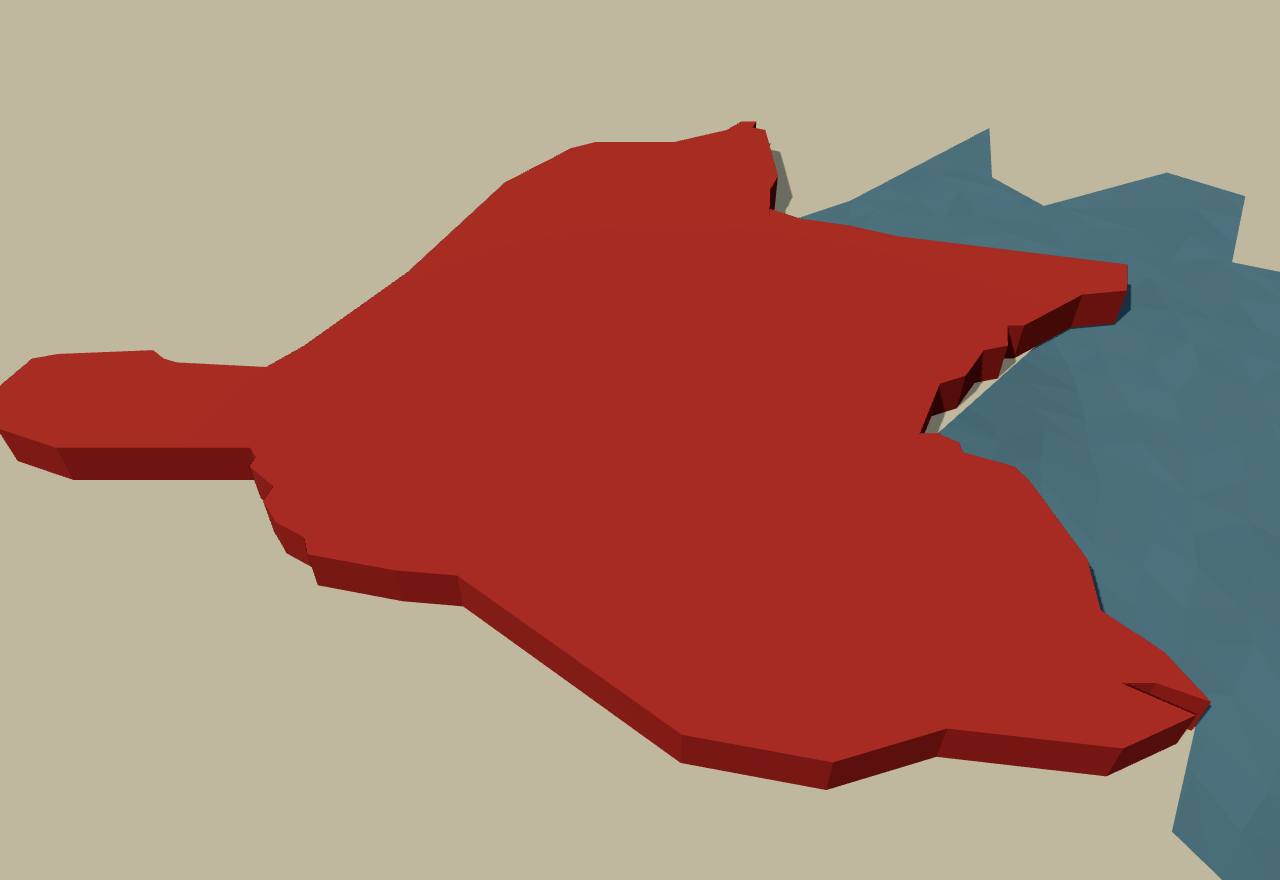
Western Zhou territory (Cliopatria), 1000 and 800 BCE
Territory: Cliopatria (CC BY 4.0), simplified. Height: Seshat population, log scale.
770 BCE – 221 BCE
Spring and Autumn, Warring States
After 771 BCE the Zhou king kept his ritual standing, but power passed to the regional states. Five centuries of rivalry among them built the institutions the empire inherited. Three cases: Jin, the great northern state that its own lineages split apart; Wei, one of its heirs; and Qin, which conquered the rest.
Over the Spring and Autumn period (770–481 BCE) the Zhou order of lords bound to the king became a system of rival states, and a society organised by family became one of far greater social mobility. 14 Consensus Texts
From 656 BCE to about 300 BCE attempts at domination were checked again and again: hegemons rose and fell and rough balances of power recurred, much as in early modern Europe. 15 Consensus Texts
In the Warring States period (481–221 BCE) the old league of cities ruled by Zhou nobility gave way to territorial states under unchallenged monarchs, whose dependent officials registered peasant households in order to impose universal military service. 16,17 Consensus Texts
With Zhou authority gone, tianming could mean a regional lord's hegemony, the right to rule one state, or plain fate, and many doubted that Heaven guaranteed political order at all. 9 Consensus Texts
Warring States thinkers backed an all-powerful universal monarch while knowing that real rulers were often inept, and declared their dedication to the people while opposing any input by commoners into politics. 18 Consensus Texts
Seshat codes the Zhou court of the Warring States with five administrative levels, full-time bureaucrats, a formal legal code and no examination system. Seshat DB Consensus
Jin770 BCE – 404 BCE
Jin was the dominant northern state of the Spring and Autumn period. Its great ministerial lineages bound followers to themselves by sworn covenants and in the end divided the state among themselves.
Terms: China: Shang to Han: Spring and Autumn, Warring States, Jin
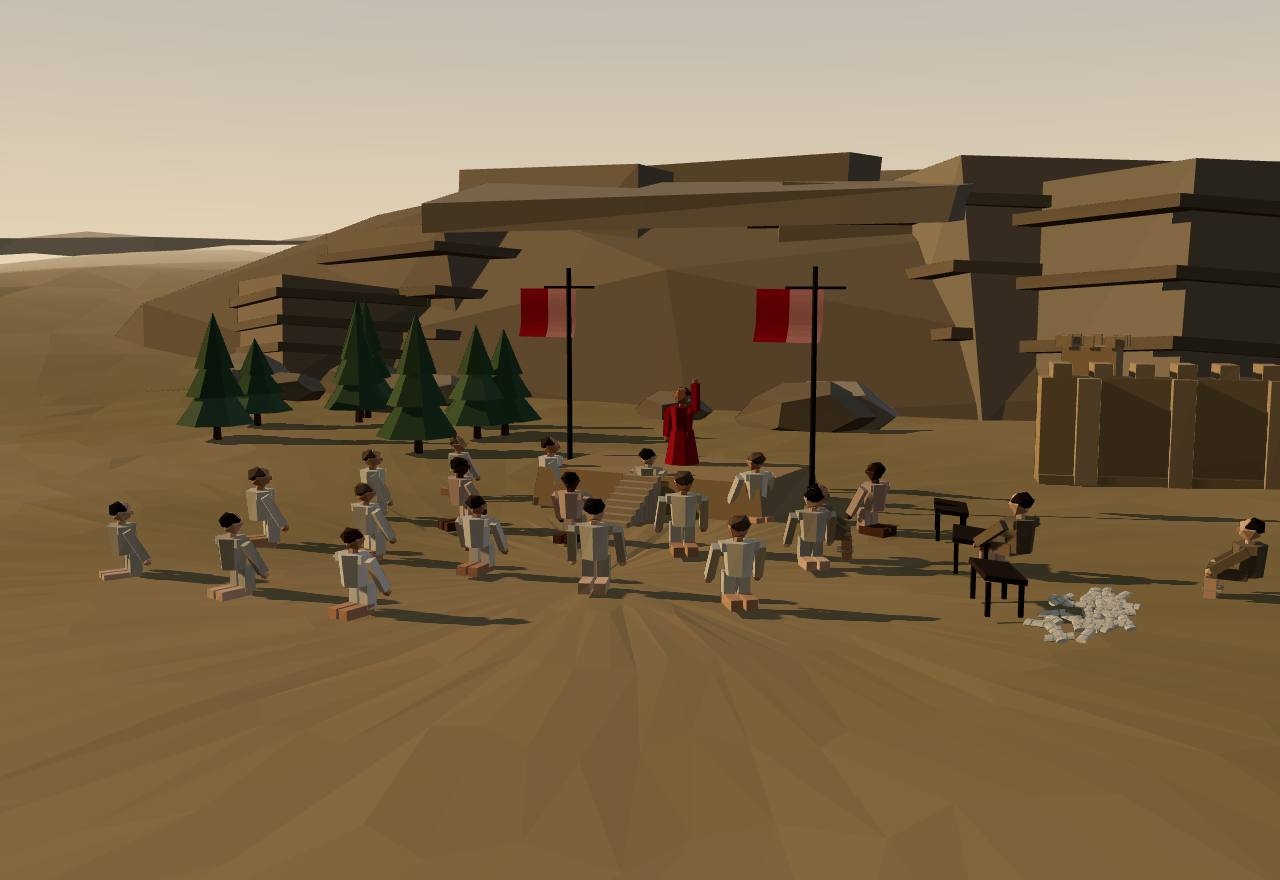
Swearing a lineage covenant in Jin, 5th century BCE
Seshat codes Jin (780–404 BCE, at its peak in 632 BCE) at about 160,000 km², ruled from Jiang with four administrative levels, and calls its degree of centralisation “loose”. Seshat Consensus
At Houma and Wenxian several thousand covenant texts, written with brush and ink, record oaths by which men bound themselves to a covenant lord. 19,21 Consensus Excavation Texts
Some Houma covenants name Zhao Jia, head of the Zhao lineage, as covenant lord, which dates them to about 442–424 BCE; the spirit called to witness was a mountain spirit, not a former lord of Jin. Power was being sworn to a lineage head, not to the ruler of Jin. 21 Debated Texts
The covenants' curse, “wipe out that shì”, threatened the oath-breaker and his direct male descendants: the earliest references in a legal setting to collective punishment, later familiar from Qin law. 19,20 Consensus Texts
Seshat lists Zhao, Wei and Qin as Jin's successors, and Wei's own record names Jin as the polity it came from. Seshat Consensus
Already in Jin Seshat finds full-time bureaucrats, a formal legal code and promotion by merit, with no impeachment but some check on the ruler from outside the government. Seshat Consensus
How power worked Feudal monarch · Heredity · Custom and kin
How power worked
- Who rules
- Feudal monarch Debated
Why?
- How chosen
- Heredity Consensus
Why?
- Limits on power
- Custom and kin Debated
Why?
- Scale
- Territorial state Consensus
Why?
- Claim to rule
- Kinship and descent Debated
Why?
- Who has a say
- Lineage heads Consensus
Why?
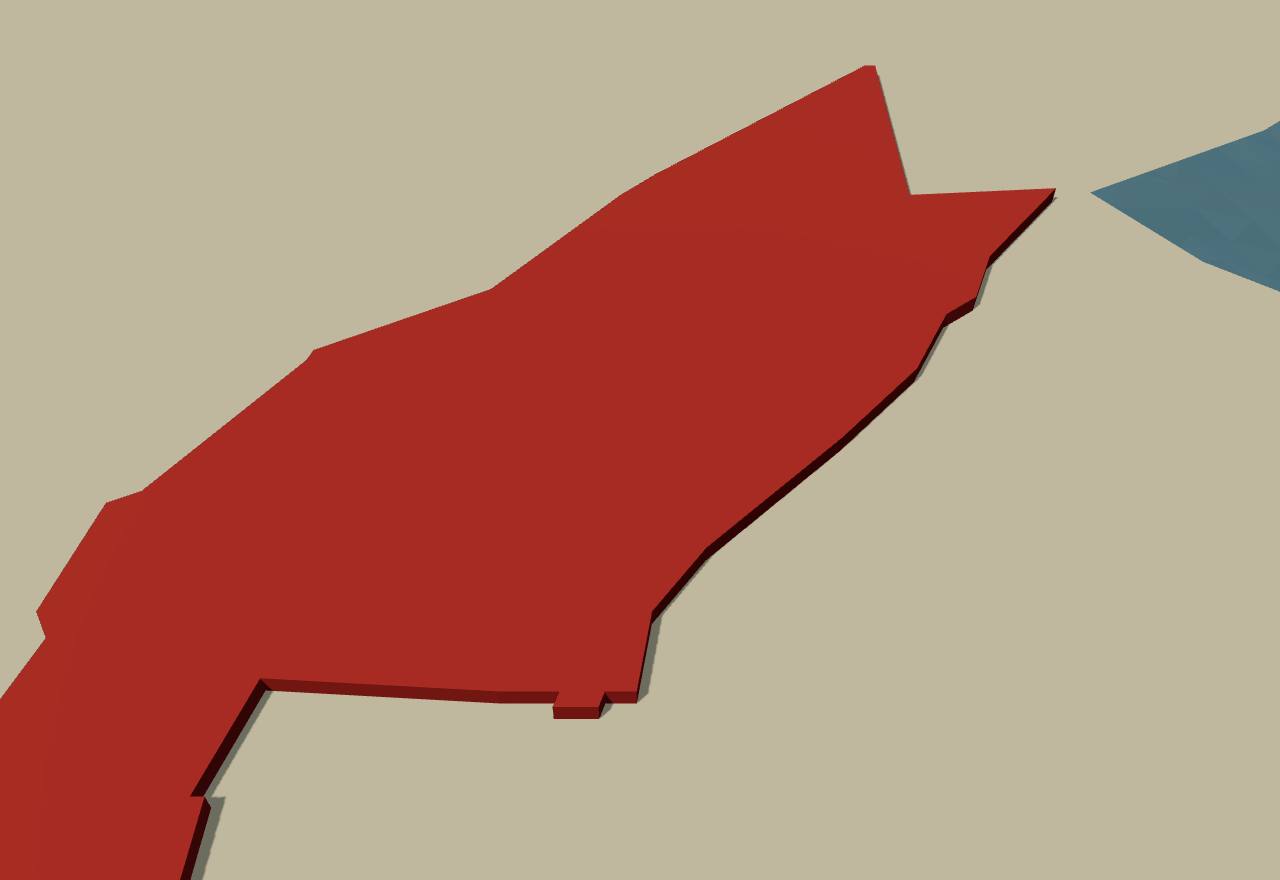
The state of Jin (Cliopatria), 700–450 BCE
Territory: Cliopatria (CC BY 4.0), simplified. Height fixed: population not coded in Seshat.
Wei445 BCE – 225 BCE
Wei was one of the three states carved out of Jin. Seshat codes it as a fully equipped Warring State: iron, crossbows, professional soldiers and a salaried bureaucracy.
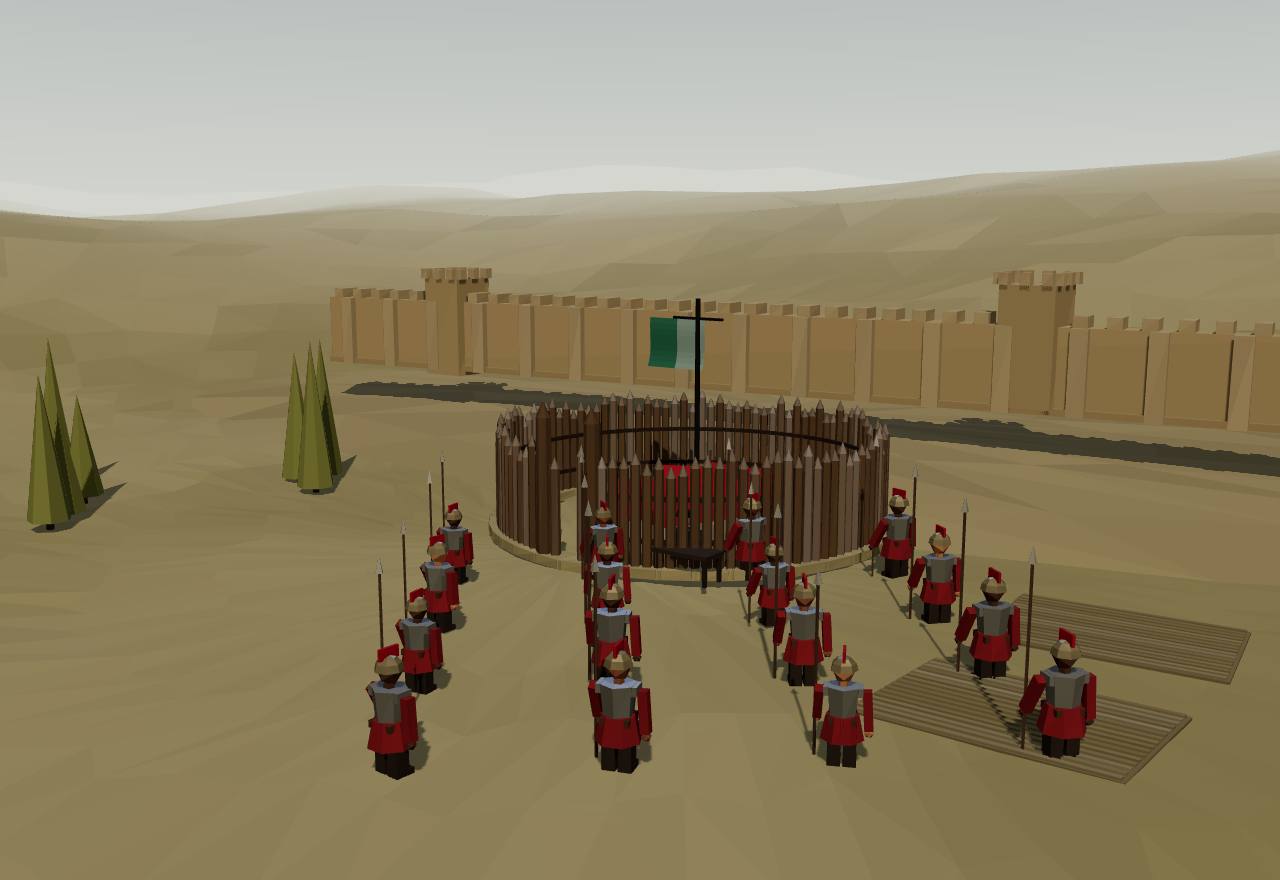
A Wei frontier in the Warring States, 4th century BCE
Seshat dates Wei 445–225 BCE, names Jin as the polity it came from and Imperial Qin as the one that followed, and gives Daliang as its capital. Seshat Consensus
Wei was smaller than Jin had been: about 90,000 km² at its peak in 353 BCE, against Jin's 160,000, but with five administrative levels to Jin's four. Seshat Consensus
Seshat codes iron, crossbows and professional soldiers and officers as present in Warring States Wei; for Spring and Autumn Jin it codes neither iron nor the crossbow. Seshat Consensus
Wei's towns are coded with earth ramparts, fortified camps and complex fortifications: in the Warring States, territory was held by walls as well as armies. Seshat Consensus
Seshat codes Wei with full-time bureaucrats, a formal legal code and courts, and probable promotion by merit but no examination system: the dependent officials through whom Warring States monarchs ruled. 16 Seshat Consensus
Seshat finds no constraint on Wei's ruler by the government or by anyone outside it, yet codes impeachment as probably present: the monarch was unchecked, his officials were not. Seshat Debated
How power worked King · Heredity · None in practice
How power worked
- Who rules
- King Consensus
Why?
- How chosen
- Heredity Consensus
Why?
- Limits on power
- None in practice Debated
Why?
- Scale
- Territorial state Consensus
Why?
- Claim to rule
- Divine mandate Debated
Why?
- Who has a say
- A narrow elite Consensus
Why?
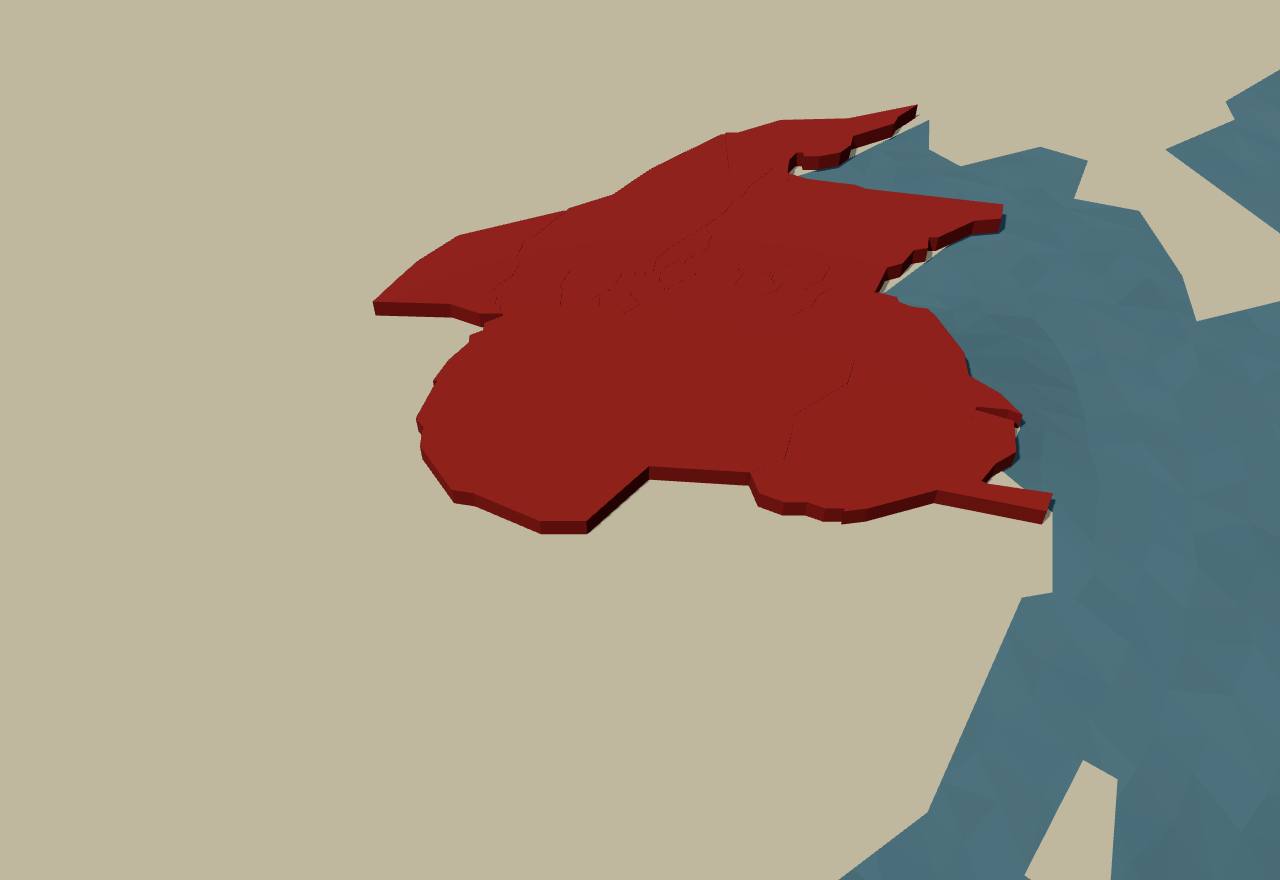
The states of the Zhou world (Cliopatria), 750–222 BCE
Territory: Cliopatria (CC BY 4.0), simplified. Height: Seshat population, log scale; darker, fixed-height slices are not coded.
The state of Qin770 BCE – 221 BCE
Qin began as a small western state. From the mid-fourth century BCE its reforms put every household under county officials and every man at the state's disposal, and it conquered the others one by one.
Terms: China: Shang to Han: Spring and Autumn, Warring States, The state of Qin
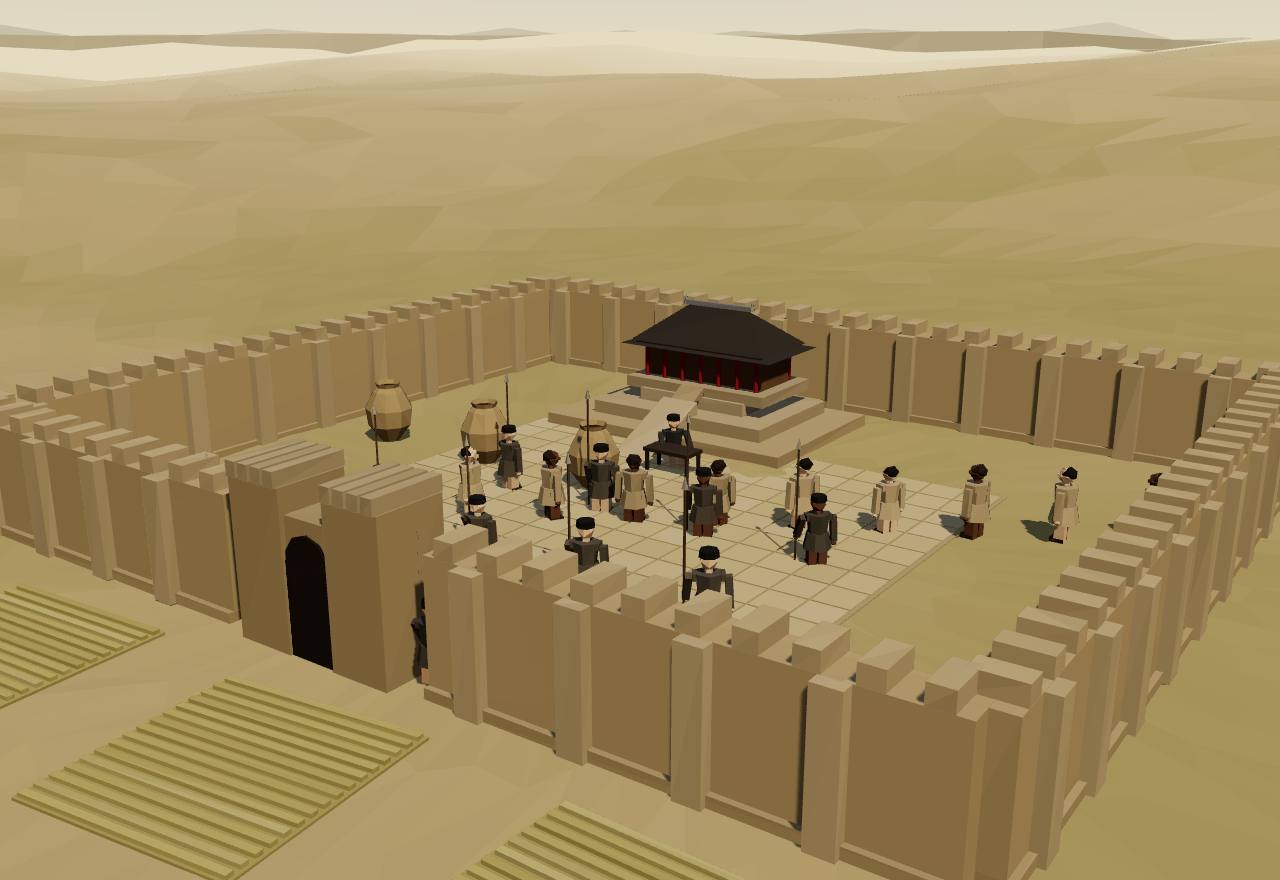
A Qin county seat, 4th–3rd century BCE
Qin long existed as a small state: its traditional founding date is 897 BCE, but it began its march toward universal rule only around the middle of the fourth century BCE. 4 Consensus Texts
Shang Yang divided Qin into 31 counties (xian), each run by a magistrate appointed by the centre. Seshat DB Consensus Texts
Registering households, first for conscription, came with the rise of autocratic states like Qin; it remained a cornerstone of the imperial state. 17,16 Consensus Texts
From 356 BCE Qin rose from relative weakness to hegemony and then to domination, building the capacity for direct rule and moving toward total mobilisation for war. 15 Consensus Texts
Qin was more bureaucratic than any state before the seventeenth century, but far from completely so: officials were hard to monitor, so it leaned on severe penalties and redundant posts and kept full bureaucracy to the top of the system. 23 Debated Model Texts
Seshat's estimates of Qin territory climb from 340,000 km² in 290 BCE to 820,000 in 270 and 1,300,000 in 250, after a doubling with the conquest of Shu in 316 BCE. Seshat DB Debated
Stratagems in the spirit of Sunzi let Qin divide and conquer, keep its war costs down and stop the other states catching up once it was ahead. 15 Debated Texts
How power worked King · Heredity · Written law
How power worked
- Who rules
- King Consensus
Why?
- How chosen
- Heredity Consensus
Why?
- Limits on power
- Written law Debated
Why?
- Scale
- Territorial state Consensus
Why?
- Claim to rule
- Force Debated
Why?
- Who has a say
- A narrow elite Debated
Why?
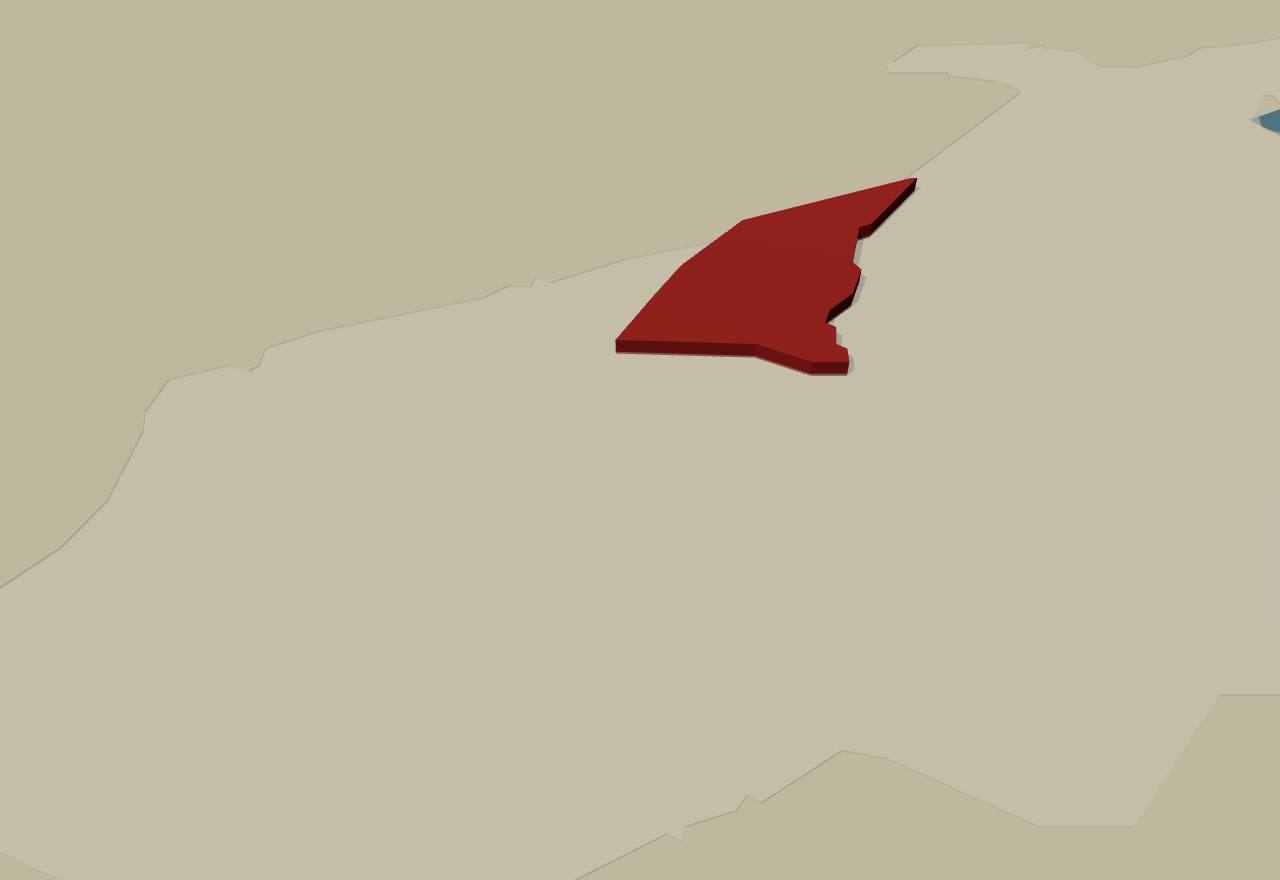
The state of Qin (Cliopatria), 700–230 BCE
Territory: Cliopatria (CC BY 4.0), simplified. Height: Seshat population, log scale; darker, fixed-height slices are not coded.
221 BCE – 206 BCE
The Qin empire
In 221 BCE the king of Qin finished off the last of the other states and took a new title. His dynasty lasted fifteen years; its commanderies, counties and written rules outlived it by two thousand.
Terms: China: Shang to Han: The Qin empire
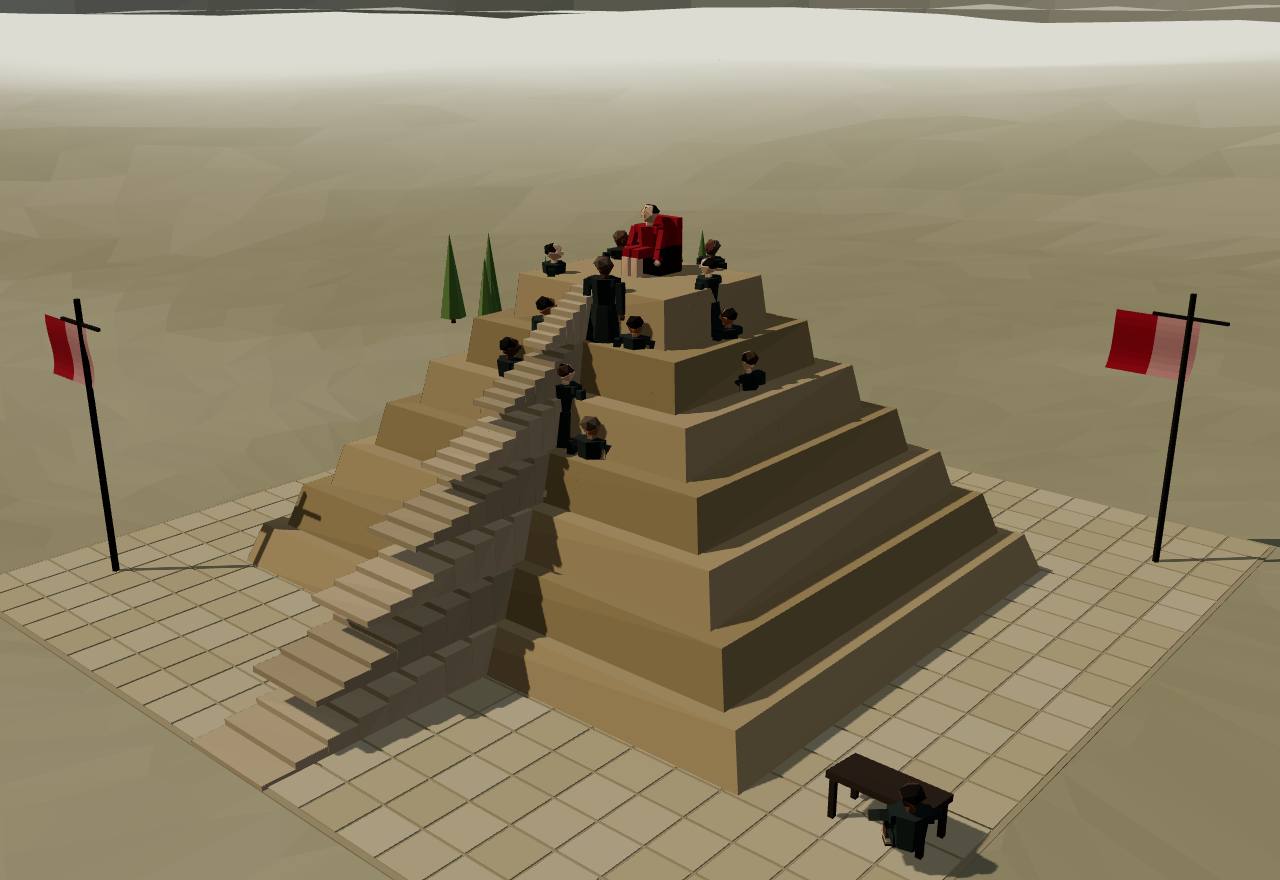
Tiers of administration, from Seshat
The year 221 BCE marks the shift from Qin state to empire. The dynasty lasted only fifteen years before civil war ended it in 206 BCE, yet the changes it made gave the period an importance out of all proportion to its length. 4 Consensus Texts
The new ruler deliberately searched for a suitable title and took huangdi, “emperor”; patron elements (water, then earth, then fire) were adopted in succession to place the dynasty in a cosmic order. Even Qin sought religious sanction. 13 Consensus Texts
Seshat codes seven administrative levels, from the emperor and the central government down to officials of districts, communes and hamlets: some 36 commanderies under appointed governors, divided into about 1,000 counties under appointed officials. Seshat DB Consensus Texts
At Liye a well in a fortress held more than 38,000 pieces of wood, nearly half of them written, mostly from the archive of Qianling county in 222–208 BCE. Ordinances fixed the size of writing tablets: a tablet a tenth of an inch (0.23 cm) out of measure was fined two suits of armour. 22 Consensus Excavation Texts
Local scribes followed some standards closely (tablet length, the fixed entries on grain tallies) and departed from others, apparently tolerated: rules were obeyed where they made sense in daily work, not simply because fines threatened. 22 Consensus Excavation Texts
The First Emperor's mausoleum, begun in 247 BCE, holds about 7,000 life-sized clay soldiers, officers and horses in battle formation in three pits. Clay was processed centrally and handed out to workshops, which built the figures from identical moulded parts and marked them for checking. 24 Consensus Excavation
The mausoleum's workforce may have reached 700,000 craftsmen and labourers drawn from across the empire, some of them slaves who may have been executed once their work was done. 24 Debated Texts
The Great Wall came into existence as one system of fortifications with the founding of the Qin empire in 221 BCE, the end point of a long separation between the Central Plain and the northern zone. 25 Consensus Excavation Texts
Qin and Han rulers held a vast, diverse empire together partly through a common script for written communication. 26 Consensus Texts
How power worked Emperor · Heredity · Written law
How power worked
- Who rules
- Emperor Consensus
Why?
- How chosen
- Heredity Consensus
Why?
- Limits on power
- Written law Debated
Why?
- Scale
- Empire Consensus
Why?
- Claim to rule
- Force Debated
Why?
- Who has a say
- A narrow elite Consensus
Why?
Tiers of administration
Data: Seshat (Equinox CC BY 4.0; seshat-db.com)
Zhou court, Warring States 5 levels Seshat DB
- level 1
- level 2
- level 3
- level 4
- level 5
Wei, Warring States 5 levels Seshat
- level 1
- level 2
- level 3
- level 4
- level 5
Qin 7 levels Seshat DB
- King/Emperor
- Central government
- Officials in charge of commanderies
- Officials in charge of districts
- Officials in charge of communes
- Officials in charge of hamlets
- level 7
Western Han 7–8 levels Seshat
- level 1
- level 2
- level 3
- level 4
- level 5
- level 6
- level 7
- possible further level
Eastern Han 7 levels Seshat
- level 1
- level 2
- level 3
- level 4
- level 5
- level 6
- level 7
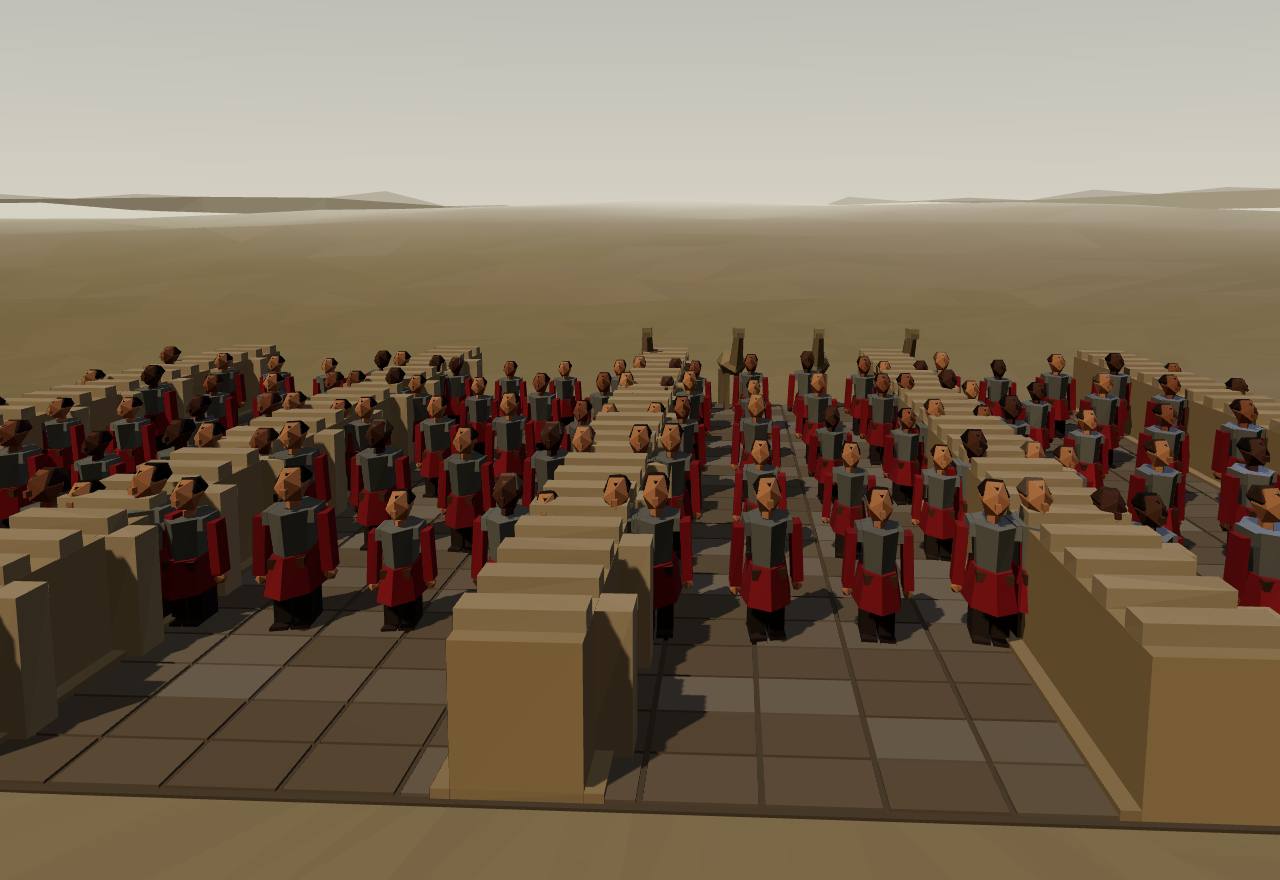
Pit 1 of the First Emperor's terracotta army
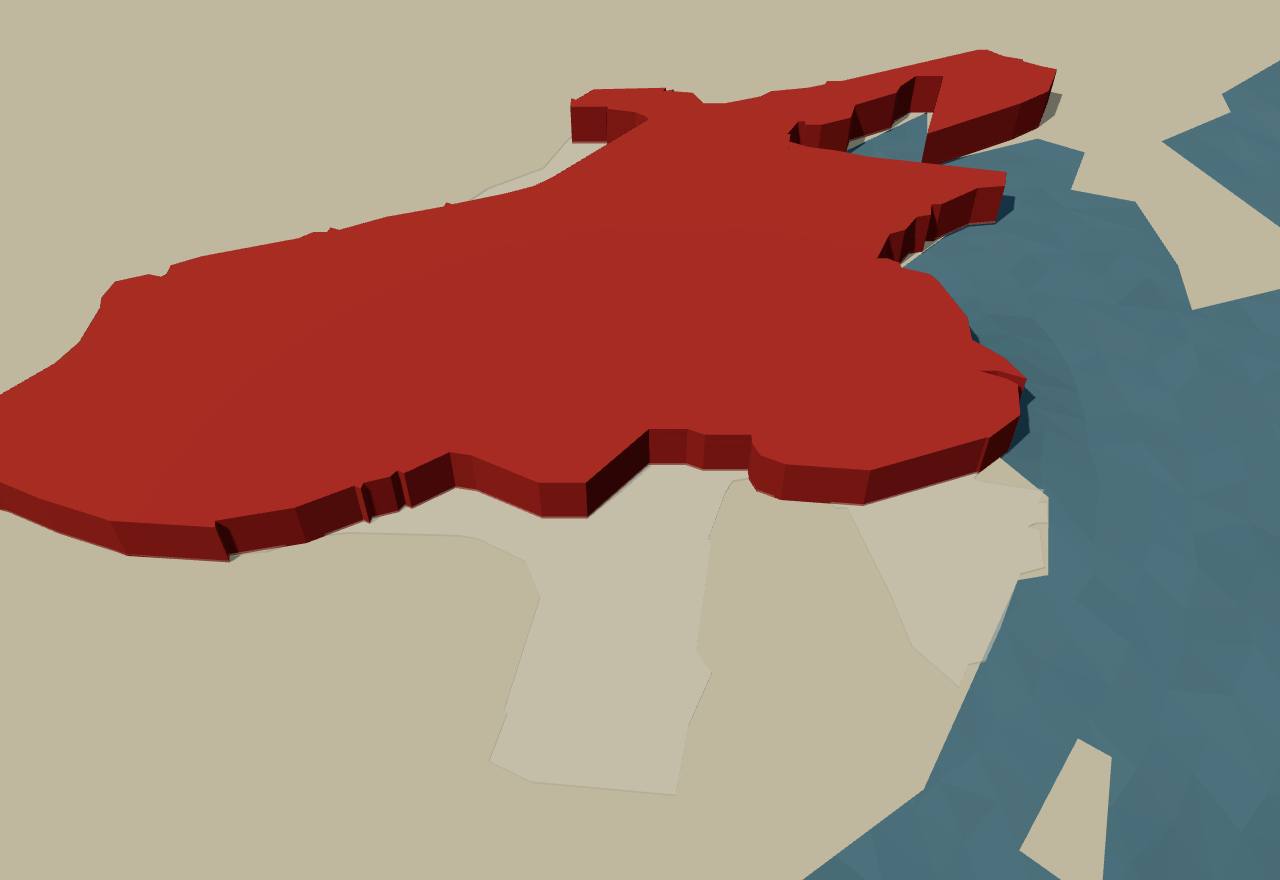
The Qin empire (Cliopatria), 218–210 BCE
Territory: Cliopatria (CC BY 4.0), simplified. Height: Seshat population, log scale.
202 BCE – 220 CE
Han
The Han kept the Qin's commanderies, counties and statutes but justified them in moral terms, and that pairing of compulsion and Heaven's favour became the norm for two thousand years.
Terms: China: Shang to Han: Han
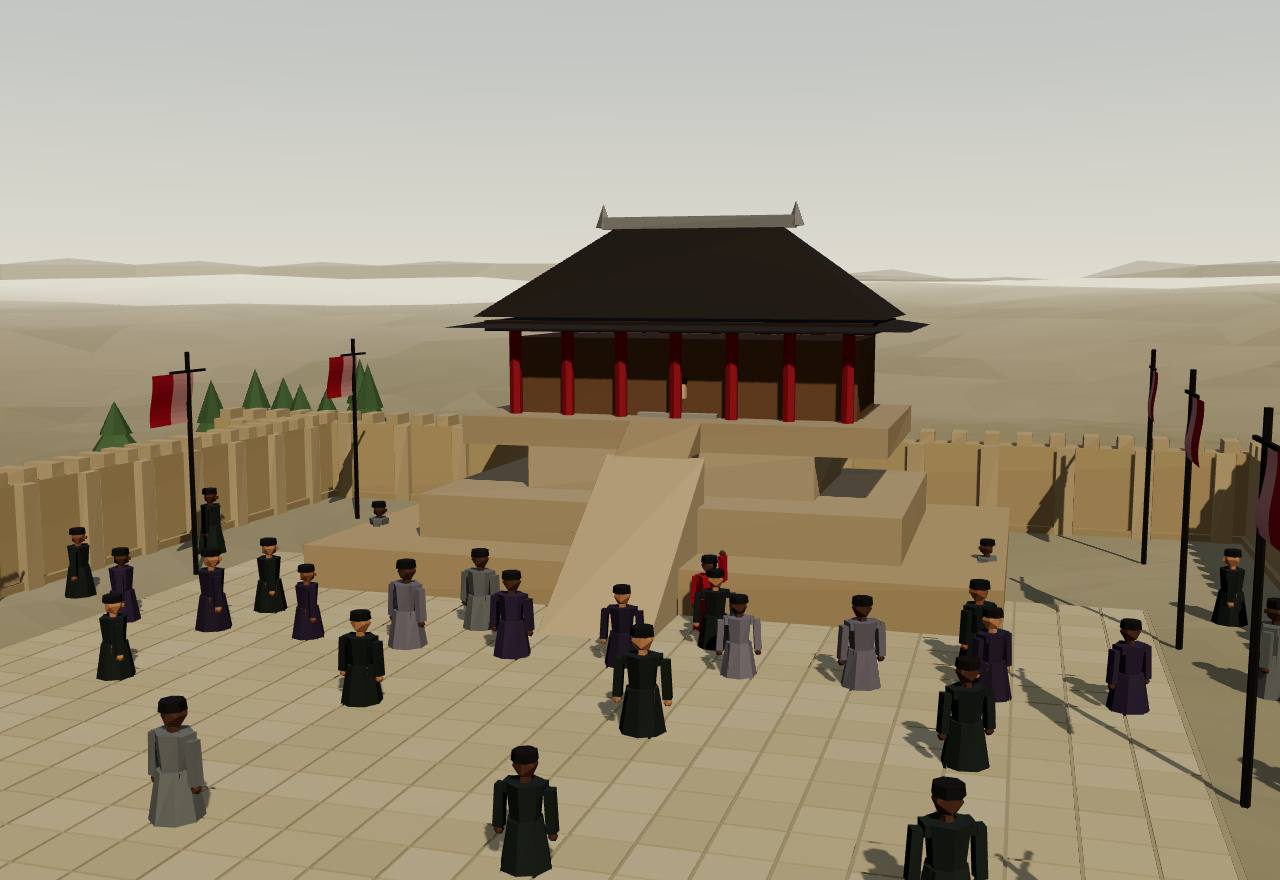
A morning audience at the Han court
Before the Han, imperial government had been an experiment and had been discredited; after the Han, centralised government by a single emperor and his officials was the accepted norm. 27 Consensus Texts
Qin rulers and the first Han statesmen justified power by territory and victory; later Han emperors sought a moral and intellectual justification that put their rule in superhuman terms. Government still rested, in the last resort, on compulsion. 27 Consensus Texts
In the Han state cult Heaven was the supreme deity and the emperor, the Son of Heaven, ruled by its favour: a founder received the mandate for his merit, and a dynasty's last ruler lost it, with omens and portents announcing each. 12,13 Consensus Texts
Wang Mang overthrew the Former Han house and tried to found his own dynasty, the Xin; the restored Han historians wrote him up as a usurper, which makes a fair assessment hard. 12 Seshat Consensus Texts
Han government divided responsibilities, duplicated some offices and ranked officials in hierarchies so that no one person concentrated power. Office was open in theory to all men, but merchants and shamans were sometimes barred and a wealth qualification sometimes applied. 29 Consensus Texts
An official's status was set on a scale from stipends of 10,000 bushels of grain down to assistant clerks; from 23 BCE the scale had eighteen ranks. 30 Consensus Texts
Seshat records Eastern Han population to the single person, from 21,007,820 in 57 CE to 56,486,856 in 157 CE, but gives Western Han as a range, 45–60 million; household registration was a cornerstone of the imperial state. 17 Seshat Consensus Texts
Seshat's Han territory grows from about 2.4 million km² in 200 BCE to 4.9 million by 1 CE, peaks at 6.5 million in 100 CE and falls to 2.5 million by 200. Seshat Debated
A tomb at Zhangjiashan preserved early Han statutes from twenty-seven collections, with case records, on slavery, rank, households, inheritance, labour service and markets. 28 Consensus Excavation Texts
When Emperor Huan died in 168 CE without an heir, his widow, as empress dowager, chose the next emperor with her father; court eunuchs fought the officials for power. The Yellow Turban revolt of 184 effectively ended Han authority long before the last emperor abdicated in 220. 31,32 Consensus Texts
How power worked Emperor · Heredity · Council
How power worked
- Who rules
- Emperor Consensus
Why?
- How chosen
- Heredity Consensus
Why?
- Limits on power
- Council Debated
Why?
- Scale
- Empire Consensus
Why?
- Claim to rule
- Divine mandate Debated
Why?
- Who has a say
- A narrow elite Consensus
Why?
Han population as Seshat records it
Data: Seshat Equinox, CC BY 4.0
Table
| Years | Population | Form | Seshat polity |
|---|---|---|---|
| 200 BCE – 9 CE | 45,000,000–60,000,000 | rounded figure or range | CnWHan* |
| 1 CE | 57,600,000 | rounded figure or range | CnWHan* |
| 57 CE | 21,007,820 | given to the single person | CnEHan* |
| 75 CE | 34,125,021 | given to the single person | CnEHan* |
| 88 CE | 43,356,367 | given to the single person | CnEHan* |
| 105 CE | 53,256,219 | given to the single person | CnEHan* |
| 125 CE | 48,690,789 | given to the single person | CnEHan* |
| 126 CE – 141 CE | 480,000–53,869,588 | suspect (range under a tenth of its top) | CnEHan* |
| 142 CE – 144 CE | 49,150,220–49,730,550 | rounded figure or range | CnEHan* |
| 146 CE | 47,556,772 | given to the single person | CnEHan* |
| 156 CE | 50,066,856 | given to the single person | CnEHan* |
| 157 CE | 56,486,856 | given to the single person | CnEHan* |
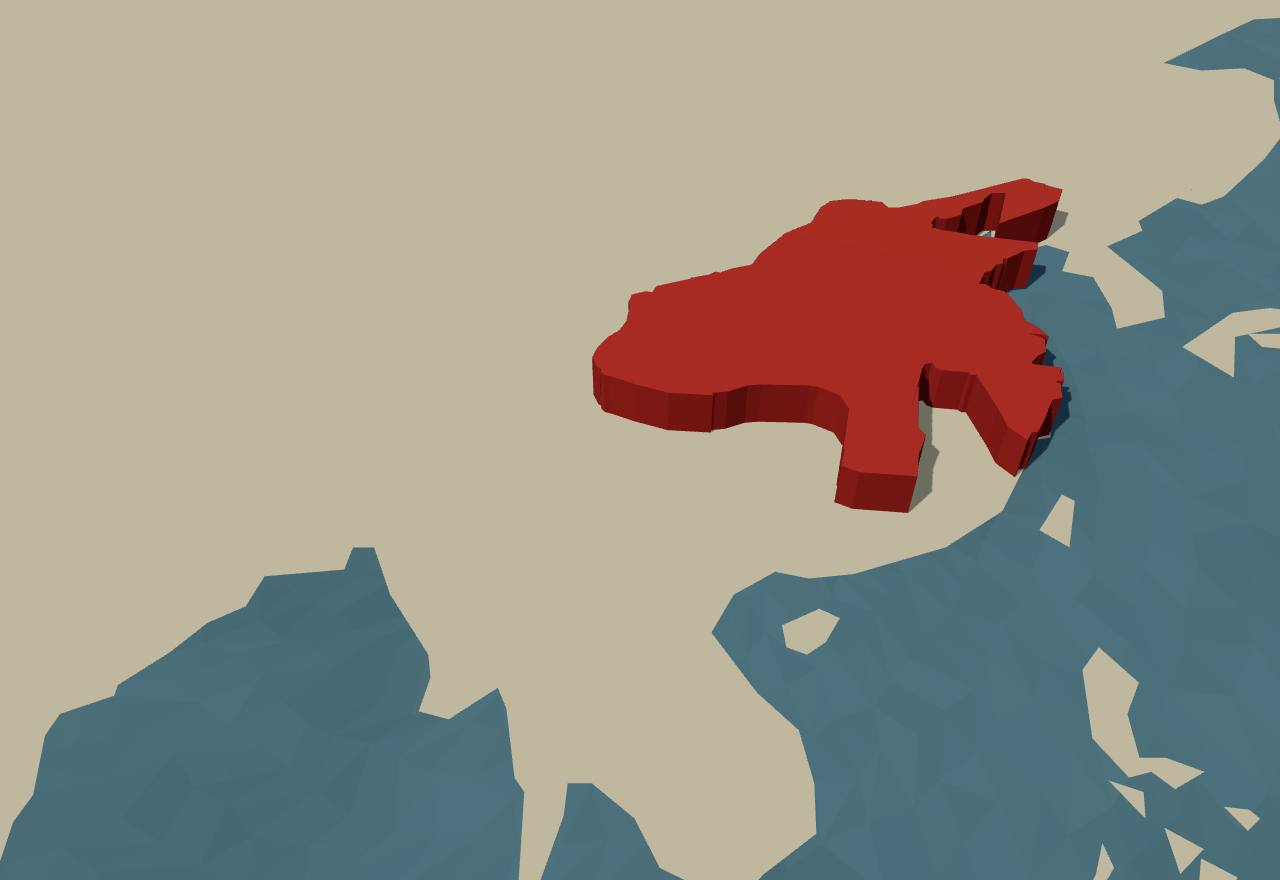
The Han empire (Cliopatria), 195 BCE – 200 CE
Territory: Cliopatria (CC BY 4.0), simplified. Height: Seshat population, log scale.
Artefacts
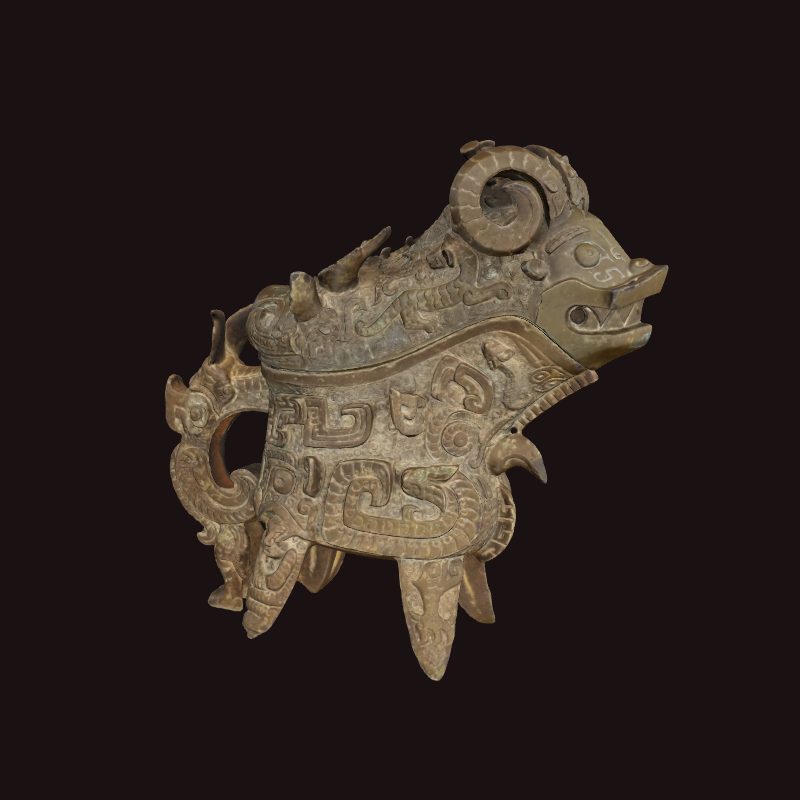
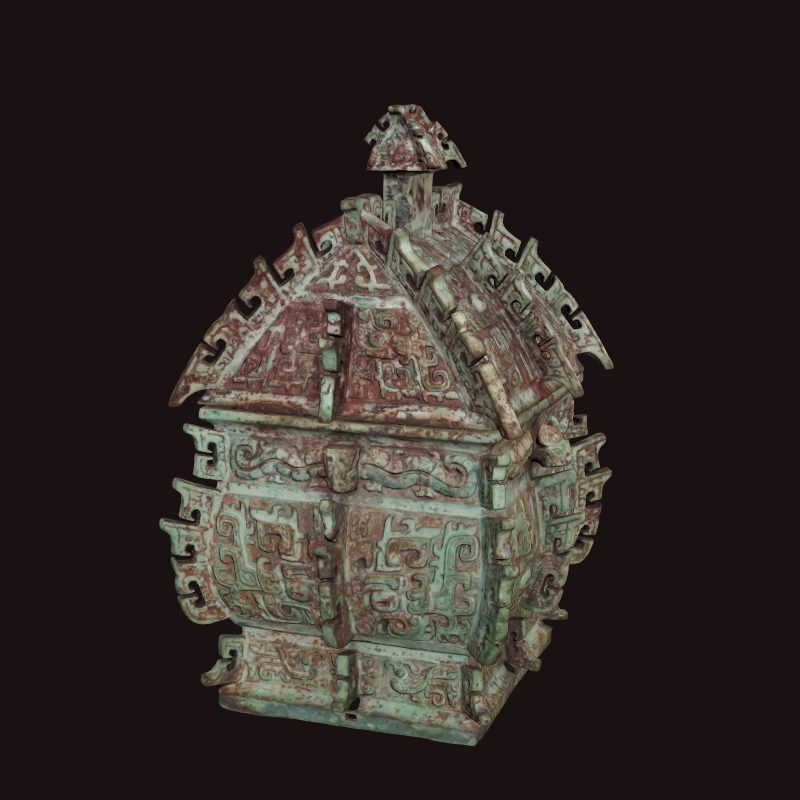
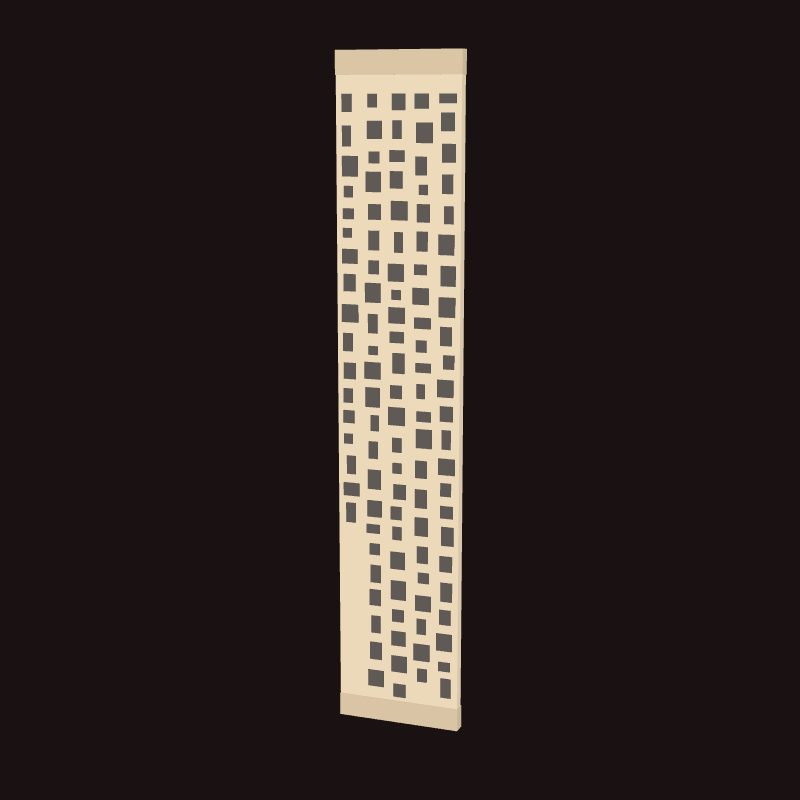 Model, not a scan
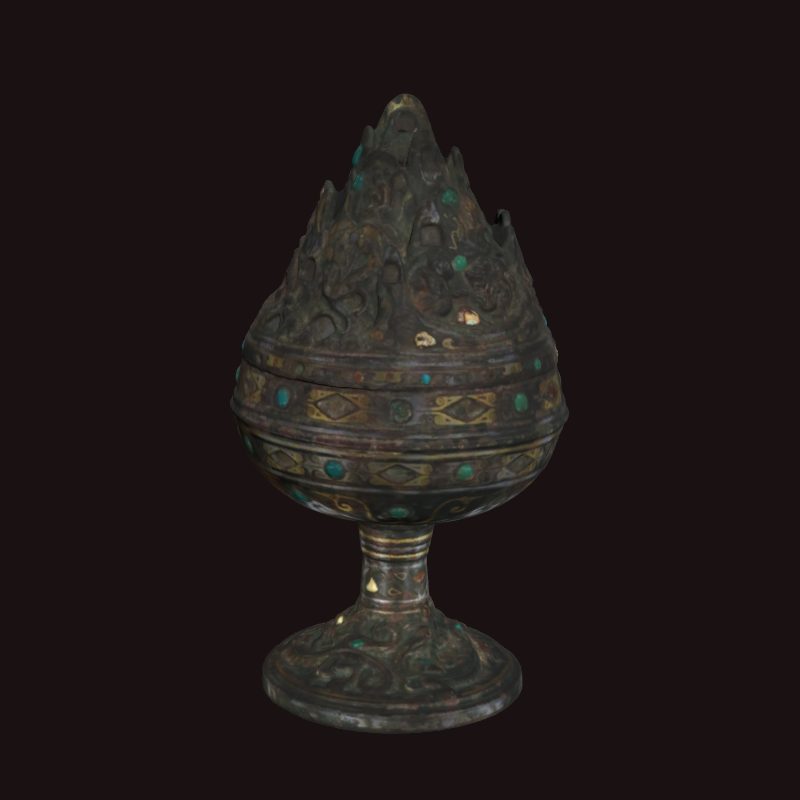
In numbers
- Marks, by Seshat polity:
- Erligang
- Late Shang
- Western Zhou
- Jin State - Spring and Autumn Period
- Wei State - Warring States Period
- Eastern Zhou
- Qin Empire
- Western Han
- Eastern Han
- Background bands, by phase:
- Shang
- Western Zhou
- Spring and Autumn, Warring States
- The Qin empire
- Han
| Seshat polity | Years | Value |
|---|---|---|
| Erligang | 1,650 BCE – 1,250 BCE (whole period) | 350,000–400,000 |
| Late Shang | 1,250 BCE – 1,045 BCE (whole period) | 1,000,000 |
| Western Zhou | 1,100 BCE | 850,000 |
| Western Zhou | 1,000 BCE | 850,000 |
| Western Zhou | 900 BCE | 850,000 |
| Western Zhou | 800 BCE | 850,000 |
| Jin State - Spring and Autumn Period | 780 BCE – 404 BCE (whole period) | 160,000 |
| Wei State - Warring States Period | 445 BCE – 225 BCE (whole period) | 90,000 |
| Qin Empire | 290 BCE | 340,000 |
| Qin Empire | 270 BCE | 820,000 |
| Qin Empire | 250 BCE | 1,300,000 |
| Qin Empire | 230 BCE | 1,967,000 |
| Qin Empire | 210 BCE | 2,433,000 |
| Western Han | 200 BCE | 2,433,000 |
| Western Han | 100 BCE | 4,567,000 |
| Western Han | 1 CE | 4,917,000 |
| Eastern Han | 100 CE | 6,500,000 |
| Eastern Han | 120 CE | 5,344,000 |
| Eastern Han | 140 CE | 4,633,000 |
| Eastern Han | 160 CE | 3,922,000 |
| Eastern Han | 180 CE | 3,211,000 |
| Eastern Han | 200 CE | 2,500,000 |
| Seshat polity | Years | Value |
|---|---|---|
| Erligang | 1,650 BCE – 1,250 BCE (whole period) | 2,000,000–3,000,000 |
| Late Shang | 1,250 BCE – 1,045 BCE (whole period) | 5,000,000 |
| Western Zhou | 1,045 BCE – 957 BCE | 9,000,000–12,000,000 |
| Western Zhou | 956 BCE – 795 BCE | 13,500,000 |
| Qin Empire | 207 BCE | 40,000,000 |
| Western Han | 200 BCE – 9 CE | 45,000,000–60,000,000 |
| Western Han | 1 CE | 57,600,000 |
| Eastern Han | 57 CE | 21,007,820 |
| Eastern Han | 75 CE | 34,125,021 |
| Eastern Han | 88 CE | 43,356,367 |
| Eastern Han | 105 CE | 53,256,219 |
| Eastern Han | 125 CE | 48,690,789 |
| Eastern Han | 126 CE – 141 CE | 480,000-53,869,588 |
| Eastern Han | 142 CE – 144 CE | 49,150,220-49,730,550 |
| Eastern Han | 146 CE | 47,556,772 |
| Eastern Han | 156 CE | 50,066,856 |
| Eastern Han | 157 CE | 56,486,856 |
| Seshat polity | Years | Value |
|---|---|---|
| Erligang | 1,650 BCE – 1,601 BCE | 78,000–104,000 |
| Erligang | 1,600 BCE – 1,251 BCE | 15,000–26,000 |
| Late Shang | 1,250 BCE – 1,045 BCE (whole period) | 4,000 |
| Western Zhou | 1,045 BCE – 901 BCE | 100,000 |
| Western Zhou | 900 BCE – 795 BCE | 125,000 |
| Qin Empire | 300 BCE | 350,000 |
| Western Han | 202 BCE – 9 CE (whole period) | 250,000–400,000 |
| Qin Empire | 200 BCE | 200,000 |
| Qin Empire | 100 BCE | 200,000 |
| Eastern Han | 100 CE | 420,000 |
| Eastern Han | 200 CE | 100,000 |
| Seshat polity | Years | Value |
|---|---|---|
| Erligang | 1,650 BCE – 1,250 BCE (whole period) | 3–4 |
| Late Shang | 1,250 BCE – 1,045 BCE (whole period) | 4–5 |
| Western Zhou | 1,122 BCE – 771 BCE (whole period) | 4–5 |
| Jin State - Spring and Autumn Period | 780 BCE – 404 BCE (whole period) | 4 |
| Eastern Zhou | 475 BCE – 256 BCE (whole period) | 5 |
| Wei State - Warring States Period | 445 BCE – 225 BCE (whole period) | 5 |
| Qin Empire | 338 BCE – 207 BCE (whole period) | 7 |
| Western Han | 202 BCE – 9 CE (whole period) | 7–8 |
| Eastern Han | 25 CE – 220 CE (whole period) | 7 |
| Seshat polity | Years | Value |
|---|---|---|
| Erligang | 1,650 BCE – 1,250 BCE (whole period) | 3–4 |
| Late Shang | 1,250 BCE – 1,045 BCE (whole period) | 3 |
| Western Zhou | 1,122 BCE – 771 BCE (whole period) | 5 |
| Jin State - Spring and Autumn Period | 780 BCE – 404 BCE (whole period) | 4 |
| Eastern Zhou | 475 BCE – 256 BCE (whole period) | 4–5 |
| Wei State - Warring States Period | 445 BCE – 225 BCE (whole period) | 4–5 |
| Qin Empire | 338 BCE – 207 BCE (whole period) | 5 |
| Western Han | 202 BCE – 9 CE (whole period) | 6 |
| Eastern Han | 25 CE – 220 CE (whole period) | 6 |
| Seshat polity | Years | Value |
|---|---|---|
| Erligang | 1,650 BCE – 1,250 BCE (whole period) | 3 |
| Late Shang | 1,250 BCE – 1,045 BCE (whole period) | 4–5 |
| Western Zhou | 1,122 BCE – 771 BCE (whole period) | 5–7 |
| Jin State - Spring and Autumn Period | 780 BCE – 404 BCE (whole period) | 5 |
| Eastern Zhou | 475 BCE – 256 BCE (whole period) | 4–5 |
| Wei State - Warring States Period | 445 BCE – 225 BCE (whole period) | 4–5 |
| Qin Empire | 338 BCE – 207 BCE (whole period) | 6 |
| Western Han | 202 BCE – 9 CE (whole period) | 7 |
| Eastern Han | 25 CE – 220 CE (whole period) | 7 |
Values as Seshat codes them: bands are ranges, dots single values, flat bars values given for a whole period, hatching “unknown”; from one Seshat polity to the next, marks alternate between a light tone and a darker one with dashed joining lines (the key above names each polity). Source: Seshat Global History Databank (Equinox-2020), CC BY 4.0; and the Seshat Databank, seshat-db.com (no licence stated; attribution).
Governance fingerprint
Seshat's institutional variables, phase by phase. Hover or focus a cell for the values and years.
- Present
- Inferred present
- Absent
- Inferred absent
- Unknown
- Not coded in Seshat
- Mixed: present in one Seshat polity or period, absent in another
The axes against Seshat
13 agree, 1 disagree.
- Disagree Han: limits on power coded “Council”, which implies executive checked by government present; Seshat has it absent.
Show the 13 pairs that agree
- Agree Shang: claim to rule coded “Divine mandate”, which implies rulers legitimated by gods present; Seshat has it present.
- Agree Shang: limits on power coded “None in practice”, which implies executive checked by government absent; Seshat has it absent.
- Agree Shang: how chosen coded “Heredity”, which implies elite status hereditary present; Seshat has it present.
- Agree Western Zhou: claim to rule coded “Divine mandate”, which implies rulers legitimated by gods present; Seshat has it present.
- Agree Western Zhou: how chosen coded “Heredity”, which implies elite status hereditary present; Seshat has it present.
- Agree Spring and Autumn, Warring States: Jin: how chosen coded “Heredity”, which implies elite status hereditary present; Seshat has it present.
- Agree Spring and Autumn, Warring States: Wei: claim to rule coded “Divine mandate”, which implies rulers legitimated by gods present; Seshat has it present.
- Agree Spring and Autumn, Warring States: Wei: limits on power coded “None in practice”, which implies executive checked by government absent; Seshat has it absent.
- Agree Spring and Autumn, Warring States: Wei: how chosen coded “Heredity”, which implies elite status hereditary present; Seshat has it present.
- Agree Spring and Autumn, Warring States: The state of Qin: limits on power coded “Written law”, which implies formal legal code present; Seshat has it present.
- Agree The Qin empire: limits on power coded “Written law”, which implies formal legal code present; Seshat has it present.
- Agree Han: claim to rule coded “Divine mandate”, which implies rulers legitimated by gods present; Seshat has it present.
- Agree Han: how chosen coded “Heredity”, which implies elite status hereditary present; Seshat has it present.
Only pairs where an axis value on its own implies a Seshat variable are compared; the rest is not counted as disagreement. 2 more pairs have no Seshat value.
Source: Seshat Global History Databank (Equinox-2020), CC BY 4.0; Seshat Databank, seshat-db.com (no licence stated; attribution).
Compare
| Axis | China: Shang to Han | Rome: The kings | Achaemenid Persia: Cyrus and Cambyses | Egypt: Unification and the first dynasties |
|---|---|---|---|---|
| Who rules | King | King | Emperor | Divine king |
| How chosen | Heredity | Mixed | Conquest or coup | Heredity |
| Limits on power | None in practice | Council | Custom and kin | Unknown |
| Scale | Territorial state | City-state | Empire | Territorial state |
| Claim to rule | Divine mandate | Divine mandate | Divine mandate | Divine mandate |
| Who has a say | A narrow elite | Unknown | A narrow elite | A narrow elite |
Legacy
The empire founded in 221 BCE lasted 2,132 years, until the Republic of China replaced it in 1912. Its rivals and conquerors adopted its premise of unity under a single monarch, while the details of rule were constantly renegotiated. 36 Consensus
The empire was imagined before it existed: Warring States thinkers argued for a universal monarch, and Yuri Pines holds that this ideological appeal is what let the empire re-form after each period of division. 18,36 Debated
The Han made centralised government under one emperor respectable: after them it was the accepted norm for organising the state until almost the end of the nineteenth century. 27 Consensus
The name Qin is very probably the ancestor of “China” in other languages; Greek and Roman writers of the first and second centuries CE call the country Thinai or Sinai. 4 Debated
See also forms of government and the country edition.
Sources
Bibliography
36 sources, numbered as cited: 12 papers · 20 books · 1 dataset · 3 primary sources
- Paper Flad, R. K. (2008). Divination and Power: A Multiregional View of the Development of Oracle Bone Divination in Early China. Current Anthropology 49. Read in full (Harvard DASH author copy): oracle-bone divination from the Neolithic to Zhou; Late Shang standardisation at Anyang.
- Paper Mizoguchi, K., Uchida, J. (2018). The Anyang Xibeigang Shang royal tombs revisited: a social archaeological approach. Antiquity 92. Read in full (open access): chronology and placement of the Xibeigang royal tombs at Anyang.
- Book Feng, L. (2006). Landscape and Power in Early China: The Crisis and Fall of the Western Zhou 1045–771 BC. Cambridge University Press. Chapter summaries read (Cambridge Core): the Western Zhou state's geography, mid-Western Zhou decline, the 842 BC expulsion of King Li, the fall of 771 BC and the move to Luoyi, the legacy chapter.
- Book Bodde, D. (1986). The state and empire of Ch'in. In D. Twitchett and M. Loewe (eds), The Cambridge History of China, vol. 1: The Ch'in and Han Empires, Cambridge University Press. Chapter opening read: Qin as a state from the traditional date 897 BC; empire 221–206 BC; later resentment of its harshness.
- Book Boltz, W. G. (1999). Language and Writing. In M. Loewe and E. L. Shaughnessy (eds), The Cambridge History of Ancient China, Cambridge University Press. Chapter opening read: the earliest known written record of Chinese, c. 1200 BC.
- Dataset Bennett, J. S., Mutch, E., Tollefson, A., et al. (2025). Cliopatria - A geospatial database of world-wide political entities from 3400BCE to 2024CE. Scientific Data 12. Cliopatria: open geospatial dataset of over 1600 political entities, 3400 BCE–2024 CE.
- Paper Keightley, D. N. (1979). The Shang State as Seen in the Oracle-Bone Inscriptions. Early China 5. Abstract read: Shang state criteria documented from oracle-bone inscriptions; the 'Shang theocrat'.
- Paper Campbell, R. B. (2009). Toward a Networks and Boundaries Approach to Early Complex Polities: The Late Shang Case. Current Anthropology 50. Abstract read: Late Shang as networks of power and authority rather than a bounded 'state'.
- Paper Luo, X., Pines, Y. (2023). The Elusive Mandate of Heaven: Changing Views of Tianming 天命 in the Eastern Zhou Period. T'oung Pao 109. Abstract read: tianming in the Eastern Zhou, dissociated from universal rule after 771 BC and revived by Han ideologues.
- Paper Christopher, J. T. (2025). Colonialism and Diaspora in Early China. Early China 48. Read in full (open access): the Western Zhou fengjian settlements as colonies; the diaspora after 771 BC.
- Book Shaughnessy, E. L. (1992). Sources of Western Zhou History: Inscribed Bronze Vessels. University of California Press. Book abstract read: inscribed bronze vessels as the major documentary source for the Western Zhou.
- Book Bielenstein, H. (1986). Wang Mang, the restoration of the Han dynasty, and Later Han. In D. Twitchett and M. Loewe (eds), The Cambridge History of China, vol. 1: The Ch'in and Han Empires, Cambridge University Press. Chapter opening read: Heaven's mandate in the Han state cult; historiography of Wang Mang.
- Book Loewe, M. (1986). The concept of sovereignty. In D. Twitchett and M. Loewe (eds), The Cambridge History of China, vol. 1: The Ch'in and Han Empires, Cambridge University Press. Chapter opening read: the title huangdi, patron elements, omens as Heaven's warnings.
- Book Hsu, C.-y. (1999). The Spring and Autumn Period. In M. Loewe and E. L. Shaughnessy (eds), The Cambridge History of Ancient China, Cambridge University Press. Chapter summary read: from a Zhou feudal system to a multistate system, 770–481 BC.
- Book Hui, V. T.-b. (2005). War and State Formation in Ancient China and Early Modern Europe. Cambridge University Press. Chapter summaries read (Cambridge Core): the Spring and Autumn and Warring States as a multistate system (656–221 BC); 'logic of balancing' vs 'logic of domination'; Qin's rise from 356 BC.
- Book Lewis, M. (1999). Warring States Political History. In M. Loewe and E. L. Shaughnessy (eds), The Cambridge History of Ancient China, Cambridge University Press. Chapter summary read: Warring States territorial states, dependent officials, registration of peasant households for universal military service.
- Book Von Glahn, R. (2012). Household Registration, Property Rights, and Social Obligations in Imperial China: Principles and Practices. In Registration and Recognition, British Academy. Abstract read: household registration for conscription in the first millennium BC and the first empires.
- Book Pines, Y. (2008). Envisioning Eternal Empire: Chinese Political Thought of the Warring States Era. University of Hawai'i Press. Book abstract read (Oxford Academic): Warring States thinkers envisioned the universal monarch, the shi elite and 'the people'.
- Paper Williams, C. (2014). Scribal variation and the meaning of the houma and wenxian covenant texts' imprecation ma yi fei shi 麻夷非是. Early China 37. Abstract read: several thousand brush-written covenant texts (mengshu) from Houma and Wenxian.
- Paper Williams, C. (2011). Early references to collective punishment in an excavated Chinese text: analysis and discussion of an imprecation from the Wenxian covenant texts. Bulletin of the School of Oriental and African Studies 74. Abstract read: the Wenxian covenant texts' imprecation and early collective punishment.
- Paper Williams, C. (2013). Dating the Houma Covenant Texts: The Significance of Recent Findings from the Wenxian Covenant Texts. Early China 35. Abstract read: dating the Houma covenant texts; the Zhao lineage leader Zhao Jia as covenant lord, c. 442–424 BC.
- Paper Staack, T. (2023). The pragmatics of standardization: document standards and their implementation in Qin administration (late third century BCE). Bulletin of the School of Oriental and African Studies 86. Read in full (open access): Qin document standards and their implementation at Liye (Qianling county), 222–208 BC.
- Paper Kiser, E., Cai, Y. (2003). War and Bureaucratization in Qin China: Exploring an Anomalous Case. American Sociological Review 68. Abstract read: why Qin bureaucratized; long severe warfare weakened the aristocracy; monitoring problems led to severe sanctions.
- Paper Quinn, P. S., Zhang, S., Xia, Y., et al. (2017). Building the Terracotta Army: ceramic craft technology and organisation of production at Qin Shihuang's mausoleum complex. Antiquity 91. Read in full (open access): clay recipes and workshop organisation of the Terracotta Army.
- Book Di Cosmo, N. (1999). The Northern Frontier in Pre–Imperial China. In M. Loewe and E. L. Shaughnessy (eds), The Cambridge History of Ancient China, Cambridge University Press. Chapter opening read: the northern frontier; the Great Wall as a unified system from 221 BC.
- Book Lewis, M. E. (2010). The Early Chinese Empires: Qin and Han. Harvard University Press. Publisher description read: the emperor as divine embodiment of the state, common script, state canon, the great families.
- Book Loewe, M. (1986). The Former Han dynasty. In D. Twitchett and M. Loewe (eds), The Cambridge History of China, vol. 1: The Ch'in and Han Empires, Cambridge University Press. Chapter opening read: the Han imperial ideal; Qin harshness 'if we may believe our sources'; moral justification of rule.
- Book Barbieri-Low, A. J., Yates, R. D. (2015). Law, State, and Society in Early Imperial China (2 vols): A Study with Critical Edition and Translation of the Legal Texts from Zhangjiashan Tomb no. 247. BRILL. Publisher description and contents read (Brill): the Zhangjiashan tomb 247 Statutes and Ordinances of the Second Year (early Han) and the Book of Submitted Doubtful Cases.
- Book Loewe, M. (1986). The structure and practice of government. In D. Twitchett and M. Loewe (eds), The Cambridge History of China, vol. 1: The Ch'in and Han Empires, Cambridge University Press. Chapter opening read: Qin and Han civil service; division of responsibilities; recruitment.
- Book Bielenstein, H. (1986). The institutions of Later Han. In D. Twitchett and M. Loewe (eds), The Cambridge History of China, vol. 1: The Ch'in and Han Empires, Cambridge University Press. Chapter opening read: Later Han institutions; eighteen ranks from 23 BC.
- Book Mansvelt Beck, B. J. (1986). The fall of Han. In D. Twitchett and M. Loewe (eds), The Cambridge History of China, vol. 1: The Ch'in and Han Empires, Cambridge University Press. Chapter opening read: the crisis of 168 CE; empress dowagers, eunuchs and the choice of emperors.
- Book Loewe, M. (1986). Introduction. In D. Twitchett and M. Loewe (eds), The Cambridge History of China, vol. 1: The Ch'in and Han Empires, Cambridge University Press. Chapter opening read: 221 BC to AD 220 as the volume's frame; the Yellow Turban revolt of AD 184 as the real end of Han imperial authority.
- Primary National Museum of Asian Art, Smithsonian Institution (2020). Ritual wine ewer (gong) with masks (taotie), dragons, and real animals, F1961.33a-b: 3D scan (Voyager). Record (asia.si.edu/object/F1961.33a-b): ca. 1100–1050 BCE, probably late Shang, late Anyang period; bronze, 32.2 × 32.2 × 15.7 cm. CC0 on the EDAN record.
- Primary National Museum of Asian Art, Smithsonian Institution (2020). Ritual wine container (fangyi) with masks (taotie), serpents, and birds, F1930.54a-b: 3D scan (Voyager). Record (asia.si.edu/object/F1930.54a-b): ca. 1100 BCE, Early Western Zhou; bronze, 35.3 × 24.8 × 23.3 cm. CC0 on the EDAN record.
- Primary National Museum of Asian Art, Smithsonian Institution (2020). Lidded incense burner (xianglu) with geometric decoration and narrative scenes, F1947.15a-b: 3D scan (Voyager). Record (asia.si.edu/object/F1947.15a-b): ca. 2nd century BCE, Early Western Han; bronze with gold, silver, turquoise and carnelian inlay. CC0 on the EDAN record.
- Book Pines, Y. (2012). The Everlasting Empire: The Political Culture of Ancient China and Its Imperial Legacy. Princeton University Press. Book abstract read: unity under a single monarch as a shared premise; rigid principles, flexible implementation.
Quantitative values from the Seshat Global History Databank (Equinox-2020), licensed CC BY 4.0. Dataset: Seshat Equinox Packaged Data (v.1). See also Seshat: The Global History Databank (Turchin et al. 2015).
Values for polities Equinox-2020 does not cover come from the Seshat Databank at seshat-db.com (Seshat: Global History Databank), snapshotted from its API on 2026-11-16. No licence is stated on seshat-db.com; used with attribution. Snapshot: Seshat Databank API (seshat-db.com), social-complexity and general variables.