From kings chosen in the tradition to emperors made by soldiers
Rome
753 BCE – 476 CE
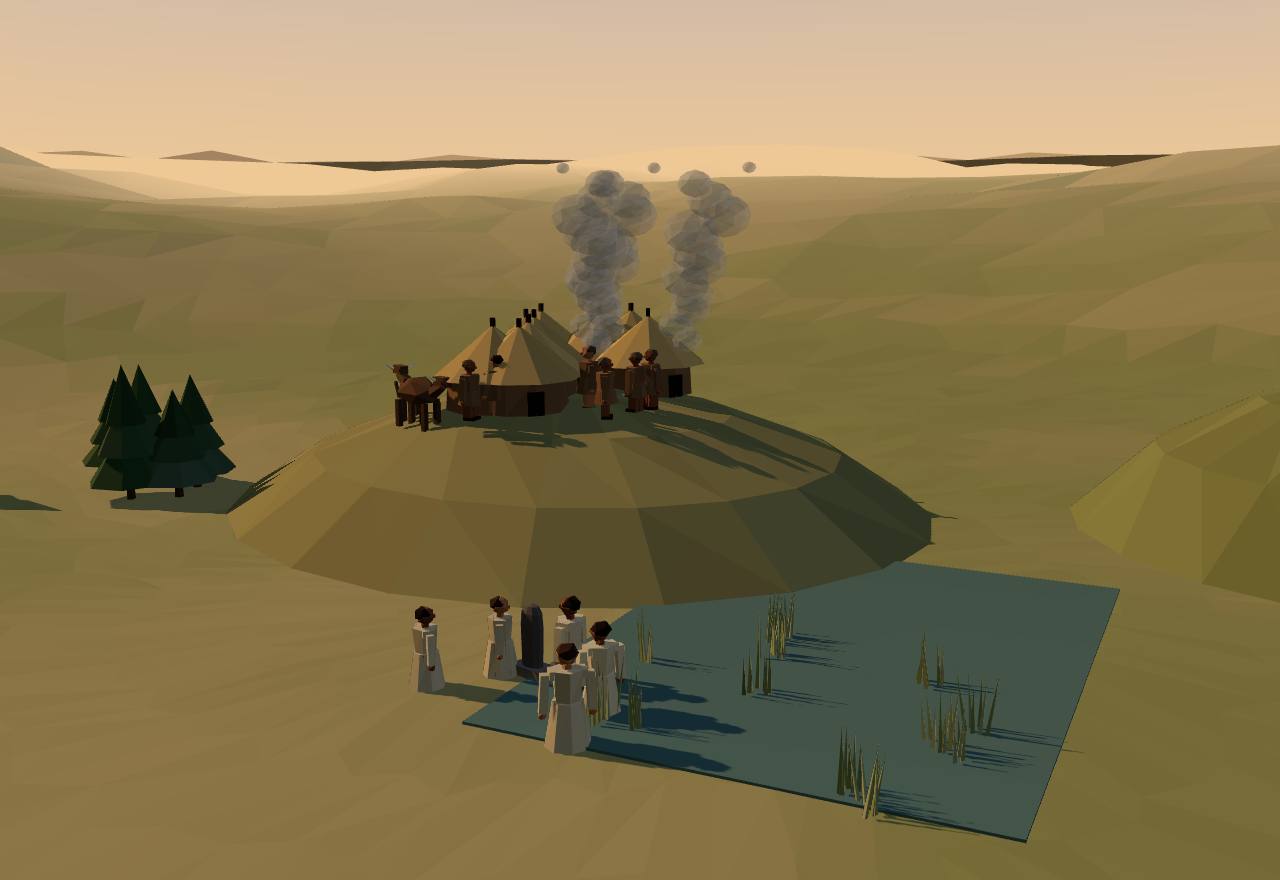
Huts on the Palatine above the Forum valley
753 BCE – 509 BCE
The kings
Roman tradition remembered seven kings, chosen rather than born to the throne. Almost everything about them was written down centuries later, so the period is a contest between that tradition and what archaeology can confirm.
Terms: Rome: The kings
- rex king; the word appears, as RECEI, on the archaic inscribed stone under the Forum 6,5
- interrex a senator who held royal power for a few days between two kings and put the next king to the people 5,7
- comitia curiata the assembly voting by curiae, which in Cicero's account chose the kings 7
- lex curiata de imperio a curiate law confirming a new king's command (imperium), in Cicero's account 7
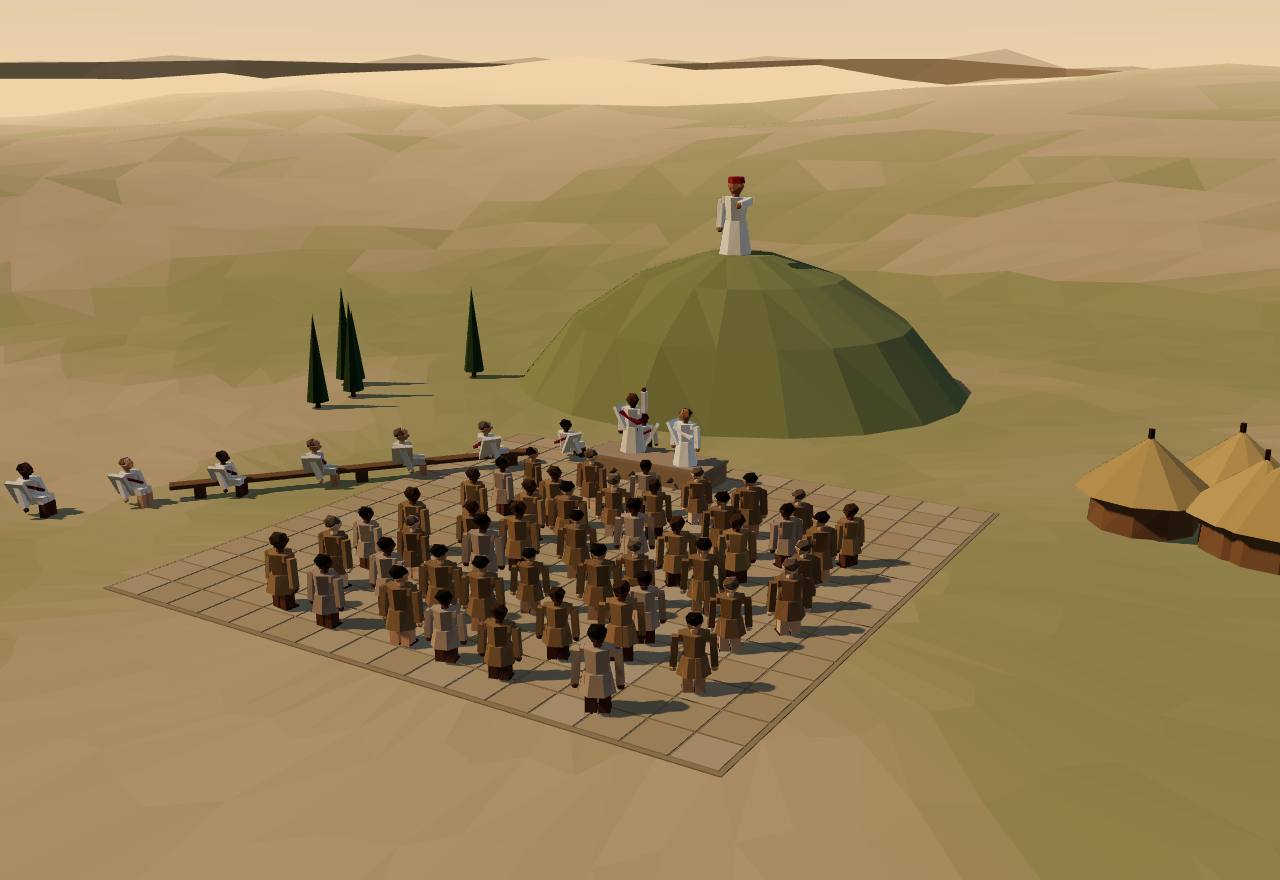
Choosing a king, as the Roman tradition told it
Livy's history counts seven kings, from Romulus to Tarquinius Superbus, and says the regal government lasted 244 years before two consuls, Lucius Junius Brutus and Lucius Tarquinius Collatinus, were elected in its place. On Varro's count that gives the conventional 509 BCE. 5 Consensus Texts
In the tradition the kingship was not hereditary. When a king died the senators took turns as interreges; an interrex then put a candidate to the people, the people chose, and the Senate confirmed the choice (Livy 1.17, 1.22, 1.32). Cicero adds that each new king had a curiate law passed on his own command. 5,7 Consensus Texts
Cicero has the early Romans seek “kingly virtue and wisdom, not royal ancestry” in a king, and Livy calls Tarquinius Priscus “the first who canvassed for the crown”. Whether any of this describes real archaic practice is unknown. 7,5 Speculative Texts
The gods had to approve a king. Livy describes Numa being led by an augur to the citadel, where the augur asked for signs; only when they came was Numa “manifested to be king”. 5 Consensus Texts
Tradition credits the sixth king, Servius Tullius, with the first census, which sorted citizens into wealth classes and voting centuries so that “all the voting power was in the hands of the principal men” (Livy 1.42–43). Cornell treats the Servian census as a real archaic reform; how much of Livy's detailed system belongs to the sixth century is debated. 5,8,9 Debated Texts
Under the black paving stones of the Forum, the Lapis Niger, lies an inscribed stone whose fifth line reads RECEI, “to the king”. Hülsen dated it no later than the fifth century BCE and noted that the rex may be a real king or the rex sacrorum, the priest who kept the title under the Republic. 6 Debated Excavation Texts
Seshat codes the Roman Kingdom (716–509 BCE) as a territory of about 1,000 km² with 20,000–50,000 people. Its largest settlement held an estimated 4,000–16,000 people around 700 BCE and 14,250–57,000 around 600 BCE, under three administrative levels and no full-time bureaucrats. Seshat Consensus Excavation Survey
How power worked King · Mixed · Council · 1 unknown
How power worked
- Who rules
- King Debated
Why?
- How chosen
- Mixed Speculative
Why?
- Limits on power
- Council Speculative
Why?
- Scale
- City-state Consensus
Why?
- Claim to rule
- Divine mandate Speculative
Why?
- Who has a say
- Unknown
Why?
The tradition is late and partly legendary: the Romans began writing their history around 200 BCE, and no contemporary text says who could vote in the curiate assembly.
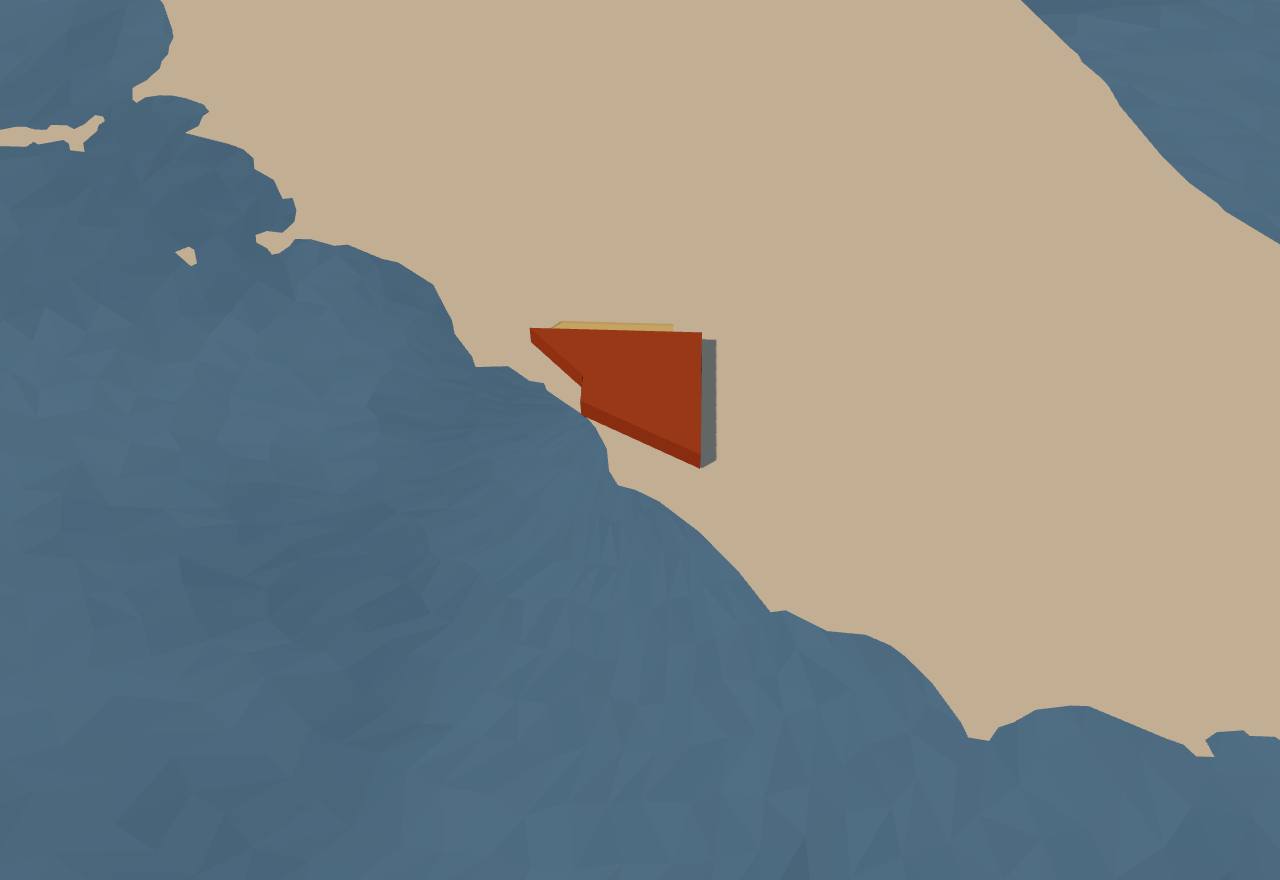
Roman territory under the kings (Cliopatria)
Territory: Cliopatria (CC BY 4.0), simplified. Height: Seshat population, log scale; darker, fixed-height slices are not coded.
509 BCE – 27 BCE
Republic
Elected magistrates, a Senate of former office-holders and voting assemblies ran Rome for nearly five centuries. Plebeians fought their way into power in the Conflict of the Orders; in its last century the Republic broke under armies loyal to their generals.
Terms: Rome: Republic
- tribunus plebis tribune of the plebs: a plebeian magistrate whose person was inviolable 10
- comitia centuriata the Assembly of Centuries, which voted by wealth-weighted blocks 10,11
- plebiscita resolutions of the plebeian assembly, binding on the whole people after the lex Hortensia 12
- dictator an emergency magistrate; Caesar was made dictator for life 13,14
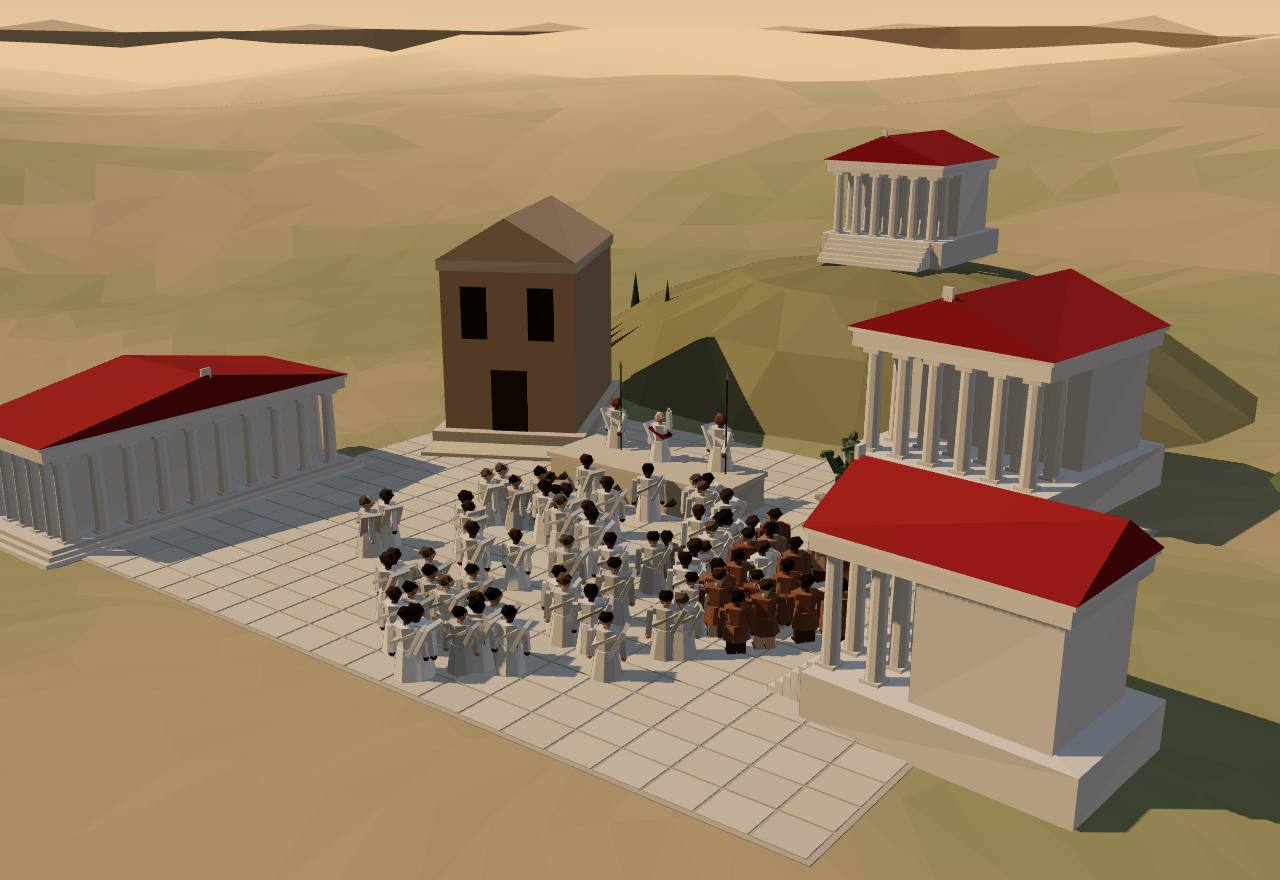
The Roman Forum in the late Republic
Two consuls, elected each year, were the highest regular magistrates and commanded the armies; because they held equal power, each could block the other. 11,15 Consensus
The Senate, made up mostly of former magistrates, could not pass laws: its decrees were formally advice to magistrates. In practice it steered policy, controlled the treasury and handled foreign affairs. 11,15 Consensus
In the centuriate assembly, which elected consuls, citizens voted in blocks (centuries) weighted by wealth. The wealthiest voted first and counting stopped once a majority was reached, so the poorest centuries were often never called. 11 Consensus
Tribunes of the plebs, elected by plebeians only, could veto acts of magistrates and decrees of the Senate. 11,15 Consensus
The Republic began as a city-state: Seshat estimates its territory at about 1,300 km² around 500 BCE. By the Late Republic it ruled a Mediterranean empire of roughly 2 to 3.5 million km², so whether to call the Republic a city-state or an empire depends on which century is meant. Seshat Consensus
The Greek historian Polybius, writing in the second century BCE, praised Rome's constitution as a blend of three elements: monarchic in the consuls, aristocratic in the Senate and democratic in the power of the people, each able to check the others. 15,11 Consensus
The tribunate was won by a strike. In Livy's account the plebs walked out to the Sacred Mount, three miles beyond the Anio, and came back only when they were granted their own magistrates, “whose persons were to be inviolable”: the first two tribunes of the plebs (conventionally 494 BCE). 10 Consensus Texts
Plebeian pressure also forced the law into writing. Ten men (decemviri) drafted a code in the city's 301st year (conventionally 451 BCE); it was passed by the Assembly of Centuries, and the completed Twelve Tables were engraved in bronze and put on public display. 10 Consensus Texts
The Licinian–Sextian laws opened the top office: one consul was to be elected from each order, and Lucius Sextius became “the first consul to be elected out of the plebs” (conventionally 367–366 BCE). 10 Consensus Texts
After a last secession, to the Janiculum hill in 287 BCE, the dictator Quintus Hortensius passed the law that ended the conflict: the lex Hortensia made the resolutions of the plebeian assembly (plebiscita) binding on the whole people. 12,16 Consensus Texts
The winners were not the poor. In the fourth century the old patriciate merged with a rising plebeian elite into a new ruling class, the nobilitas, in a gradual coalescence of the two. 17,8 Consensus
Political violence began in 133 BCE. Senators led by the pontifex maximus Scipio Nasica killed the tribune Tiberius Gracchus and more than 300 of his supporters with sticks and stones; Plutarch notes that “not one” died by the sword and calls it the first sedition since the kings to end in bloodshed. 18,14 Consensus Texts
Armies changed. In 107 BCE Marius enlisted soldiers “not according to the classes” but by allowing anyone to volunteer, “for the most part the proletariat”. 19 Consensus Texts
In 88 BCE Sulla led six legions against Rome itself, “the first army of her own citizens” to invade the city “as a hostile country”. He later had himself made dictator through an interrex and resigned in 79 BCE. 14 Consensus Texts
In January 49 BCE Caesar led his army across the Rubicon into Italy. He was made dictator for life and was killed at a meeting of the Senate on the Ides of March, 44 BCE. 13 Consensus Texts
In 43 BCE a tribune's law, the lex Titia, made three men, Lepidus, Antony and Octavian, a legal magistracy for five years “for settling the present disorders”. Octavian's victory at Actium on 2 September 31 BCE left him the only one standing. 20,21 Consensus Texts
How power worked Elected magistrates · Election · Assembly or tribune veto
How power worked
- Who rules
- Elected magistrates Consensus
Why?
- How chosen
- Election Consensus
Why?
- Limits on power
- Assembly or tribune veto Consensus
Why?
- Scale
- Empire Debated
Why?
- Claim to rule
- Law Debated
Why?
- Who has a say
- Male citizens Consensus
Why?
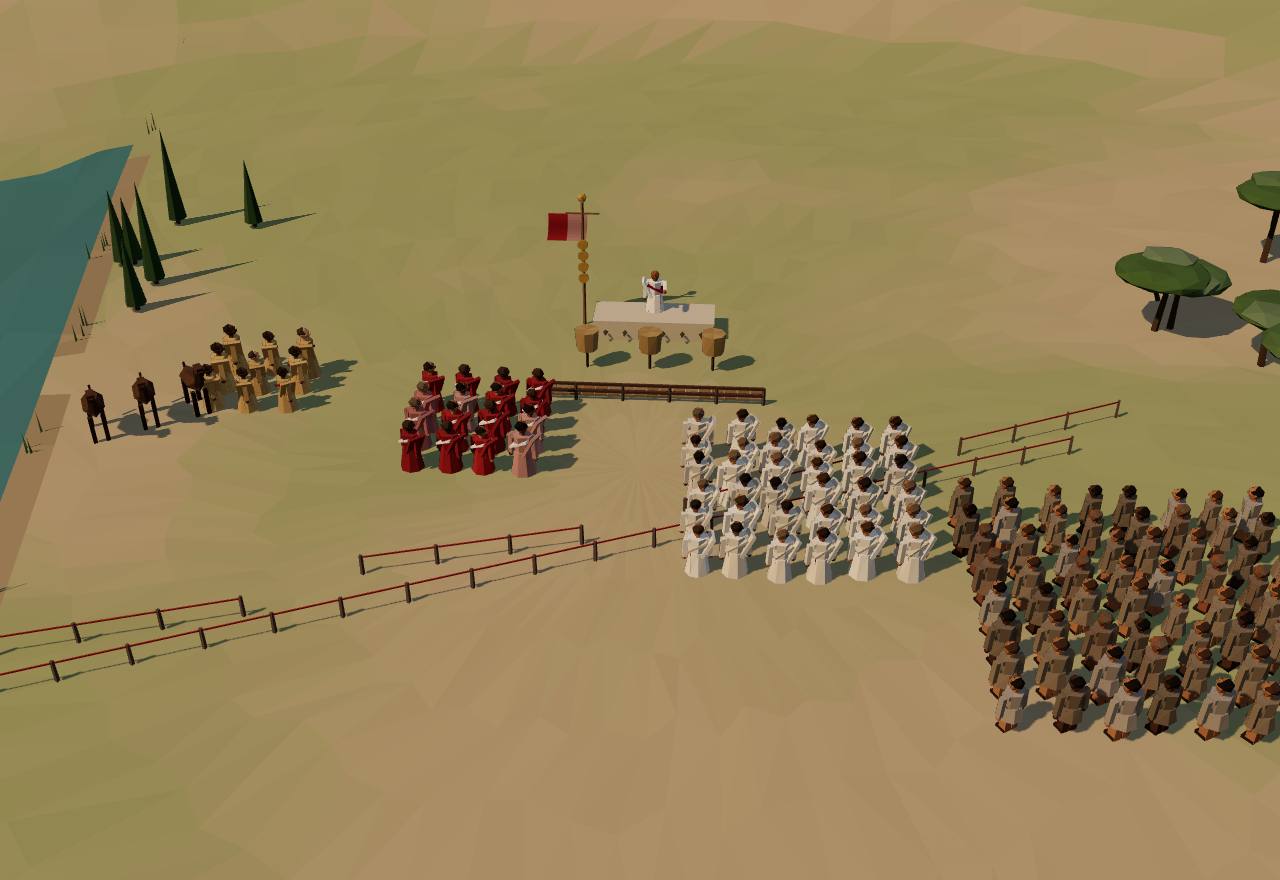
The centuriate assembly votes
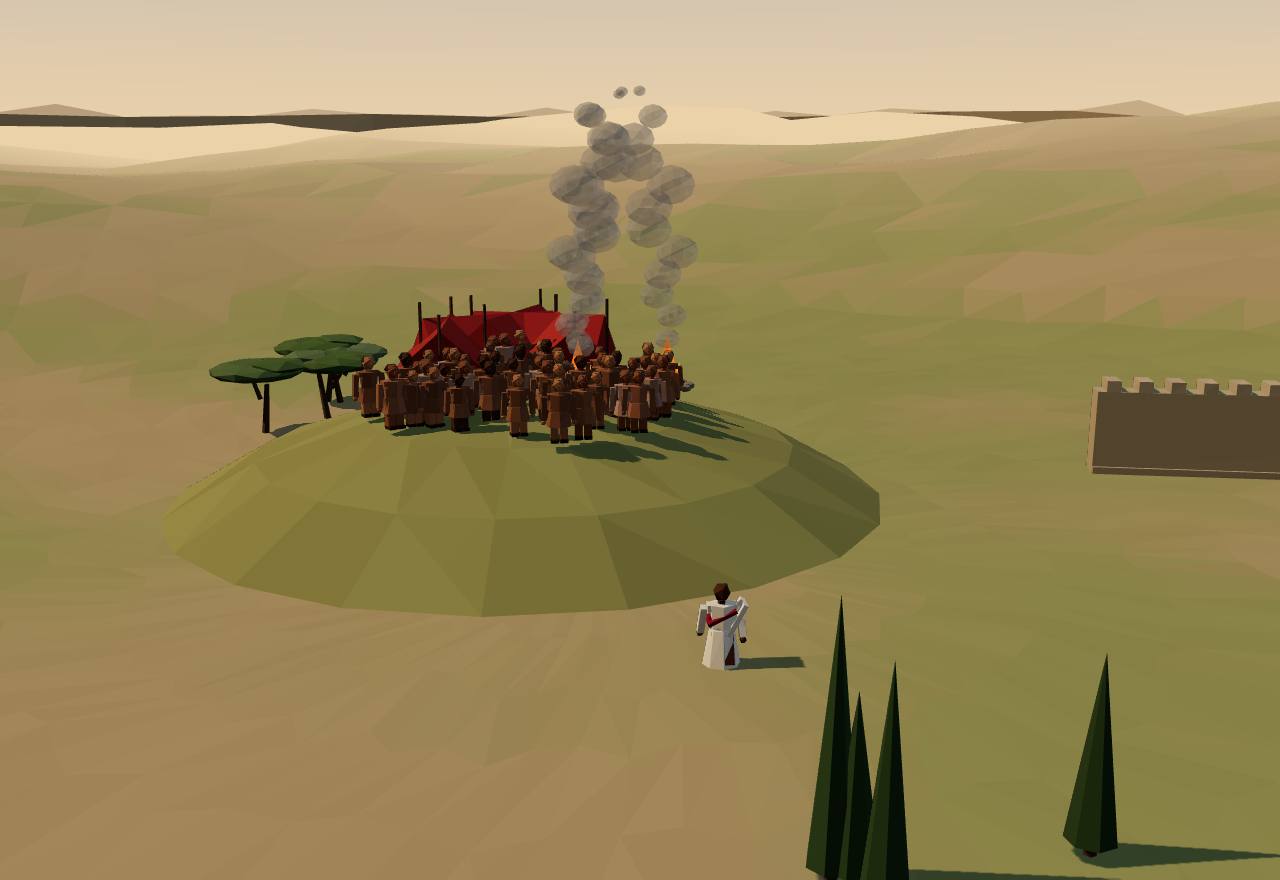
The plebs walk out: the Conflict of the Orders
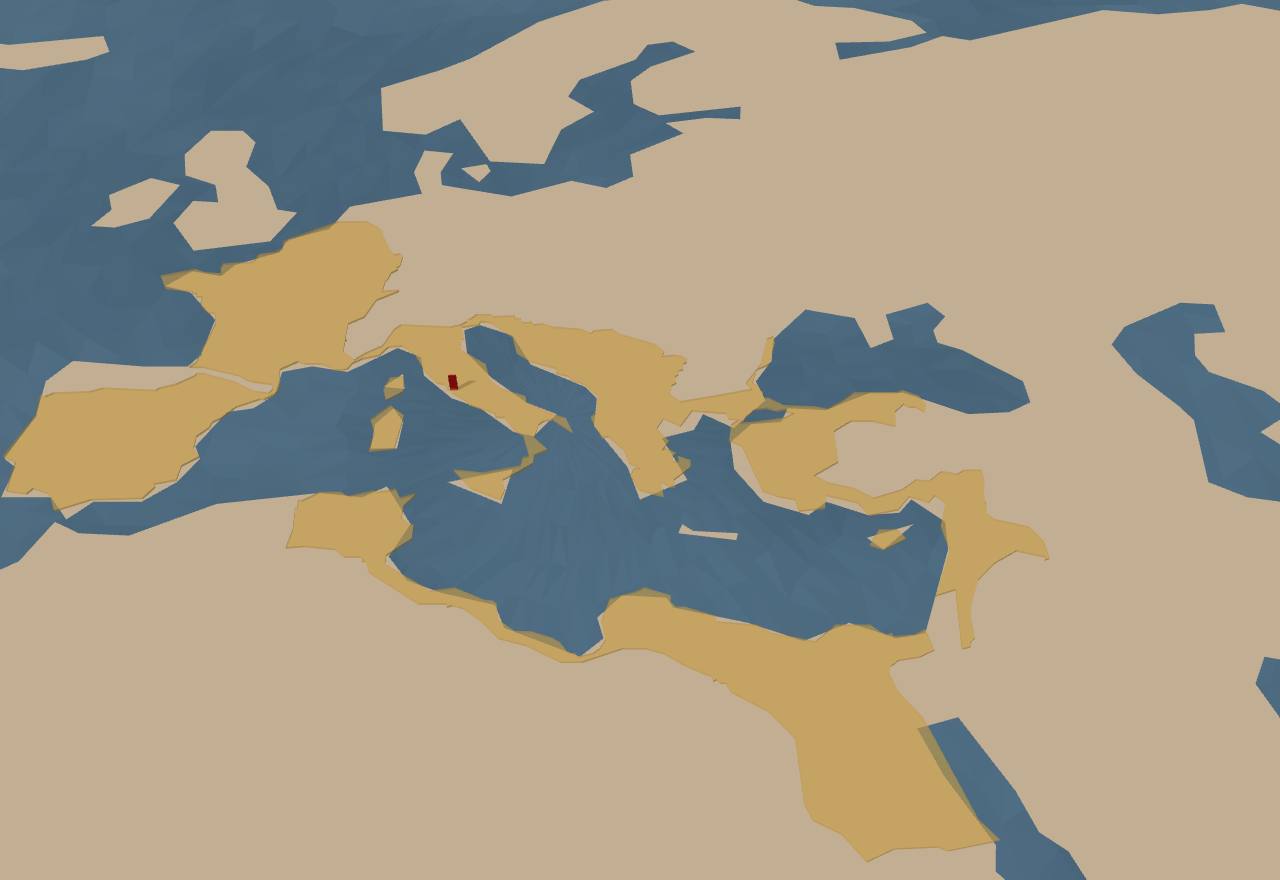
Roman territory under the Republic (Cliopatria)
Territory: Cliopatria (CC BY 4.0), simplified. Height: Seshat population, log scale.
27 BCE – 284 CE
The Principate
Augustus said he had handed the state back to the Senate and people. In practice one man commanded the armies, and over three centuries emperors were made by inheritance, adoption, the Senate and, more and more, the soldiers.
Terms: Rome: The Principate
- potestasἐξουσίας legal power of office; in the Greek version of Res Gestae 34 Augustus claims no more ἐξουσία than his colleagues 24
- tribunicia potestas the tribune's powers, held by Augustus for life without the office 24,25
- senatus consultum a decree of the Senate; by one, Octavian was named Augustus 24,26
- civilis princeps the “citizen-like” first man: an emperor who behaved as a senator among senators 27
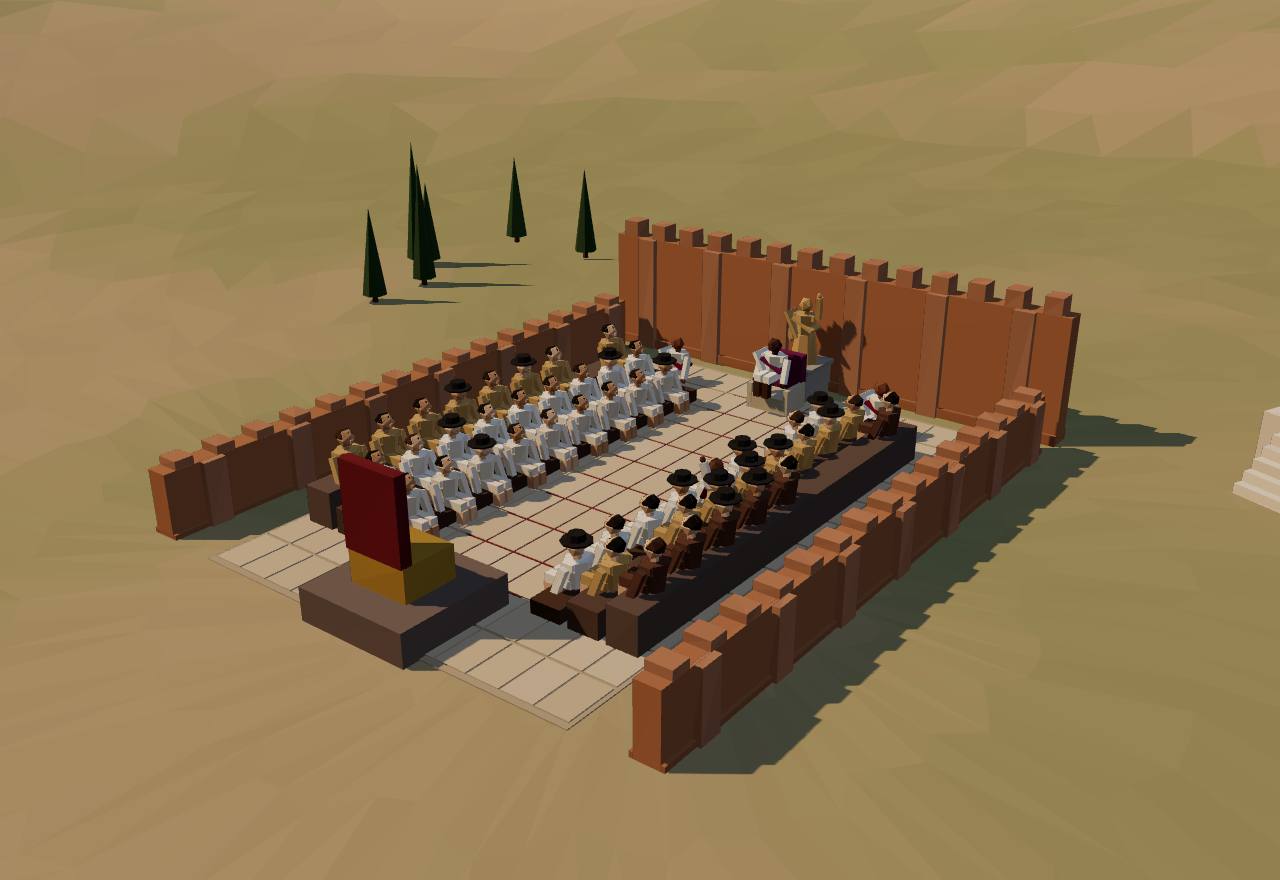
The Senate under the emperors
In his own account Augustus, having ended the civil wars “by universal consent”, “transferred the republic from my own control to the will of the senate and the Roman people” in his sixth and seventh consulships (28–27 BCE), and in return was given the name Augustus by decree of the Senate. 24,28 Consensus Texts
He closed the Res Gestae with the claim that he “took precedence of all in rank, but of power I possessed no more than those who were my colleagues in any magistracy”: first among citizens, not a king. 24,28 Consensus Texts
The armies were the reality behind the claim. Cassius Dio says Augustus gave the Senate the peaceful provinces and kept the powerful ones, so that senators were unarmed “while he alone had arms and maintained soldiers”; in 23 BCE he was voted the tribune's power for life and a proconsul's command superior to every governor's. 25 Consensus Texts
Popular voting faded. Tacitus says Augustus drew to himself “the functions of the senate, the magistracy, and the legislature”, and that in 14 CE “the elections were now for the first time transferred from the Campus to the senate”. 29,26 Consensus Texts
The Senate did not disappear. Richard Talbert's study of its composition, procedure and functions from 30 BCE to 238 CE shows it holding elections, legislating by decree and sitting as a court. 26 Consensus Texts
A bronze tablet preserves the law that gave Vespasian his powers in 69–70 CE. It lets him do “whatever he considers to be in accordance with the public advantage”, and makes his acts before the law valid “as if they had been done by the order of the people”. 30 Consensus Texts
Peter Brunt argued that the law was not new: apart perhaps from its last clause it repeats wording probably going back to 37 CE, with prerogatives added for Claudius and later emperors, and it became the basis of the jurists' doctrine that the emperor's power came from the people. 31 Debated
The year 68–69 exposed the system. Tacitus writes that “the secret of empire was now revealed, that an emperor could be made elsewhere than at Rome”: four emperors in a year, each raised by an army. 32,33 Consensus Texts
Emperors still acted the citizen. Andrew Wallace-Hadrill describes an ambivalence in the role: an autocratic reality behind an “elaborate and yet transparent republican façade”, in which Claudius could claim to be “but a citizen like the rest”. 27 Debated
Clifford Ando argues that the empire lasted not because of Roman military power but because of “a gradually realized consensus that Roman rule was justified”, built in a long conversation between the centre and the provinces. 34 Debated
Under Caracalla (in 212 CE, by the conventional date) all free people of the empire became Roman citizens. Cassius Dio says the real purpose was “to increase his revenues”, since only citizens paid certain taxes. 35 Consensus Texts
From 235 to 284 the army took over. Of the 18 accessions from Maximinus Thrax to Numerian whose mechanism DIR records, 13 came by soldiers' proclamation or by revolt, 2 by the Senate and 3 by inheritance (see “Who chose the emperor?” below). 33 Consensus Texts
Seshat estimates the empire at 4.5 million km² around 1 CE, 5.8 million around 100 and 4.75 million by 275, with about 50 million people at the start and 55–70 million around 200. Rome itself held about a million. It codes 8–9 administrative levels and full-time bureaucrats as present. Seshat Consensus Survey Texts
McCormick and colleagues find that the empire rose in a “roman optimum” of exceptional climatic stability (c. 100 BCE–200 CE); precipitation became exceptionally variable from about 250, and volcanic eruptions clustered from about 235 to 285, as the third-century crisis peaked. 36 Debated Model Texts
Two pandemics struck: the Antonine plague from the mid-160s, which Kyle Harper thinks was most plausibly smallpox and which hit the empire “at the apex of its power”, and the plague of c. 249–270 described by Cyprian. 37,38 Debated Texts
How power worked Emperor · Mixed · Custom and kin
How power worked
- Who rules
- Emperor Consensus
Why?
- How chosen
- Mixed Consensus
Why?
- Limits on power
- Custom and kin Debated
Why?
- Scale
- Empire Consensus
Why?
- Claim to rule
- Law Debated
Why?
- Who has a say
- A narrow elite Debated
Why?
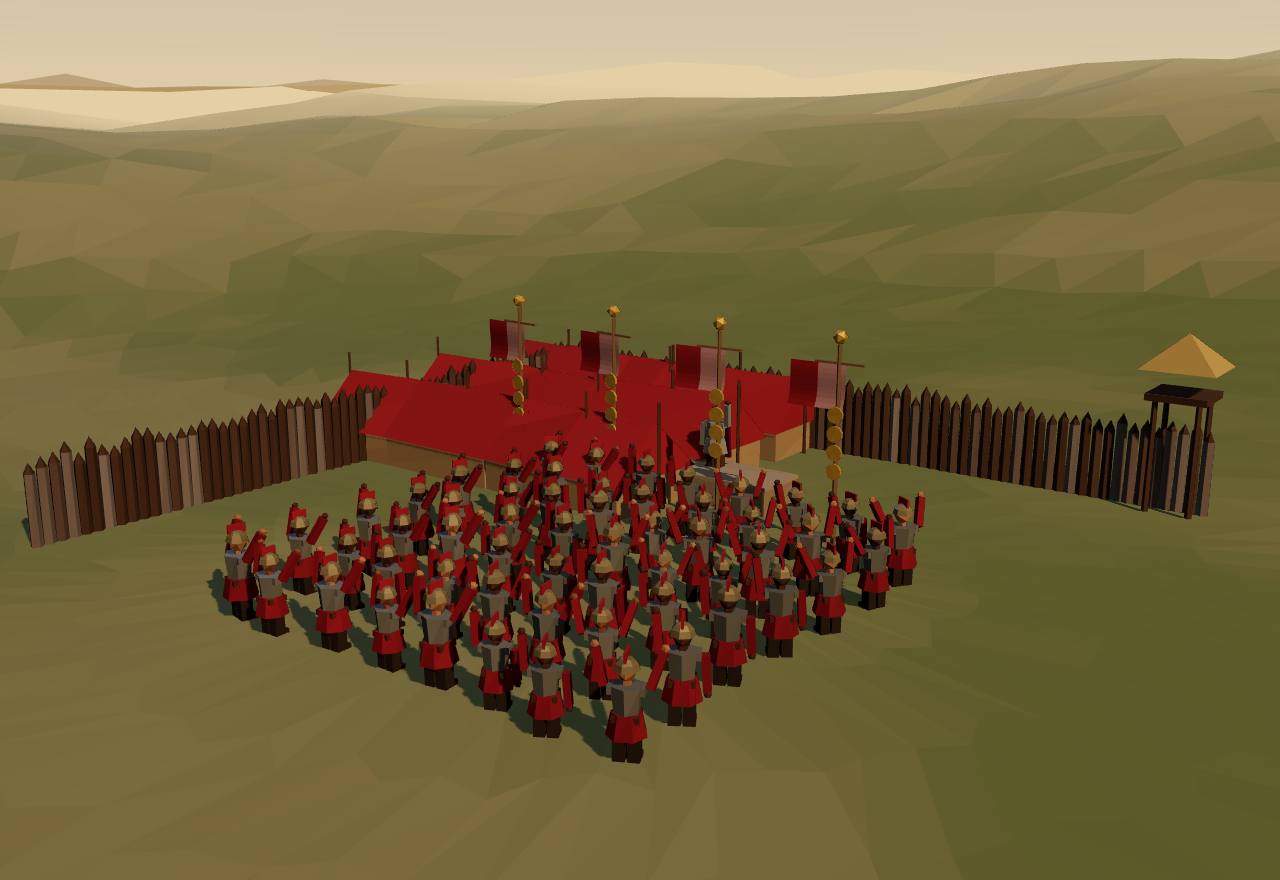
Soldiers make an emperor
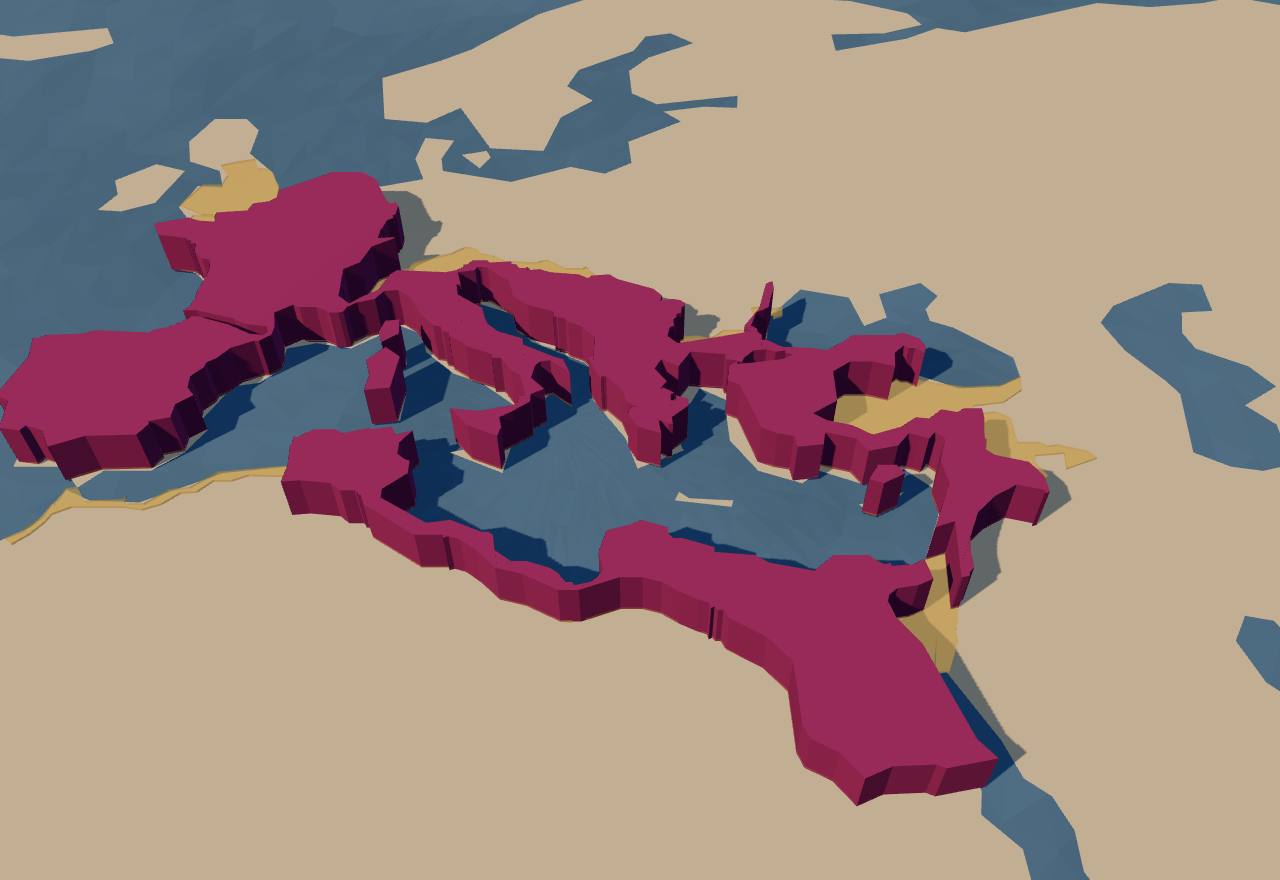
Roman territory under the Principate (Cliopatria)
Territory: Cliopatria (CC BY 4.0), simplified. Height: Seshat population, log scale; darker, fixed-height slices are not coded.
284 CE – 395 CE
The Dominate
Diocletian, a soldier chosen by his officers, split the empire among four rulers, cut the provinces into smaller units and surrounded the emperor with ceremony. Whether this was a new kind of monarchy, the “Dominate”, is now disputed.
Terms: Rome: The Dominate
- dominus “lord”: Aurelius Victor says Diocletian let himself be openly called dominus 43
- Augustus and Caesar under the tetrarchy, the two senior and two junior emperors 33
- praesides provincial governors, multiplied, Lactantius complained, with the provinces 44
- magistri militum masters of the soldiers, the field commands Zosimus says Constantine created 45
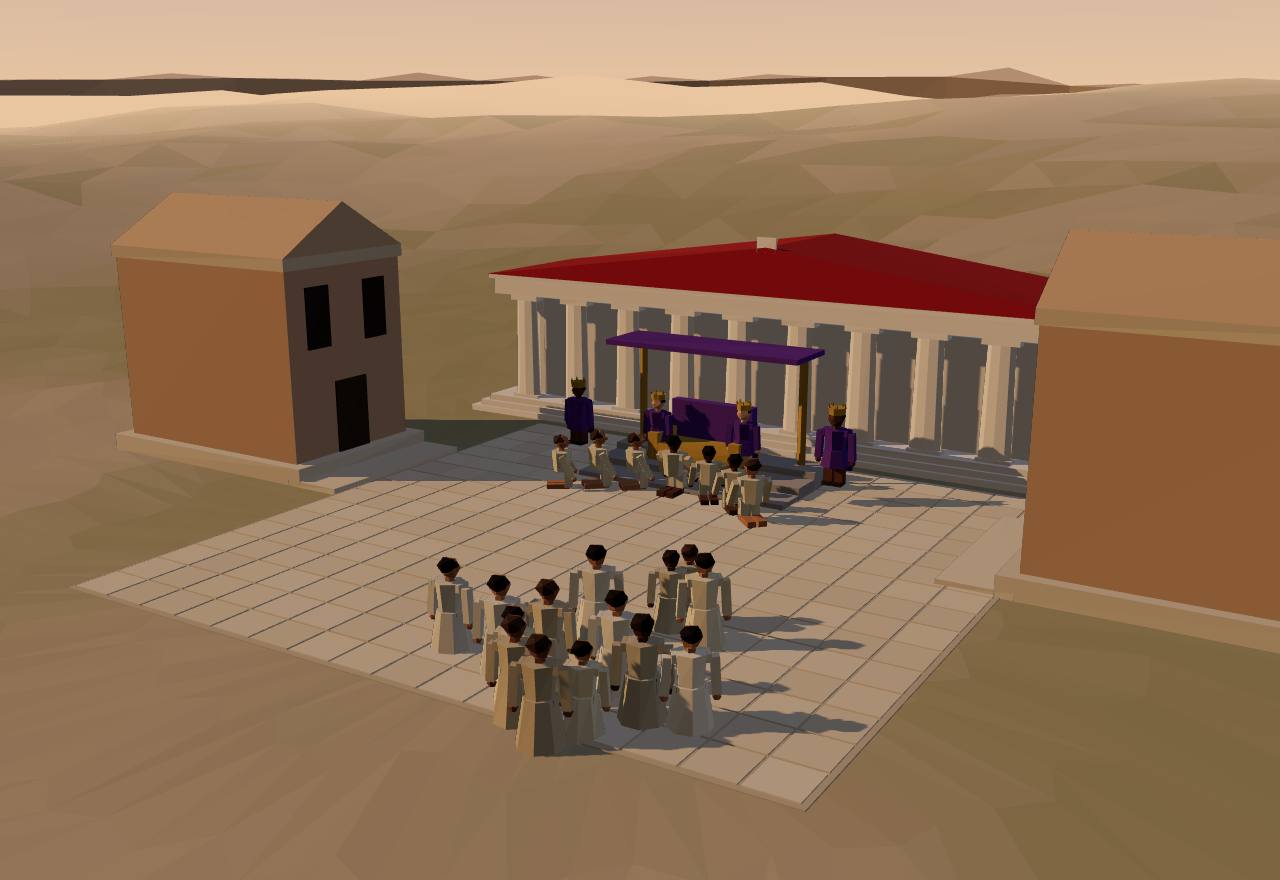
Four rulers and a court that kneels
After the emperor Numerian died near Nicomedia in 284, Diocletian, commander of the household troops, was chosen on the advice of the generals and tribunes (Aurelius Victor) and the army “conferred the imperial dignity” on him (Eutropius). 43,46,33 Consensus Texts
Diocletian made Maximian a second Augustus in 286 and in 293 added two Caesars, Constantius and Galerius. The Christian writer Lactantius complained that “the empire having been quartered, armies were multiplied”. 33,44 Consensus Texts
Government got denser. Lactantius says “the provinces were divided into minute portions, and many presidents and a multitude of inferior officers lay heavy on each territory”; Christopher Kelly puts the growth in the scale of government at something like two or three times. 44,47,48 Consensus Texts
Ceremony set the emperor apart. Eutropius says Diocletian introduced “a ceremony suited rather to royal usages than to Roman liberty, giving orders that he should be adored”, with jewels on his robes and shoes; Aurelius Victor says he was the first since Caligula and Domitian to let himself be openly called dominus and addressed as a god. 46,43 Consensus Texts
We know the tetrarchs' government mostly through their own pronouncements. Simon Corcoran's study of imperial pronouncements from 284 to 324 treats those years as one unit: “the genesis, existence, and demise of the tetrarchic experiment”. 49 Consensus Texts
Christopher Kelly shows how the bureaucracy actually worked: fees paid by the public dwarfed officials' salaries, and the costs of access, which shut many out, worked to the overall advantage of imperial government. 47,48 Debated
Constantine won the battle of the Milvian Bridge in 312, became sole master of the Roman world in 324 and dedicated his new capital, Constantinople, on 11 May 330. Zosimus says he created masters of the soldiers, reducing the prefects' power, and moved most troops from the frontiers into towns. 33,45 Consensus Texts
Officials and soldiers chose emperors. In 364, “by general consent of the civil and military officials”, Valentinian was chosen emperor at Nicaea; when the army hailed him it demanded a colleague, and he appointed his brother Valens. 50,33 Consensus Texts
In 378 Valens was killed fighting the Goths at Adrianople; Ammianus says his body “was never afterwards found anywhere”. 51 Consensus Texts
Seshat codes the fourth-century empire at 4–4.5 million km² and 40–70 million people, with 8–9 administrative levels, judges and courts present, and constraint on the executive by government and impeachment both absent. Seshat Consensus Survey Texts
How power worked Emperor · Mixed · None in practice
How power worked
- Who rules
- Emperor Consensus
Why?
- How chosen
- Mixed Consensus
Why?
- Limits on power
- None in practice Debated
Why?
- Scale
- Empire Consensus
Why?
- Claim to rule
- Divine mandate Debated
Why?
- Who has a say
- A narrow elite Consensus
Why?
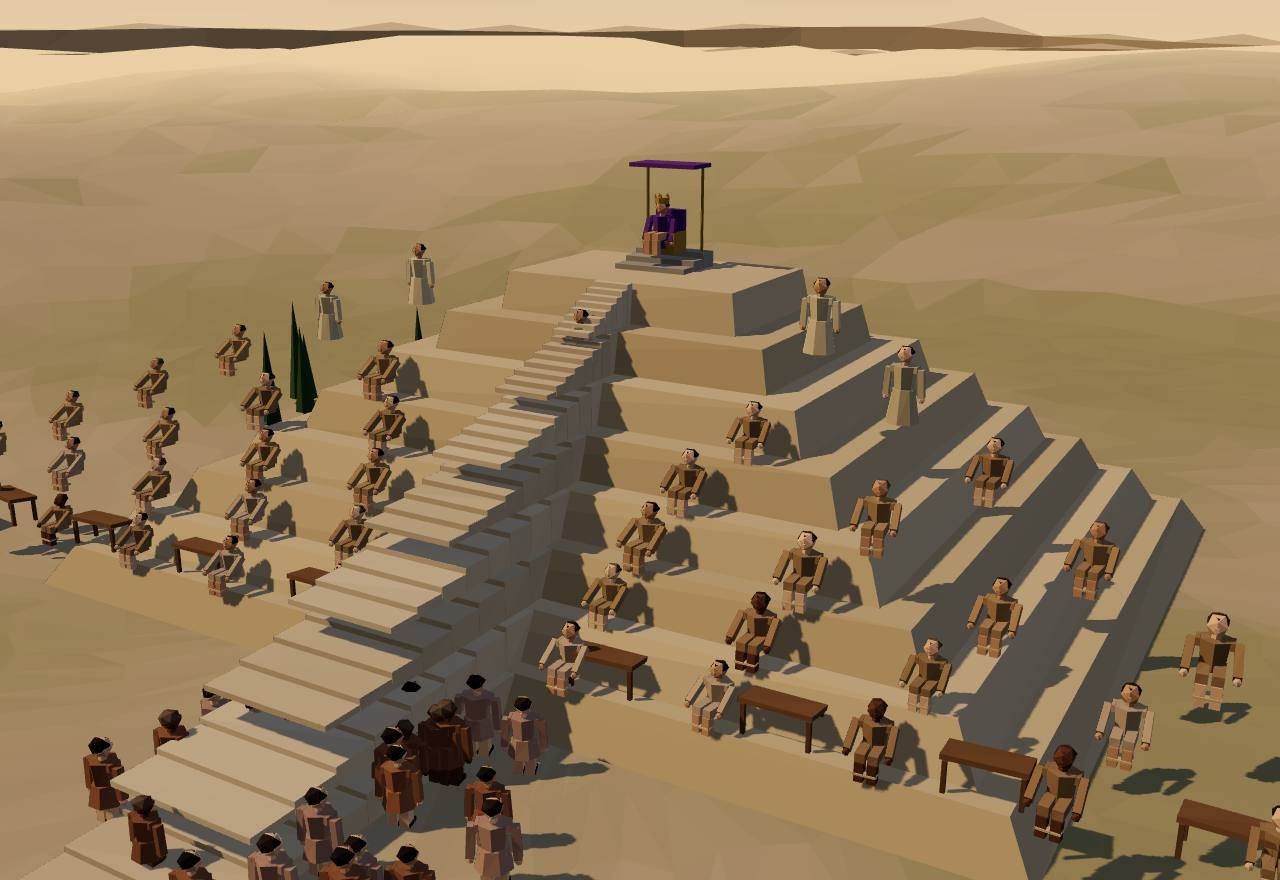
The late Roman administration, level by level
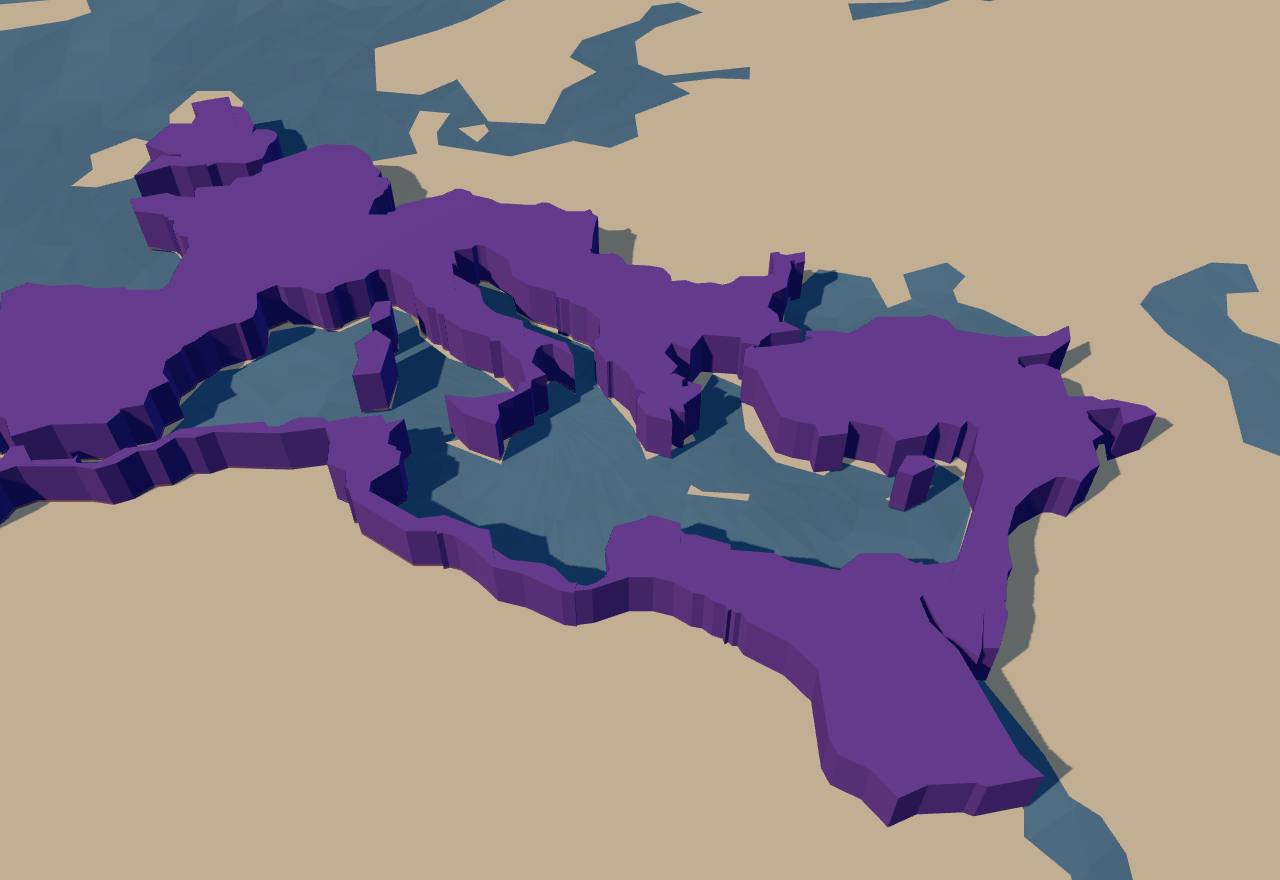
Roman territory in the fourth century (Cliopatria)
Territory: Cliopatria (CC BY 4.0), simplified. Height: Seshat population, log scale; darker, fixed-height slices are not coded.
395 CE – 476 CE
The divided empire
When Theodosius I died in 395, his sons split the empire: Arcadius ruled the East from Constantinople, Honorius the West. The two courts went separate ways, and only one survived the century.
Theodosius I died of illness on 17 January 395. His sons Arcadius and Honorius succeeded jointly, “with Arcadius ruling the east and Honorius the west”. 33 Consensus Texts
Seshat codes the western court at Milan, Ravenna and Rome, and the eastern court at Constantinople alone. Seshat Consensus
The WestRavenna
The western court retreated to Ravenna and fell under the control of its generals, who made and unmade emperors until there was no emperor left to make.
Terms: Rome: The divided empire, The West
- patricius Patrician, the title of the generalissimo (as Ricimer, “Patrician and Master of Soldiers”) who held real power 33
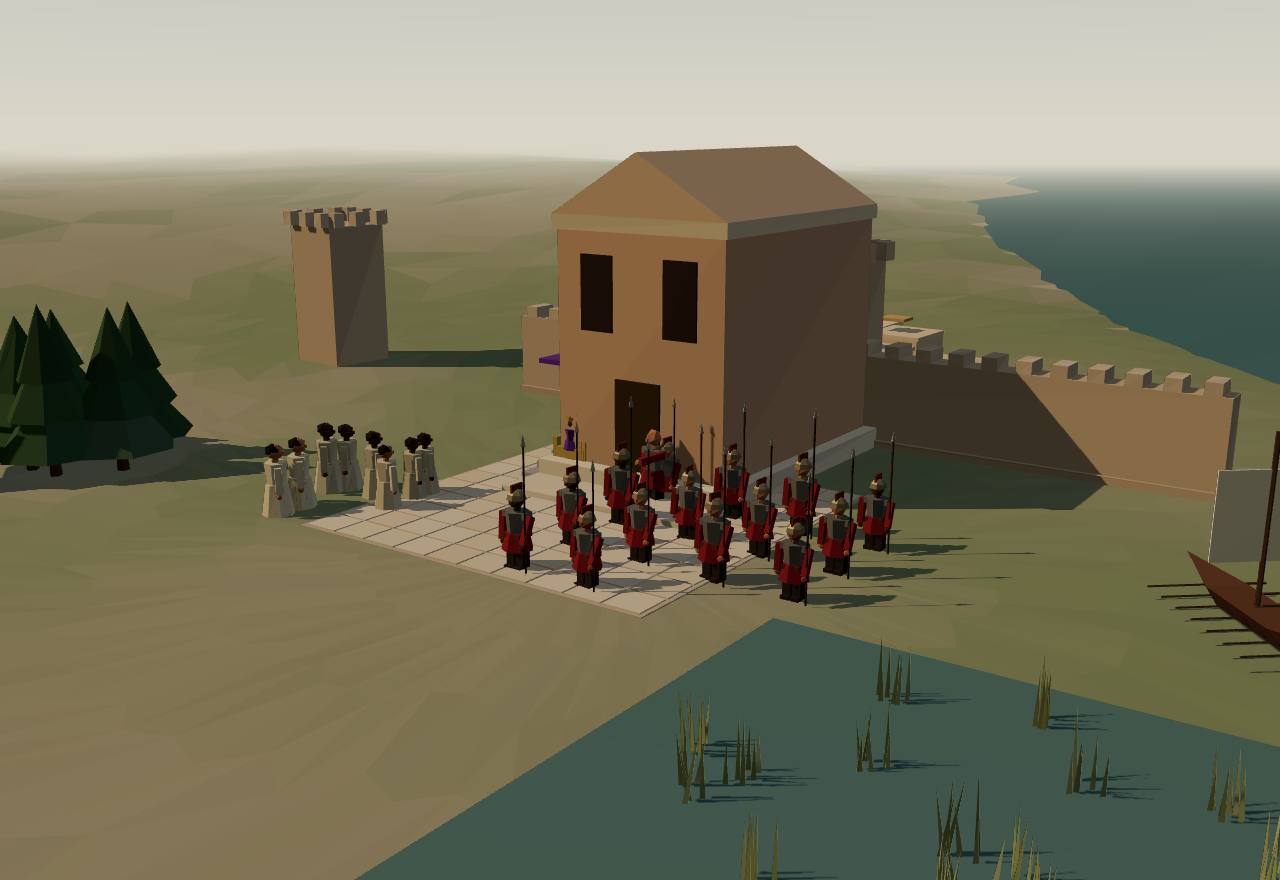
Ravenna: a court behind the marshes
After the Visigoths invaded Italy in 402, Honorius and the imperial court retired from Milan to Ravenna. 33 Consensus Texts
Generals ruled through emperors. DIR calls the general Stilicho “the first such power behind the throne in the west”; later the Patrician Ricimer executed the emperor Majorian in 461 and set up Libius Severus, a “shadow” or “puppet” emperor. 33 Consensus Texts
Of the seven western accessions from 457 to 475 whose mechanism DIR records, five emperors were installed by a general or by the eastern court, one was acclaimed “probably by the army”, and the last, Romulus Augustulus, was put on the throne by his father, the general Orestes. 33 Consensus Texts
Rome itself fell to Alaric's Goths on 24 August 410, and the Vandals took Carthage on 19 October 439. 53 Consensus Texts
Guy Halsall argues, “contrary to most opinions”, that the fall of the Roman empire produced the barbarian migrations, not the other way round: the crisis was first of all a crisis of Roman politics. 54 Debated
In 476 Odoacer deposed Romulus Augustulus, gave him an income of six thousand gold pieces and sent him to live in Campania; the palace regalia were sent to Constantinople. Julius Nepos, whom Orestes had driven out, still claimed the western throne from Dalmatia until he was killed in 480, so 476 is a convention, not a moment everyone noticed. 55,33 Consensus Texts
Seshat estimates the western empire at about 2 million km² around 400, with a largest city of about 500,000 and 8 administrative levels; unlike the hand-coded axes here, it records constraint on the executive by government as present. Seshat Consensus Survey Texts
How power worked Emperor · Mixed · None in practice
How power worked
- Who rules
- Emperor Debated
Why?
- How chosen
- Mixed Consensus
Why?
- Limits on power
- None in practice Debated
Why?
- Scale
- Empire Consensus
Why?
- Claim to rule
- Divine mandate Consensus
Why?
- Who has a say
- A narrow elite Consensus
Why?
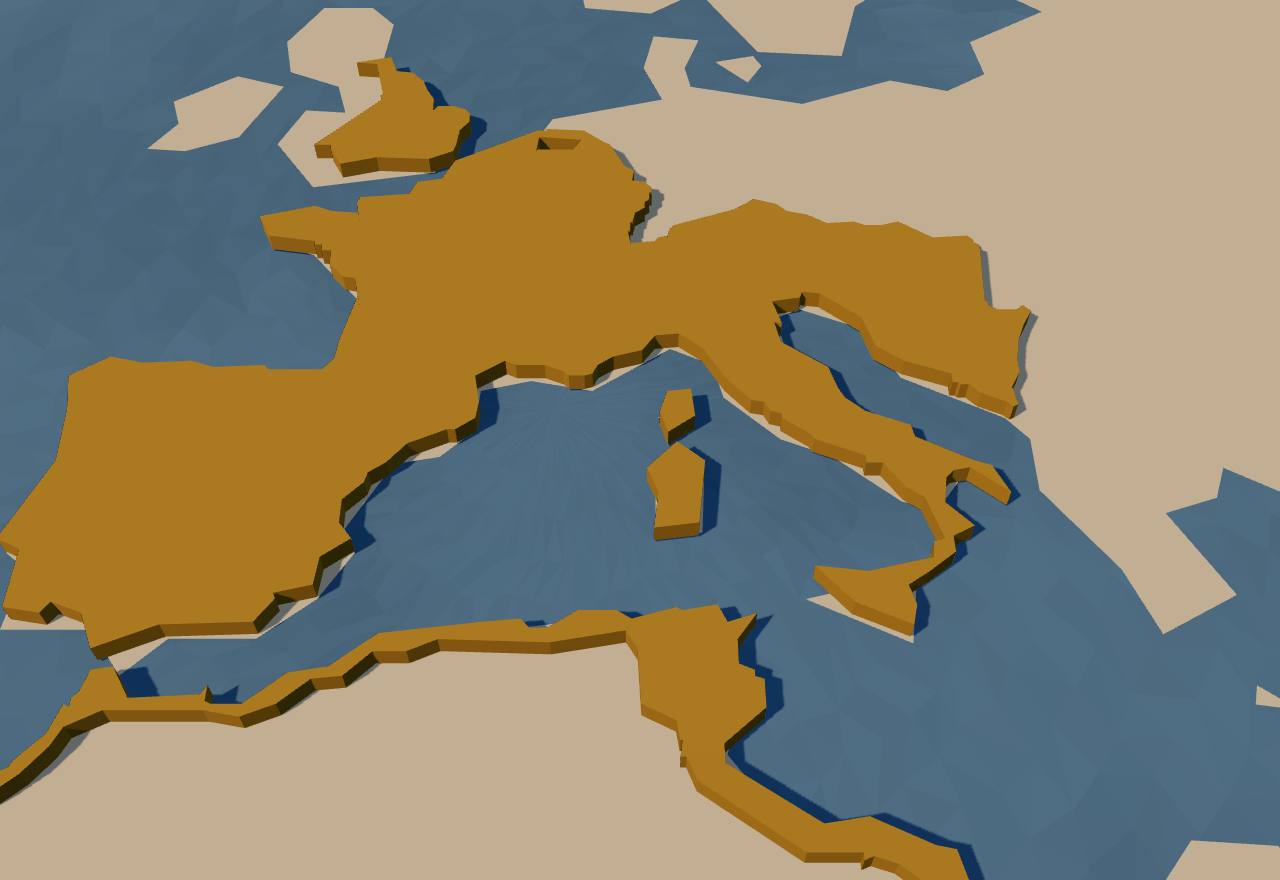
The western empire shrinks, 395–469 (Cliopatria)
Territory: Cliopatria (CC BY 4.0), simplified. Height fixed: population not coded in Seshat.
The EastConstantinople
The eastern court stayed in one walled capital, kept its emperors inside the palace and its army under control, and issued the law code both halves used.
Terms: Rome: The divided empire, The East
- Codex Theodosianus the Theodosian Code of imperial laws, published in 438 33
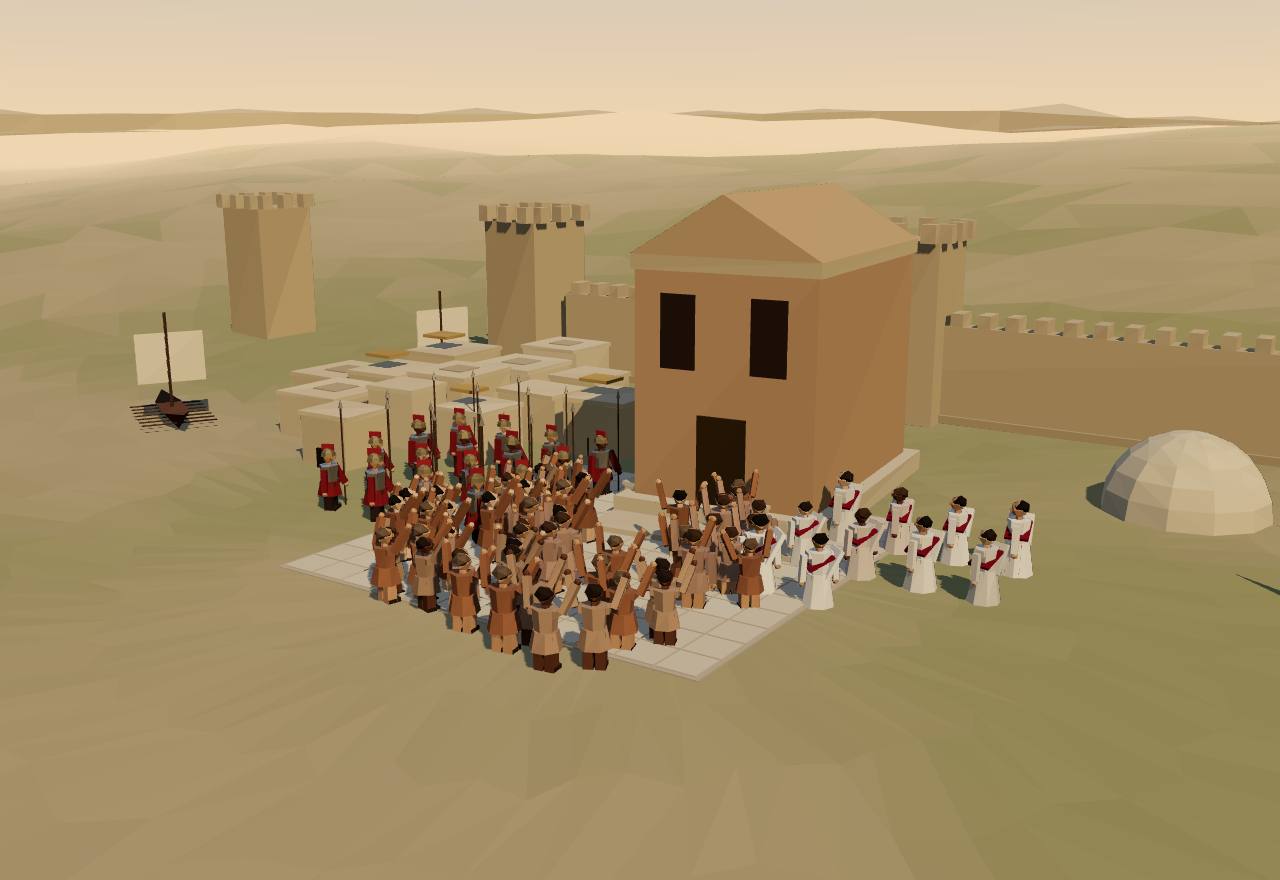
Constantinople: the court that stayed
In 413 the praetorian prefect Anthemius, who dominated the government of the young Theodosius II, completed a circuit wall that enclosed most of Constantinople. 33 Consensus Texts
In February 438 the Theodosian Code (Codex Theodosianus), a collection of imperial laws, was published and presented to the Senates in Rome and Constantinople. 33 Consensus Texts
Succession was settled inside the capital. Theodosius II was crowned Augustus as an infant; in 450 the general Aspar engineered Marcian's candidacy with the agreement of the empress Pulcheria, and Marcian then “received the support of the Senate and the armies”. 33 Consensus Texts
Leo I's accession on 7 February 457 is the first known to involve the patriarch of Constantinople. The contemporary description passes over the crowning itself, so whether the patriarch placed the crown is uncertain. 33,53 Debated Texts
After 476 the Roman Senate's envoys told the eastern emperor Zeno that “a single common emperor would be sufficient for both territories”: the empire, in their telling, now had one emperor, in Constantinople. 33 Consensus Texts
Seshat estimates the eastern empire at about 1.3 million km² and 15 million people around 400, with Constantinople at about 300,000, 8 administrative levels, and rulers coded as legitimated by the gods and as gods themselves. Seshat Consensus Survey Texts
How power worked Emperor · Mixed · Custom and kin
How power worked
- Who rules
- Emperor Consensus
Why?
- How chosen
- Mixed Debated
Why?
- Limits on power
- Custom and kin Debated
Why?
- Scale
- Empire Consensus
Why?
- Claim to rule
- Divine mandate Consensus
Why?
- Who has a say
- A narrow elite Consensus
Why?
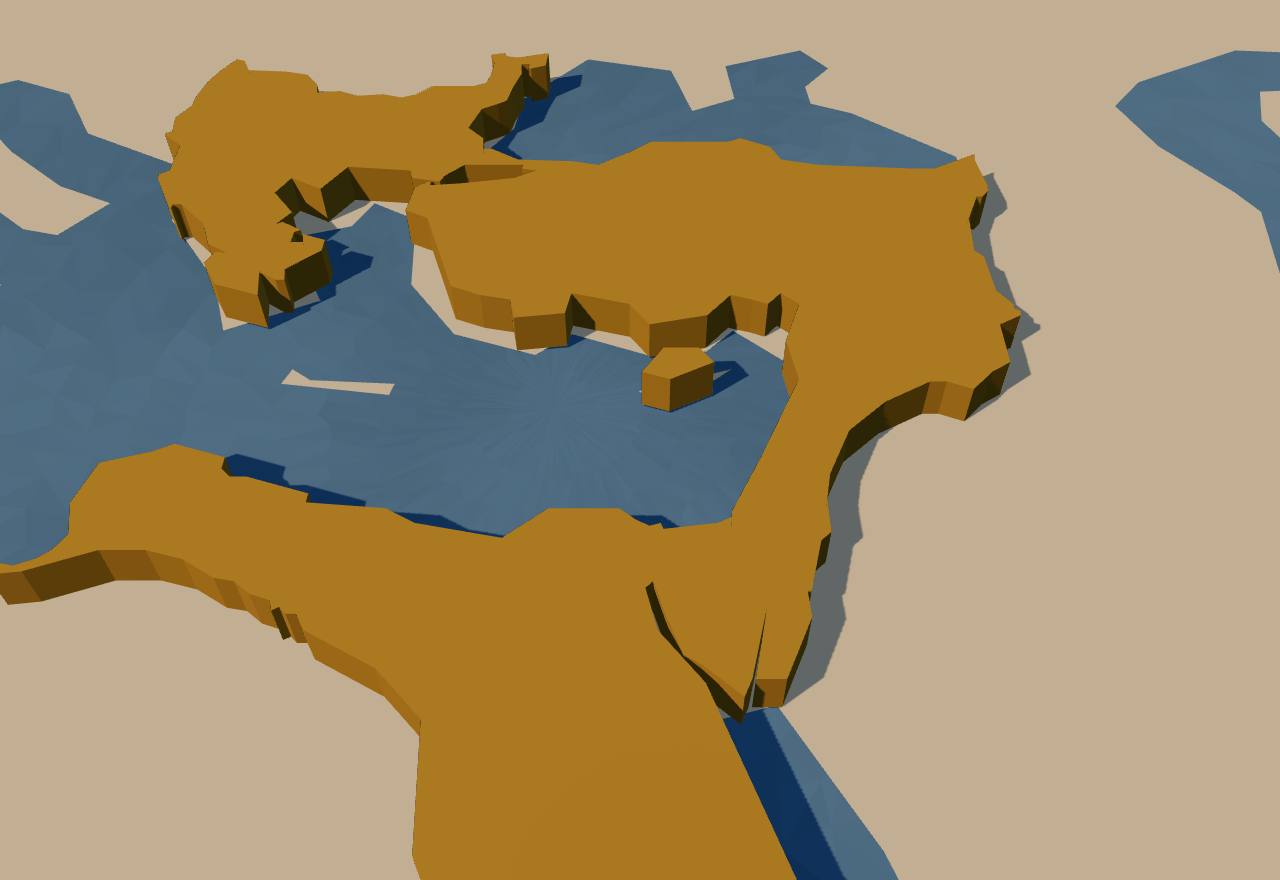
The eastern empire holds, 395–469 (Cliopatria)
Territory: Cliopatria (CC BY 4.0), simplified. Height: Seshat population, log scale.
Artefacts
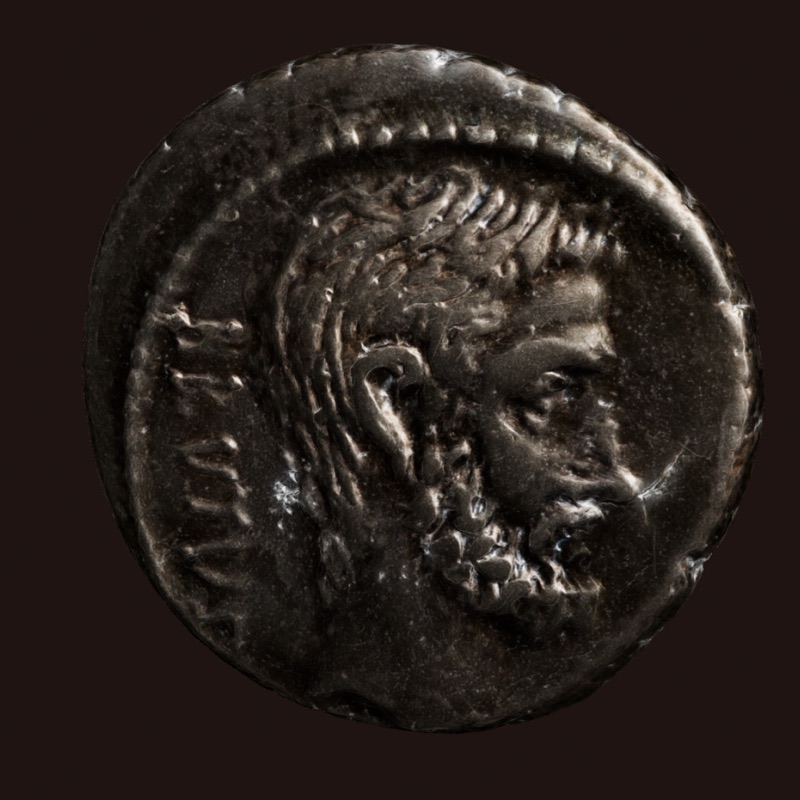
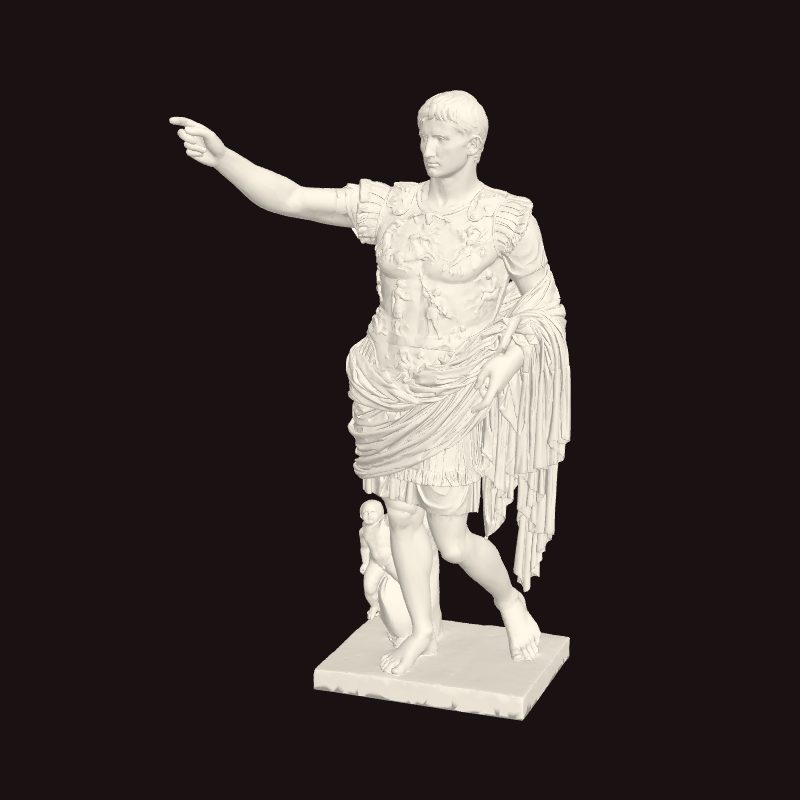 Cast
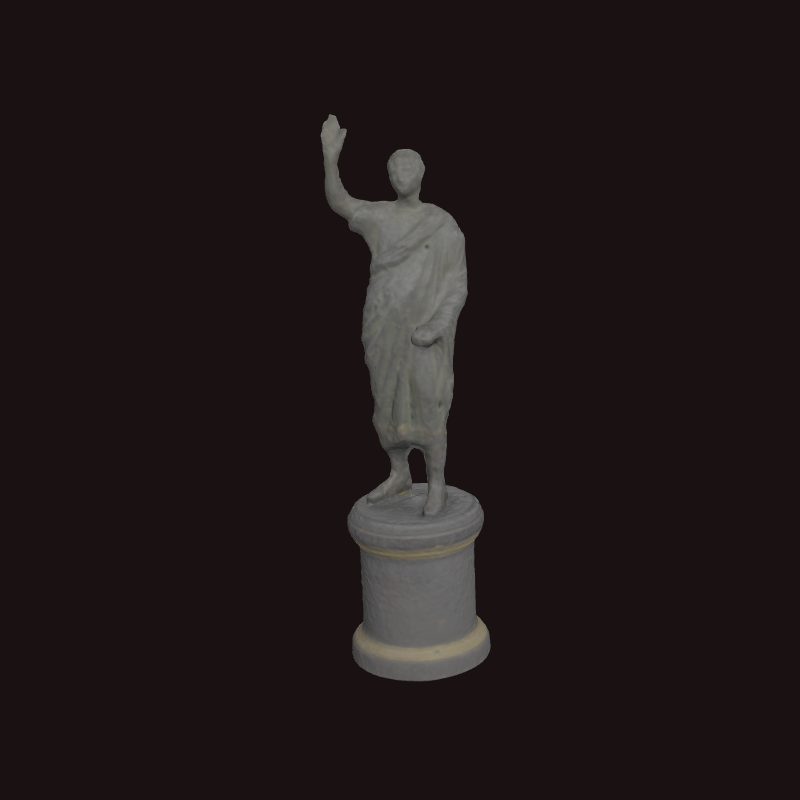
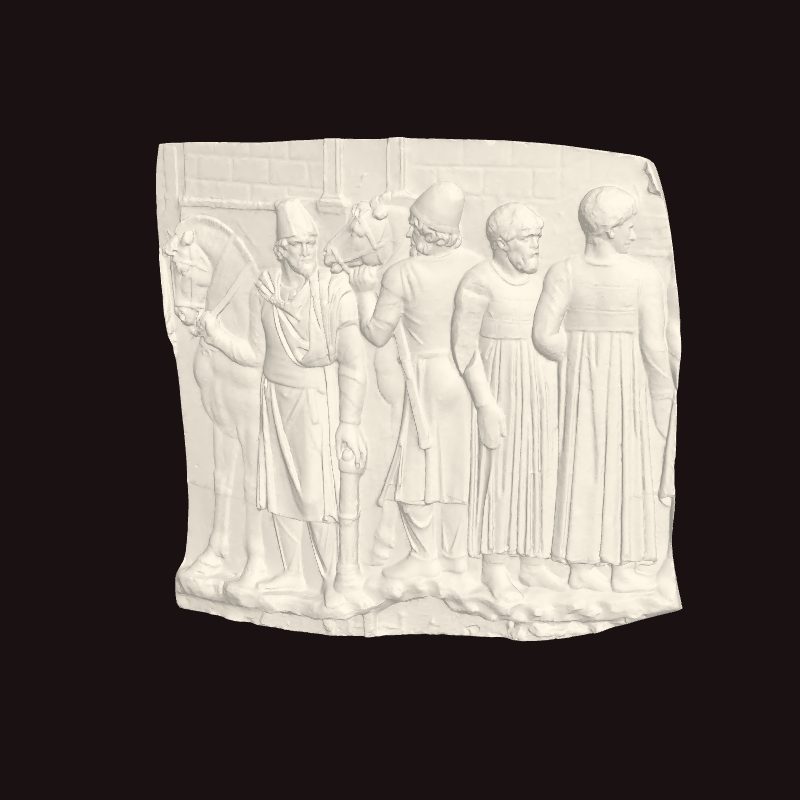 Cast
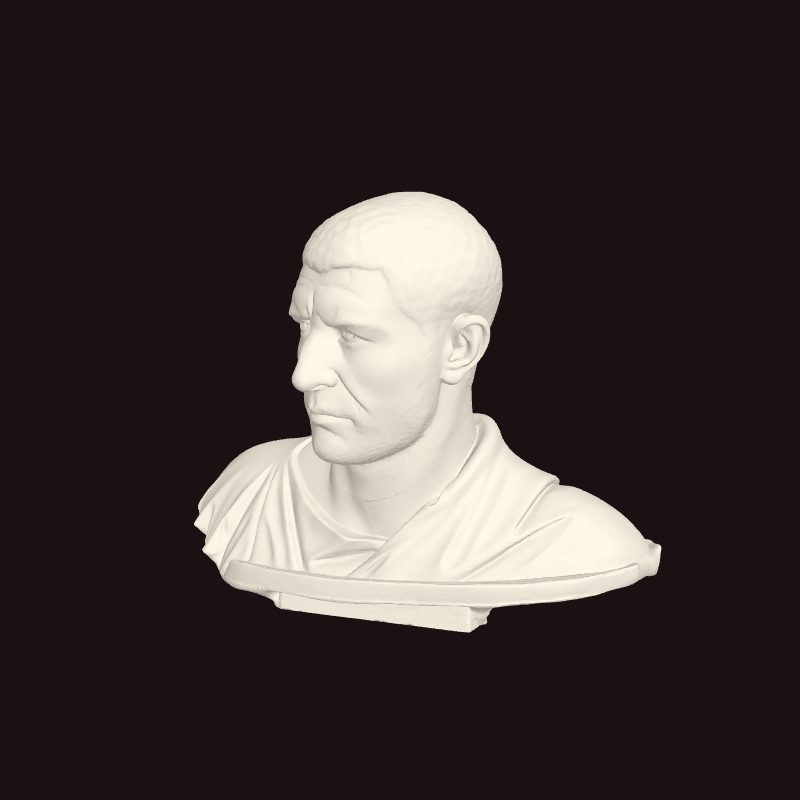 Cast
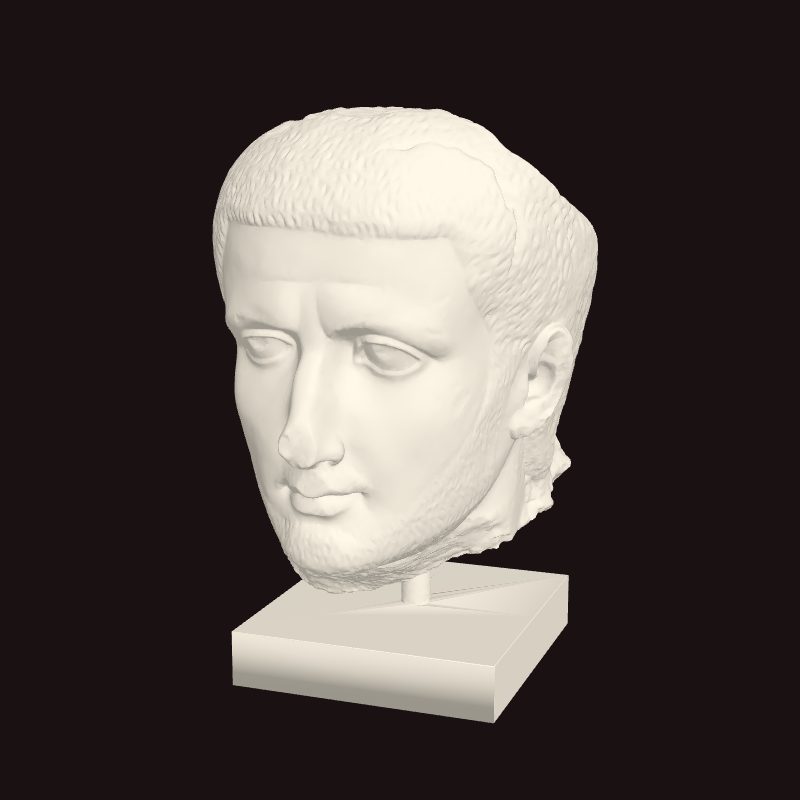 Cast
In numbers
Who chose the emperor?
Data: De Imperatoribus Romanis and sources, as cited
How each emperor came to power, from Augustus to Romulus Augustulus. Each mark is one accession, placed by year; its shape and colour say who made him emperor, as his entry in De Imperatoribus Romanis records it. 33,24,28
| Period | Born to it | Adopted heir | Chosen by the Senate | Proclaimed by soldiers | Revolt against a living emperor | Made colleague or installed by another ruler |
|---|---|---|---|---|---|---|
| The Principate | 8 | 7 | 3 | 8 | 14 | 1 |
| The Dominate | 4 | 0 | 0 | 4 | 2 | 6 |
| The divided empire | 3 | 0 | 0 | 1 | 2 | 6 |
Every accession as a table
- Born to it
- son or blood heir of the ruler before him, or born into the ruling house
- Adopted heir
- adopted as heir by the emperor before him
- Chosen by the Senate
- chosen or proclaimed by the Senate
- Proclaimed by soldiers
- proclaimed by soldiers or the praetorian guard, with no living rival on the throne
- Revolt against a living emperor
- seized power in a revolt, usually an army's, against a reigning emperor
- Made colleague or installed by another ruler
- made co-emperor by a reigning emperor without adoption, or installed by a general or the other court
| Year | Emperor | How | Note |
|---|---|---|---|
| 27 BCE | Augustus | Chosen by the Senate | Named Augustus by decree of the Senate in January 27 BCE, after winning the civil wars |
| 14 CE | Tiberius | Adopted heir | |
| 37 CE | Caligula | Born to it; also chosen by the senate | |
| 41 CE | Claudius | Proclaimed by soldiers; also born to it | Taken to the praetorian camp and acclaimed |
| 54 CE | Nero | Adopted heir; also proclaimed by soldiers | |
| 68 CE | Galba | Revolt against a living emperor | |
| 69 CE | Otho | Revolt against a living emperor | |
| 69 CE | Vitellius | Revolt against a living emperor | |
| 69 CE | Vespasian | Revolt against a living emperor | |
| 79 CE | Titus | Born to it | |
| 81 CE | Domitian | Born to it; also proclaimed by soldiers | |
| 98 CE | Trajan | Adopted heir | |
| 117 CE | Hadrian | Adopted heir; also proclaimed by soldiers | |
| 138 CE | Antoninus Pius | Adopted heir | |
| 161 CE | Marcus Aurelius | Adopted heir | |
| 161 CE | Lucius Verus | Made colleague or installed by another ruler | |
| 180 CE | Commodus | Born to it | Co-Augustus with his father from the age of 17 |
| 193 CE | Didius Julianus | Proclaimed by soldiers; also chosen by the senate | DIR: “The empire was sold” in the praetorian camp |
| 193 CE | Septimius Severus | Revolt against a living emperor | |
| 211 CE | Caracalla | Born to it | Already his father's co-ruler |
| 217 CE | Macrinus | Proclaimed by soldiers | |
| 218 CE | Elagabalus | Revolt against a living emperor | |
| 222 CE | Severus Alexander | Adopted heir; also proclaimed by soldiers | |
| 235 CE | Maximinus Thrax | Revolt against a living emperor | |
| 238 CE | Gordian I | Revolt against a living emperor | |
| 238 CE | Gordian II | Revolt against a living emperor; also chosen by the senate | |
| 238 CE | Pupienus and Balbinus | Chosen by the Senate | |
| 238 CE | Gordian III | Chosen by the Senate; also proclaimed by soldiers | |
| 249 CE | Decius | Revolt against a living emperor | |
| 251 CE | Trebonianus Gallus | Proclaimed by soldiers | |
| 253 CE | Aemilian | Revolt against a living emperor | |
| 253 CE | Valerian | Proclaimed by soldiers | |
| 253 CE | Gallienus | Born to it; also chosen by the senate | |
| 270 CE | Quintillus | Proclaimed by soldiers; also chosen by the senate | |
| 270 CE | Aurelian | Revolt against a living emperor | |
| 275 CE | Tacitus | Proclaimed by soldiers | DIR's entry on Probus says the Senate chose him instead |
| 276 CE | Florian | Proclaimed by soldiers | |
| 276 CE | Probus | Revolt against a living emperor | |
| 282 CE | Carus | Revolt against a living emperor | DIR: a revolt against Probus is the more probable account |
| 283 CE | Carinus | Born to it | |
| 283 CE | Numerian | Born to it | |
| 284 CE | Diocletian | Proclaimed by soldiers | |
| 286 CE | Maximian | Made colleague or installed by another ruler | |
| 305 CE | Constantius I | Made colleague or installed by another ruler | |
| 305 CE | Galerius | Made colleague or installed by another ruler | |
| 306 CE | Constantine I | Proclaimed by soldiers; also born to it | |
| 306 CE | Maxentius | Revolt against a living emperor | |
| 308 CE | Licinius | Made colleague or installed by another ruler | |
| 337 CE | Constantine II, Constantius II and Constans | Born to it; also proclaimed by soldiers | |
| 360 CE | Julian | Revolt against a living emperor | |
| 363 CE | Jovian | Proclaimed by soldiers | |
| 364 CE | Valens | Made colleague or installed by another ruler | |
| 367 CE | Gratian | Born to it | |
| 375 CE | Valentinian II | Proclaimed by soldiers; also born to it | |
| 379 CE | Theodosius I | Made colleague or installed by another ruler | |
| 383 CE | Arcadius | Born to it | |
| 393 CE | Honorius | Born to it | |
| 402 CE | Theodosius II | Born to it | Eastern court |
| 425 CE | Valentinian III | Born to it; also made colleague or installed by another ruler | Western court. Proclaimed at Rome after the usurper Johannes was defeated |
| 457 CE | Majorian | Proclaimed by soldiers | Western court. DIR: acclaimed “probably by the army” |
| 461 CE | Libius Severus | Made colleague or installed by another ruler | Western court. Proclaimed at the general Ricimer's instigation |
| 467 CE | Anthemius | Made colleague or installed by another ruler | Western court. Nominated by the eastern emperor Leo |
| 472 CE | Olybrius | Made colleague or installed by another ruler; also revolt against a living emperor | Western court. Named by Ricimer while Anthemius still lived |
| 473 CE | Glycerius | Made colleague or installed by another ruler | Western court. Made emperor by the general Gundobad |
| 474 CE | Julius Nepos | Made colleague or installed by another ruler | Western court. Appointed from Constantinople |
| 474 CE | Leo II | Born to it | Eastern court |
| 474 CE | Zeno | Made colleague or installed by another ruler | Eastern court |
| 475 CE | Basiliscus | Revolt against a living emperor | Eastern court |
| 475 CE | Romulus Augustulus | Revolt against a living emperor | Western court. Set up by his father, the general Orestes, who drove out Nepos |
- Marks, by Seshat polity:
- Roman Kingdom
- Roman Republic
- Middle Roman Republic
- Late Roman Republic
- Roman Empire - Principate
- Roman Empire - Dominate
- Western Roman Empire - Late Antiquity
- East Roman Empire
- Background bands, by phase:
- The kings
- Republic
- The Principate
- The Dominate
- The divided empire
| Seshat polity | Years | Value |
|---|---|---|
| Roman Kingdom | 716 BCE – 509 BCE (whole period) | 1,000 |
| Roman Republic | 500 BCE | 1,300 |
| Roman Republic | 400 BCE | 1,300 |
| Roman Republic | 300 BCE | 5,000–30,000 |
| Middle Roman Republic | 264 BCE – 133 BCE (whole period) | 130,000–730,000 |
| Late Roman Republic | 133 BCE – 31 BCE (whole period) | 1,950,000–3,500,000 |
| Roman Empire - Principate | 1 CE | 4,500,000 |
| Roman Empire - Principate | 100 CE | 5,800,000 |
| Roman Empire - Principate | 200 CE | 5,000,000 |
| Roman Empire - Principate | 275 CE | 4,750,000 |
| Roman Empire - Dominate | 285 CE – 394 CE (whole period) | 4,000,000–4,500,000 |
| Western Roman Empire - Late Antiquity | 400 CE | 2,000,000 |
| East Roman Empire | 400 CE | 1,300,000 |
| East Roman Empire | 500 CE | 1,300,000–1,500,000 |
| East Roman Empire | 600 CE | 1,400,000–1,900,000 |
| Seshat polity | Years | Value |
|---|---|---|
| Roman Kingdom | 716 BCE – 509 BCE (whole period) | 20,000–50,000 |
| Roman Republic | 500 BCE | 100,000 |
| Roman Republic | 400 BCE | 150,000 |
| Roman Republic | 300 BCE | 500,000–1,000,000 |
| Middle Roman Republic | 264 BCE – 133 BCE (whole period) | 3,500,000–4,000,000 |
| Late Roman Republic | 133 BCE – 31 BCE (whole period) | 25,000,000–35,000,000 |
| Roman Empire - Principate | 1 CE | 50,000,000 |
| Roman Empire - Principate | 100 CE | 50,000,000–60,000,000 |
| Roman Empire - Principate | 200 CE | 55,000,000–70,000,000 |
| Roman Empire - Dominate | 300 CE | 40,000,000–70,000,000 |
| East Roman Empire | 400 CE | 15,000,000 |
| East Roman Empire | 500 CE | 20,000,000 |
| East Roman Empire | 600 CE | 15,000,000–12,500,000 |
| Seshat polity | Years | Value |
|---|---|---|
| Roman Kingdom | 700 BCE | 4,000–16,000 |
| Roman Kingdom | 600 BCE | 14,250–57,000 |
| Roman Republic | 500 BCE | 30,000 |
| Roman Republic | 400 BCE | 30,000 |
| Roman Republic | 300 BCE | 50,000–60,000 |
| Middle Roman Republic | 200 BCE | 210,000 |
| Late Roman Republic | 133 BCE – 31 BCE (whole period) | 400,000 |
| Middle Roman Republic | 100 BCE | 400,000 |
| Roman Empire - Principate | 1 CE | 900,000–1,100,000 |
| Roman Empire - Principate | 100 CE | 1,000,000–1,200,000 |
| Roman Empire - Principate | 200 CE | 1,000,000 |
| Roman Empire - Dominate | 285 CE – 394 CE (whole period) | 800,000 |
| Western Roman Empire - Late Antiquity | 400 CE | 500,000 |
| East Roman Empire | 400 CE | 300,000 |
| East Roman Empire | 500 CE | 500,000 |
| East Roman Empire | 600 CE | 250,000–150,000 |
| Seshat polity | Years | Value |
|---|---|---|
| Roman Kingdom | 716 BCE – 509 BCE (whole period) | 3 |
| Roman Republic | 509 BCE – 264 BCE (whole period) | 3 |
| Middle Roman Republic | 264 BCE – 133 BCE (whole period) | 3–4 |
| Late Roman Republic | 133 BCE – 31 BCE (whole period) | 3–4 |
| Roman Empire - Principate | 31 BCE – 284 CE (whole period) | 8–9 |
| Roman Empire - Dominate | 285 CE – 394 CE (whole period) | 8–9 |
| Western Roman Empire - Late Antiquity | 395 CE – 476 CE (whole period) | 8 |
| East Roman Empire | 395 CE – 631 CE (whole period) | 8 |
| Seshat polity | Years | Value |
|---|---|---|
| Roman Kingdom | 716 BCE – 509 BCE (whole period) | 2–3 |
| Roman Republic | 500 BCE | 2 |
| Roman Republic | 400 BCE | 2 |
| Roman Republic | 300 BCE | 5 |
| Middle Roman Republic | 264 BCE – 133 BCE (whole period) | 5 |
| Late Roman Republic | 133 BCE – 31 BCE (whole period) | 7 |
| Roman Empire - Principate | 31 BCE – 284 CE (whole period) | 7 |
| Roman Empire - Dominate | 285 CE – 394 CE (whole period) | 7 |
| Western Roman Empire - Late Antiquity | 395 CE – 476 CE (whole period) | 6 |
| East Roman Empire | 395 CE – 631 CE (whole period) | 6 |
| Seshat polity | Years | Value |
|---|---|---|
| Roman Kingdom | 716 BCE – 509 BCE (whole period) | 4–5 |
| Roman Republic | 509 BCE – 264 BCE (whole period) | 6 |
| Middle Roman Republic | 264 BCE – 133 BCE (whole period) | 6 |
| Late Roman Republic | 133 BCE – 31 BCE (whole period) | 7 |
| Roman Empire - Principate | 31 BCE – 284 CE (whole period) | 9 |
| Roman Empire - Dominate | 285 CE – 394 CE (whole period) | 6–8 |
| Western Roman Empire - Late Antiquity | 395 CE – 476 CE (whole period) | 7–10 |
| East Roman Empire | 395 CE – 631 CE (whole period) | 9 |
Values as Seshat codes them: bands are ranges, dots single values, flat bars values given for a whole period, hatching “unknown”; from one Seshat polity to the next, marks alternate between a light tone and a darker one with dashed joining lines (the key above names each polity). Source: Seshat Global History Databank (Equinox-2020), CC BY 4.0.
Governance fingerprint
Seshat's institutional variables, phase by phase. Hover or focus a cell for the values and years.
- Present
- Inferred present
- Absent
- Inferred absent
- Unknown
- Not coded in Seshat
- Mixed: present in one Seshat polity or period, absent in another
The axes against Seshat
9 agree, 1 disagree, 1 mixed.
- Mixed The Dominate: claim to rule coded “Divine mandate”, which implies rulers legitimated by gods present; Seshat has it present in one polity or period and the opposite in another.
- Disagree The divided empire: The West: limits on power coded “None in practice”, which implies executive checked by government absent; Seshat has it present.
Show the 9 pairs that agree
- Agree The kings: claim to rule coded “Divine mandate”, which implies rulers legitimated by gods present; Seshat has it inferred present.
- Agree The kings: limits on power coded “Council”, which implies executive checked by government present; Seshat has it present.
- Agree Republic: who rules coded “Elected magistrates”, which implies rulers are gods absent; Seshat has it absent.
- Agree Republic: limits on power coded “Assembly or tribune veto”, which implies executive checked by government present; Seshat has it present.
- Agree Republic: claim to rule coded “Law”, which implies formal legal code present; Seshat has it present.
- Agree The Principate: claim to rule coded “Law”, which implies formal legal code present; Seshat has it present.
- Agree The Dominate: limits on power coded “None in practice”, which implies executive checked by government absent; Seshat has it absent.
- Agree The divided empire: The West: claim to rule coded “Divine mandate”, which implies rulers legitimated by gods present; Seshat has it present.
- Agree The divided empire: The East: claim to rule coded “Divine mandate”, which implies rulers legitimated by gods present; Seshat has it present.
Only pairs where an axis value on its own implies a Seshat variable are compared; the rest is not counted as disagreement.
Source: Seshat Global History Databank (Equinox-2020), CC BY 4.0.
Compare
| Axis | Rome | Greece: Athens | China: Shang | Achaemenid Persia: Cyrus and Cambyses |
|---|---|---|---|---|
| Who rules | King | Elected magistrates | King | Emperor |
| How chosen | Mixed | Mixed | Heredity | Conquest or coup |
| Limits on power | Council | Written law | None in practice | Custom and kin |
| Scale | City-state | City-state | Territorial state | Empire |
| Claim to rule | Divine mandate | Law | Divine mandate | Divine mandate |
| Who has a say | Unknown | Property owners | A narrow elite | A narrow elite |
Legacy
Later republican thinkers and constitution-makers looked back to Rome: its Senate, the tribunes' veto, and Polybius's picture of a constitution whose parts check one another. 11,15 Consensus
Walter Scheidel argues that what followed Rome mattered as much as Rome itself: after its demise, empire-building failed for good on European soil, and the resulting “competitive fragmentation between and within states” was, in his account, a precondition for Europe's later economic take-off. 64 Debated
The vocabulary of Roman rule outlived it. The title Augustus, first voted to Octavian by the Senate, passed to every later emperor, and the eastern court in Constantinople carried the Roman empire on for another thousand years. 24,33 Consensus
See also forms of government.
Sources
Bibliography
64 sources, numbered as cited: 11 papers · 21 books · 32 primary sources
- Book Smith, W. (ed.) (1875). A Dictionary of Greek and Roman Antiquities, s.v. Chronologia. John Murray; LacusCurtius.
- Primary Dionysius of Halicarnassus (trans. E. Cary) (7 BCE). Roman Antiquities, Book 1. Loeb Classical Library / LacusCurtius.
- Book Forsythe, G. (2005). A Critical History of Early Rome: From Prehistory to the First Punic War. University of California Press.
- Paper De Rossi, F. (2005). Review of G. Forsythe, A Critical History of Early Rome. Bryn Mawr Classical Review 2005.08.40.
- Primary Livy (trans. W. M. Roberts) (27 BCE). History of Rome, Book 1. Perseus Digital Library.
- Book Hülsen, C. (trans. J. B. Carter) (1906). The Roman Forum: Its History and Its Monuments, II.17: the Niger Lapis. LacusCurtius.
- Primary Cicero (trans. C. W. Keyes) (51 BCE). De re publica, Book 2. attalus.org.
- Book Cornell, T. J. (2012). The Beginnings of Rome: Italy and Rome from the Bronze Age to the Punic Wars (c.1000–264 BC). Routledge (first published 1995).
- Paper Forsythe, G. (1997). Review of T. J. Cornell, The Beginnings of Rome. Bryn Mawr Classical Review 1997.03.26.
- Primary Livy (trans. W. M. Roberts) (27 BCE). History of Rome, Books 2, 3 and 6 (the secession, the Twelve Tables, the Licinian laws). Perseus Digital Library.
- Book Lintott, A. (1999). The Constitution of the Roman Republic. Oxford University Press.
- Primary Gaius (161). Institutiones, Book 1. The Latin Library.
- Primary Suetonius (trans. J. C. Rolfe) (121). The Life of Julius Caesar. Loeb Classical Library / LacusCurtius.
- Primary Appian (trans. H. White) (150). The Civil Wars, Book 1. Loeb Classical Library / LacusCurtius.
- Primary Polybius (trans. W. R. Paton) (150 BCE). The Histories, Book VI. Loeb Classical Library / LacusCurtius.
- Primary Livy (trans. J. Lendering) (27 BCE). Periochae 11–15. Livius.org.
- Paper Sandberg, K. (2012). Review of K.-J. Hölkeskamp, Die Entstehung der Nobilität (2nd ed.). Bryn Mawr Classical Review 2012.09.30.
- Primary Plutarch (trans. B. Perrin) (100). Life of Tiberius Gracchus. Loeb Classical Library / LacusCurtius.
- Primary Sallust (trans. J. C. Rolfe) (41 BCE). The War with Jugurtha. Loeb Classical Library / LacusCurtius.
- Primary Appian (trans. H. White) (150). The Civil Wars, Book 4. Loeb Classical Library / LacusCurtius.
- Primary Cassius Dio (trans. E. Cary) (229). Roman History, Book 51. Loeb Classical Library / LacusCurtius.
- Book Millar, F. (1998). The Crowd in Rome in the Late Republic. University of Michigan Press.
- Book Mouritsen, H. (2017). Politics in the Roman Republic. Cambridge University Press.
- Primary Augustus (trans. F. W. Shipley) (14). Res Gestae Divi Augusti (Latin, Greek and English). Loeb Classical Library / LacusCurtius.
- Primary Cassius Dio (trans. E. Cary) (229). Roman History, Book 53. Loeb Classical Library / LacusCurtius.
- Book Talbert, R. J. A. (1984). The Senate of Imperial Rome. Princeton University Press.
- Paper Wallace-Hadrill, A. (1982). Civilis Princeps: Between Citizen and King. Journal of Roman Studies 72, 32–48.
- Book Cooley, A. E. (2009). Res Gestae Divi Augusti: Text, Translation, and Commentary. Cambridge University Press.
- Primary Tacitus (trans. J. Jackson) (117). Annals, Book 1. Loeb Classical Library / LacusCurtius.
- Primary Lex de imperio Vespasiani (CIL VI 930; trans. Johnson, Coleman-Norton and Bourne) (70). Law on the imperium of Vespasian. The Roman Law Library (Y. Lassard, A. Koptev).
- Paper Brunt, P. A. (1977). Lex de Imperio Vespasiani. Journal of Roman Studies 67, 95–116.
- Primary Tacitus (trans. C. H. Moore) (105). Histories, Book 1. Loeb Classical Library / LacusCurtius.
- Book De Imperatoribus Romanis (ed. M. DiMaio et al.) (2026). De Imperatoribus Romanis: An Online Encyclopedia of Roman Rulers and Their Families. Loyola University Chicago; read from the Internet Archive copy (the live site did not resolve on 15 Nov 2026). Peer-reviewed entries, one per ruler; the accession table links each row's entry.
- Book Ando, C. (2000). Imperial Ideology and Provincial Loyalty in the Roman Empire. University of California Press.
- Primary Cassius Dio (trans. E. Cary) (229). Roman History, Epitome of Book 78. Loeb Classical Library / LacusCurtius.
- Paper McCormick, M., Büntgen, U., Cane, M. A., et al. (2012). Climate Change during and after the Roman Empire: Reconstructing the Past from Scientific and Historical Evidence. Journal of Interdisciplinary History 43 (2), 169–220.
- Paper Harper, K. (2015). Pandemics and passages to late antiquity: rethinking the plague of c.249–270 described by Cyprian. Journal of Roman Archaeology 28, 223–260.
- Book Harper, K. (2018). The Fate of Rome: Climate, Disease, and the End of an Empire. Princeton University Press (first published 2017).
- Book Syme, R. (2002). The Roman revolution. Oxford University Press (first published 1939).
- Paper Haldon, J., Elton, H., Huebner, S. R., Izdebski, A., Mordechai, L., Newfield, T. P. (2018). Plagues, climate change, and the end of an empire: A response to Kyle Harper's The Fate of Rome (1): Climate. History Compass 16 (12).
- Paper Haldon, J., Elton, H., Huebner, S. R., Izdebski, A., Mordechai, L., Newfield, T. P. (2018). Plagues, climate change, and the end of an empire. A response to Kyle Harper's The Fate of Rome (2): Plagues and a crisis of empire. History Compass 16 (12).
- Paper Haldon, J., Elton, H., Huebner, S. R., Izdebski, A., Mordechai, L., Newfield, T. P. (2018). Plagues, climate change, and the end of an empire: A response to Kyle Harper's The Fate of Rome (3): Disease, agency, and collapse. History Compass 16 (12).
- Primary Aurelius Victor (361). Liber de Caesaribus. The Latin Library.
- Primary Lactantius (trans. W. Fletcher) (315). Of the Manner in Which the Persecutors Died (De mortibus persecutorum). Ante-Nicene Fathers 7 / New Advent.
- Primary Zosimus (trans. 1814) (500). New History, Book 2. tertullian.org.
- Primary Eutropius (trans. J. S. Watson) (369). Abridgement of Roman History (Breviarium), Books 7–10. tertullian.org.
- Book Kelly, C. (2006). Ruling the Later Roman Empire. Harvard University Press (print 2004).
- Paper Kulikowski, M. (2005). Review of C. Kelly, Ruling the Later Roman Empire. Bryn Mawr Classical Review 2005.02.12.
- Book Corcoran, S. (1996). Introduction. The Empire of the Tetrarchs: Imperial Pronouncements and Government AD 284–324, Oxford University Press.
- Primary Ammianus Marcellinus (trans. J. C. Rolfe) (390). Res Gestae, Book 26. Loeb Classical Library / LacusCurtius.
- Primary Ammianus Marcellinus (trans. J. C. Rolfe) (390). Res Gestae, Book 31. Loeb Classical Library / LacusCurtius.
- Book Oxford Classical Dictionary (2015). Principate. Oxford Research Encyclopedia of Classics.
- Book Bury, J. B. (1923). History of the Later Roman Empire, vol. I. Macmillan; LacusCurtius.
- Book Halsall, G. (2007). Barbarian Migrations and the Roman West, 376–568. Cambridge University Press.
- Primary Anonymus Valesianus, pars posterior (trans. J. C. Rolfe) (540). Excerpta Valesiana, part 2. Loeb Classical Library / LacusCurtius.
- Book Ward-Perkins, B. (2005). The Fall of Rome and the End of Civilization. Oxford University Press.
- Book Brown, P. (1971). The World of Late Antiquity, AD 150–750. Thames & Hudson.
- Primary Kelsey Museum of Archaeology, University of Michigan (54 BCE). Denarius of Marcus Junius Brutus (KM 1987.09.0007). Kelsey DiSKO 3D collection. Museum record and 3D scan; the 3D model is licensed CC BY 4.0.
- Primary Statens Museum for Kunst, Royal Cast Collection (2020). Augustus from Prima Porta (plaster cast KAS65). SMK Open.
- Primary The Hunt Museum, Limerick (2026). Bronze statuette of a togate man (HCM 155), 3D model. Zenodo record 18946900 (Share3D).
- Primary Statens Museum for Kunst, Royal Cast Collection (2020). Trajan's Column: embassy of barbarian peoples (plaster cast KAS81/11). SMK Open.
- Primary Statens Museum for Kunst, Royal Cast Collection (2020). Philip the Arab (plaster cast KAS2147). SMK Open.
- Primary Statens Museum for Kunst, Royal Cast Collection (2020). Bearded younger man, tetrarch (plaster cast KAS2252). SMK Open.
- Book Scheidel, W. (2019). Escape from Rome: The Failure of Empire and the Road to Prosperity. Princeton University Press.
Quantitative values from the Seshat Global History Databank (Equinox-2020), licensed CC BY 4.0. Dataset: Seshat Equinox Packaged Data (v.1). See also Seshat: The Global History Databank (Turchin et al. 2015).